

Knowing how to measure a table lamp shade is the skill that stands between a lamp that looks exactly right and one that looks perpetually unfinished. A shade that is too narrow sits like a cap on a generous base; a shade that is too wide overwhelms the lamp and the surface it sits on. Whether you are replacing a worn shade on a favourite ceramic table lamp, upgrading the shade on a brass table lamp, or selecting a shade for a new table lamp base you have just purchased, the measuring process is the same — and this guide walks you through it step by step. Browse our full table lamps collection for lamps that arrive with perfectly matched shades already fitted.
The Three Measurements Every Lamp Shade Requires
Every lampshade — regardless of shape or material — is defined by three measurements. You need all three to order a replacement with confidence.
STEP 1: TOP DIAMETER
Measure straight across the top of the shade from edge to edge at the widest point. For round shades, this is a single number; for square shades, measure both dimensions (width × depth).
STEP 2: BOTTOM DIAMETER
Measure straight across the bottom opening of the shade from edge to edge. This is the largest and most visible measurement — it determines how wide the shade looks in the room. For square shades, measure both dimensions.
STEP 3: SLANT HEIGHT
Measure along the slant of the shade from the top outer edge to the bottom outer edge — not straight down the center. This is the measurement that determines the visual height of the shade as seen from the side. A tape measure held flush against the shade surface gives the most accurate reading.
Record all three in inches. When shopping for a replacement shade, you will need to match or closely approximate all three to maintain the lamp’s original proportions. A 1–2 inch variation in bottom diameter is usually acceptable; a larger variation will noticeably alter the lamp’s silhouette.
Understanding Lamp Shade Fitter Types
Before ordering a shade, you also need to identify the fitter type — the hardware that connects the shade to the lamp socket. Using the wrong fitter type means the shade will not attach securely, regardless of whether the measurements are correct.
Spider Fitter
The most common fitter in the US. A spider fitter sits on a harp — a U-shaped wire frame that attaches to the lamp socket — and is secured by a saddle and finial. To use a spider fitter shade, your lamp must have a harp. Check whether your lamp base includes a harp before ordering. Most traditional table lamps, ceramic table lamps, and brass table lamps use spider fitter shades.
Uno Fitter
An uno fitter attaches directly to a threaded socket ring rather than a harp. This fitter type is common on industrial table lamps, swing-arm designs, and modern black table lamps with exposed hardware. The shade screws directly onto the socket, which eliminates the need for a harp and produces a sleeker overall silhouette.
Clip-On Fitter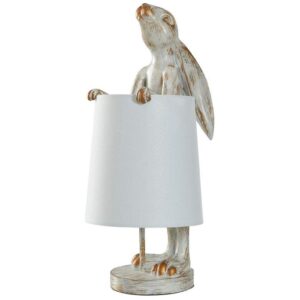
Clip-on fitters attach directly to the light bulb itself — no harp, no socket ring required. They are most commonly used with mini table lamps and accent lamps where the shade is small and lightweight. Clip-on shades are limited to low-wattage bulbs; the heat from a standard incandescent bulb at full wattage can damage the fitter over time. Always use warm-white LED bulbs — rated for 2700K–3000K — with clip-on shades to minimise heat.
How to Match Shade Size to Your Lamp Base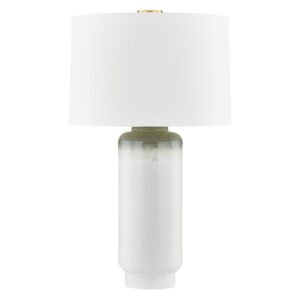
The proportional relationship between the shade and the base is what determines whether a lamp looks intentionally designed or accidentally assembled. The two most reliable rules:
- Width rule
- Height rule
- Base width rule
The Aged Brass Ceramic Meadow Ombre Table Lamp ($289–$439) and the Adobe Brown Chisel Ceramic Table Lamp ($269–$409) are both excellent examples of a base and shade in correct proportion — the shade width mirrors the base’s widest dimension without extending beyond it.
Shade Shapes: Which Suits Your Lamp Base?
Drum Shades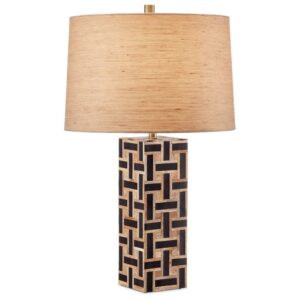
Drum shades have a top and bottom diameter that are equal or nearly equal, producing a cylindrical form that spreads light evenly in all directions. They suit modern black table lamps, wooden table lamps, and sculptural art deco table lamps with bold, geometric bases. A drum shade on a round marble table lamp creates a clean, gallery-like silhouette. The Aarna Black Table Lamp ($269–$409) pairs a matte black base with a drum shade that channels exactly this contemporary aesthetic.
Empire Shades
Empire shades taper from a smaller top to a significantly wider bottom, directing light primarily downward. They suit traditional table lamps, column-form brass table lamp bases, and crystal table lamp designs where an hourglass relationship between base and shade creates visual elegance. Empire shades are particularly effective when a reading or task function is needed — the tapered form concentrates light onto the surface below.
Bell Shades
Bell shades curve outward at the bottom before turning back in, producing a soft, rounded silhouette. They suit rustic table lamps, wicker and rattan base styles, and terracotta table lamps where the organic curve of the shade echoes the handmade quality of the base. Bell shades spread light more broadly than empire shades, making them a good ambient choice for living room and bedroom end table lamps.
Square and Rectangular Shades
Square and rectangular shades suit angular bases — black and gold table lamps in geometric art deco forms, glass base table lamps with a rectangular silhouette, and concrete table lamps with a boxy industrial form. When measuring a square shade, you need both the width and the depth (which may differ on a rectangular shade) for both the top and bottom openings.
Shade Materials and How They Affect Light
The material of the shade determines how light passes through it — and therefore the mood and color temperature of the light produced:
- White or cream fabric
- Colored or patterned fabric
- Stained glass
- Paper or rice paper
- Linen and natural weaves
Shade Size Quick Reference by Lamp Base Height
| LAMP BASE HEIGHT | SHADE BOTTOM DIAMETER | RECOMMENDED SLANT HEIGHT |
| 6–8 inches (mini base) | 8–10 inches | 4–6 inches |
| 10–12 inches (compact base) | 10–14 inches | 6–8 inches |
| 14–16 inches (standard base) | 14–18 inches | 9–11 inches |
| 18–22 inches (tall standard base) | 18–22 inches | 11–13 inches |
| 24+ inches (oversized/buffet base) | 22–26 inches | 13–16 inches |
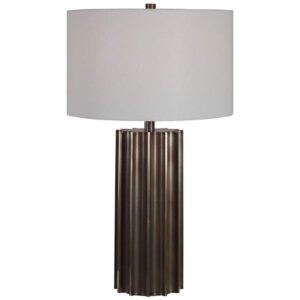
Every lamp in our table lamps collection arrives with a pre-matched shade in the correct proportion — saving you the measurement process entirely for your initial purchase. If you are replacing a shade on an existing Aged Gunmetal Fluted Table Lamp ($299–$449) or any other piece from our range, contact us at info@exoticdecor.us with your three measurements — top diameter, bottom diameter, and slant height — and we will advise on compatible options. For floor-standing alternatives, our floor lamps collection applies the same shade-proportion principles at a larger scale. For surface-free placement, our wall lamps collection is shade-fitted and ready to install.
Frequently Asked Questions About How To Measure A Table Lamp Shade
What are the three measurements I need for a lamp shade?
You need three measurements: (1) the top diameter — the width across the top opening; (2) the bottom diameter — the width across the bottom opening, which is the most visually prominent measurement; and (3) the slant height — the measurement along the sloping side of the shade from the top edge to the bottom edge. For square or rectangular shades, measure both the width and depth for both the top and bottom openings. Always measure in inches.
How do I know if a replacement shade will fit my lamp base?
First, identify the fitter type on your existing lamp — spider (needs a harp), uno (attaches to the socket ring), or clip-on (attaches to the bulb). Then check that the new shade bottom diameter is approximately equal to the base height, and that the slant height is roughly two-thirds of the base height. The shade should never extend wider than the base’s widest point when viewed from the front. A 1–2 inch variation is usually acceptable; anything larger will visually alter the lamp’s proportions.
Can I replace a Tiffany shade with a fabric shade?
Generally, no Tiffany style table lamp shades use a specific fitter and socket type designed for the weight and rigidity of art glass construction. A fabric drum or empire shade uses a different fitter (typically a spider fitter on a harp) and is much lighter. Attempting to use a fabric shade on a Tiffany lamp base may result in a poorly fitting or unstable attachment. If you want to change the style of an existing lamp, contact the retailer or a lighting specialist to confirm compatibility before purchasing.
What size shade should I use for a mini table lamp?
For a mini table lamp base that stands 6–8 inches tall, choose a shade with a bottom diameter of 8–10 inches and a slant height of 4–6 inches. Most clip-on shades are designed for mini and accent lamp use. Keep the shade lightweight — paper, thin fabric, or a small drum shade in linen — to avoid top-heaviness on a compact base. Heavier or oversized shades on a mini base create instability and look visually disproportionate.
Does shade color affect the light quality of my lamp?
Yes — significantly. A white or cream fabric shade produces the cleanest, brightest light output and is the most neutral choice. A darker or colored shade — such as a green, navy, or charcoal fabric — reduces light output and tints the ambient glow in that color. Sheer or loosely woven fabric shades allow light to diffuse through the material itself, creating a warm texture effect on surrounding walls. Stained glass shades on Tiffany lamps project rich, saturated color. For maximum brightness, choose a white shade with a light-reflective interior lining.
5 thoughts on “How to Measure a Table Lamp Shade (2026)”