

Table Lamp Shades Explained: Types, Materials, and How to Choose
Table lamp shades are the most underestimated component of a table lamp — and the easiest upgrade available. A lamp’s base gets all the attention at the point of purchase, but the shade determines the quality of light in the room, the visual weight of the fixture on the surface, and the atmosphere created when the lamp is switched on. Change the shade, and you effectively have a different lamp. At Exotic Decor USA, every lamp in our table lamps collection arrives pre-matched with a proportionally correct shade — but understanding how shades work gives you the confidence to evaluate that choice, upgrade it, or replace it when the time comes. This guide covers everything: shapes, materials, colors, and the rules for matching any shade to any base.
The Three Measurements That Define Every Lamp Shade
Every table lamp shade is defined by three measurements — always in inches. You need all three to order a replacement or evaluate a shade’s fit on a given base:
- Top diameter: The width across the top opening of the shade from edge to edge. On a drum shade, this equals the bottom diameter; on an empire or bell shade, it is significantly narrower than the bottom.
- Bottom diameter: The width across the bottom opening — the largest and most visually prominent measurement. This determines how wide the shade looks in the room and must not exceed the base’s widest point.
- Slant height: The measurement along the sloping side of the shade from the top outer edge to the bottom outer edge. This is the visible height of the shade as seen from the side, not the straight vertical drop from top to bottom.
The proportional rule: the bottom diameter should approximately equal the height of the lamp base, and the slant height should be roughly two-thirds of the base height. For full measurement guidance, read our table lamp shade measurement guide.
The 5 Major Table Lamp Shade Shapes
1. Drum Shade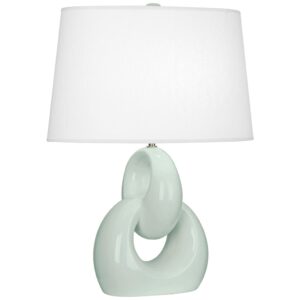
The drum shade has a top and bottom diameter that are equal or nearly equal, producing a clean cylindrical silhouette. It spreads light evenly in all directions — both up and down — creating a balanced ambient output with no directional preference. Drum shades suit modern black table lamps, ceramic table lamps with bold, rounded bases, and sculptural art deco table lamps where a clean geometric shade reinforces the base’s architectural quality. They are the most contemporary shade shape and work across minimalist, Scandinavian, and transitional rooms.
2. Empire Shade
The empire shade tapers from a significantly narrower top to a wider bottom, directing light primarily downward and outward. This makes it the most effective shade for reading lamps and task-adjacent table lamps. Empire shades suit traditional table lamps, brass table lamp column and urn forms, and crystal table lamps where an hourglass relationship between base and shade creates classical elegance. The empire shape is the dominant shade form in American traditional and transitional interior design.
3. Bell Shade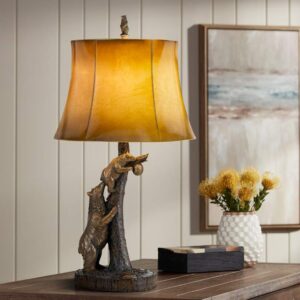
Bell shades curve outward from the top before turning back inward at the lower rim, producing a soft, rounded silhouette with a gentle flare. They diffuse light more broadly than empire shades and suit rustic table lamps, terracotta table lamps, and wicker table lamps where the organic curve of the shade echoes the handmade quality of the base. Bell shades suit traditional, farmhouse, and bohemian rooms where a softer, more relaxed aesthetic is the goal.
4. Square and Rectangular Shade
Square and rectangular table lamp shades create a deliberately angular silhouette that provides visual contrast with rounded bases or reinforces the geometry of angular ones. They suit black and gold table lamps in geometric art deco forms, glass base table lamps with a rectangular profile, and concrete table lamps with an industrial, boxy structure. Square shades are the most architectural shade choice — they read as intentional and considered rather than decorative.
5. Coolie and Pagoda Shade
The coolie shade is a wide, steeply tapered cone — a very narrow top with a dramatically wide bottom — associated with Asian-influenced and chinoiserie decorating traditions. It produces a focused pool of downward light with minimal upward projection. The japanese table lamp aesthetic uses a variation of this form — a flatter, more restrained taper in natural materials. Coolie and pagoda shades suit vintage mid-century table lamps and wooden table lamp bases in Japandi and global-influence rooms.
Table Lamp Shade Materials: What Each Does to the Light
| MATERIAL | LIGHT OUTPUT EFFECT | BEST LAMP STYLE | USE FOR |
| White / Cream Fabric | Full output, cleanest light. Transmits maximum lumens. | Any lamp style | Primary ambient and reading |
| Colored Fabric (green, blue, etc.) | Tints the light in that color. Absorbs 30–70% of output. | Brass, ceramic, traditional | Accent and mood lighting |
| Linen / Natural Weave | Warm diffusion through weave. Textured shadow effect on walls. | Rustic, rattan, wooden | Ambient — bohemian and organic rooms |
| Stained Glass (Tiffany) | Projects colored pools of light. Atmospheric, low white output. | Bronze, antique metal base | Accent — traditional and eclectic rooms |
| Paper / Washi | Very soft, even diffusion. Reduces peak brightness significantly. | Japanese lamp, wood base | Ambient — Japandi and wabi-sabi |
| Rattan / Woven | Directional gaps — dappled shadow and light through weave. | Rattan, coastal, wood base | Accent — bohemian and coastal rooms |
| Alabaster Stone | Warm amber diffusion through natural stone. Very low output. | Luxury and stone base lamps | Accent only — luxury bedrooms |
| Cage / Open Metal | Directional hard light. Shadow patterns from the cage structure. | Industrial, black metal base | Industrial and urban interiors |
Table Lamp Shade Colors: Matching Your Room
Neutral Shades: White, Cream, and Ivory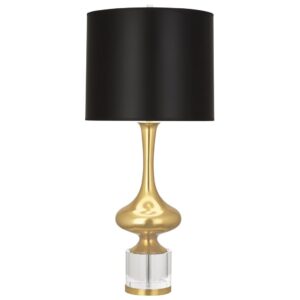
White and cream are the most universally appropriate shade colors — they deliver maximum light output, suit every base material, and work in every room aesthetic. A white drum shade on a ceramic table lamp is clean and contemporary; a cream empire shade on a brass table lamp is warm and traditional. When in doubt, a neutral shade is always correct.
Green Shades
Green lamp shades — particularly forest and hunter green — cast a warm, verdant glow associated with traditional libraries, banker’s lamps, and dark academic interiors. A green table lamp shade on a brass base is one of the most iconic pairings in American table lamp design. Table lamps green in sage and mint tones suit more contemporary and Japandi rooms, where the cooler green reads as organic rather than traditional. Our Mid Century Modern Green Ceramic Table Lamp ($339–$479) features a rich green ceramic base with a proportionally matched shade — one of our most searched shade-and-base combinations.
Colored Shades: Blue, Orange, and Warm Tones
A light blue table lamp shade produces a calming, coastal quality ideal for bedrooms and coastal rooms. An orange table lamp shade delivers an intensely warm retro-modern glow — associated with 1960s–1970s Scandinavian lamp design. Red table lamp shades are the most dramatic warm option — a deep crimson or burgundy shade in a traditional room creates an immediately rich, jewel-toned atmosphere. All colored shades reduce white light output and are best used as accent lamps alongside a brighter primary source.
How to Match a Lamp Shade to Any Base
Five rules that work every time: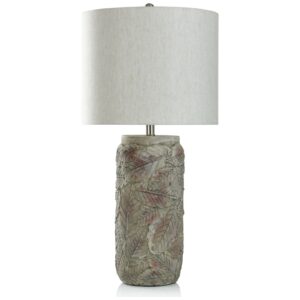
- Width rule
- Height rule
- Shape rule
- Material rule
- Color rule
For detailed instructions on measuring and replacing a shade, read our companion guide: How to measure a table lamp shade. For unusual and statement shade designs, read our unusual lamp shades guide.
Every lamp in our table lamps collection arrives with a pre-matched shade — proportionally correct and style-appropriate for the base. The Aged Brass Ceramic Meadow Ombre Table Lamp ($289–$439) is a strong example — its drum shade width exactly matches the ceramic base’s widest point, creating the proportional balance that makes the lamp look professionally designed. The Aarna Black Table Lamp ($269–$409) pairs a matte drum shade with a black ceramic column — a clean contemporary pairing that suits minimalist and Scandi rooms. Browse by style and material in our full lighting collection — every listing includes total height, shade dimensions, and shade material in the specifications.
Frequently Asked Questions About Table Lamp Shades
What are the different types of table lamp shades?
The five main table lamp shade shapes are: drum (equal top and bottom diameters — even, all-direction light); empire (narrow top, wide bottom — directional downward light for reading); bell (curved outward then inward at the rim — soft diffused ambient light); square and rectangular (angular geometric — architectural and contemporary); and coolie or pagoda (steeply tapered wide cone — focused downward pool of light). Each shape produces a different quality and direction of light and suits different lamp base styles and room aesthetics.
Does the color of a lamp shade affect the light?
Yes — significantly. A white or cream shade delivers maximum light output with no color tinting. A colored shade tints the output in its color: a green shade casts a warm green glow; a blue shade casts a cool blue tint; an orange shade produces a warm, saturated retro glow. Darker and more saturated shades absorb 30–70% of the bulb’s output, reducing effective brightness considerably. Use colored shades as accent lamps alongside a brighter primary light source, or step up one lumen tier to compensate for the absorption.
How do I know if a lamp shade is the right size for my base?
Apply the proportional rule: the bottom shade diameter should approximately equal the height of the lamp base. The slant height should be roughly two-thirds of the base height. The shade should never extend wider than the base’s widest point — a shade wider than the base looks top-heavy and unstable. Measure the base height, multiply by 0.67 for the shade slant height target, and use the base height figure as the shade bottom diameter starting point. A 1–2 inch variation in bottom diameter is acceptable.
What lamp shade material produces the best reading light?
A white or cream fabric shade — in cotton, linen, or polyester — produces the best light for reading. These materials deliver the full lumen output of the bulb into the room with minimal absorption and no color tinting. A white linen shade on an empire-form base provides the most directional and cleanest reading light. Avoid dark fabric, rattan, paper, and stained glass shades for primary reading lamps — all of these reduce output or produce colored light that is less comfortable for sustained reading.