

Navy Blue Ceramic Table Lamps: Bold, Moody, and Beautiful in Any Room
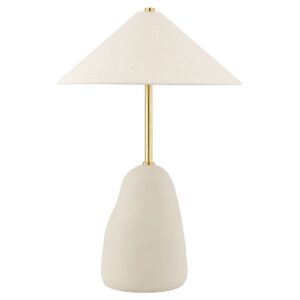
Blue ceramic table lamps at the deep end of the spectrum — navy, cobalt, sapphire, and midnight blue — make a different kind of statement than their pale cousins, where a light blue lamp creates calm and airiness, a navy or cobalt lamp creates presence, depth, and the chromatic intensity that turns a well-designed room into a striking one. This is the lamp color that interior designers reach for when they want to add drama without adding another pattern or texture to a room. At Exotic Decor USA, our blue ceramic table lamps collection includes several deep blue options that capture the full spectrum from midnight navy to saturated cobalt. This guide covers where each works best and what to pair them with.
Navy, Cobalt, and Sapphire: Understanding the Dark Blue Lamp Spectrum
Not all dark blue lamps create the same atmosphere. The specific shade of blue — and its glaze quality — determines whether the lamp reads as moody, maritime, jewel-toned, or dramatically formal:
- Navy blue
- Cobalt blue
- Sapphire and midnight blue
Where Dark Blue and Cobalt Lamps Work Best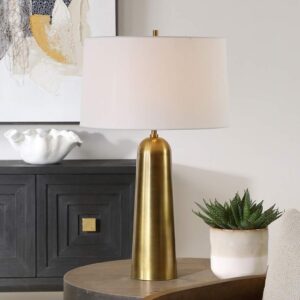
The Dark Academic Study or Library
No room type is more naturally suited to a blue ceramic table lamp in navy or cobalt than a study or library with dark walls, warm wood furniture, and an intellectual aesthetic. The blue lamp base against dark green walls, walnut bookcases, and leather upholstery creates the jewel-toned, layered quality that defines the dark academic interior. A brass table lamp base with a deep navy ceramic body sits at the intersection of the traditional table lamps and the dramatic — the kind of piece that belonged on a Victorian writing desk as easily as it sits on a contemporary credenza.
The Jewel-Toned Living Room
In a living room built around jewel tones — emerald green velvet, sapphire upholstery, terracotta, or deep mustard — a cobalt blue ceramic table lamp participates in the chromatic richness rather than disrupting it. The blue provides the cool anchor that balances warm jewel tones — sapphire beside emerald, cobalt beside mustard. On console table lamps or sideboard position, the cobalt lamp creates a focal point that draws the eye through the space from the entrance.
For the living room sideboard: a pair of buffet table lamps in cobalt flanking a large mirror doubles the blue visually — the mirror reflection creates the impression of four cobalt buffet table lamps, amplifying the color dramatically without requiring any additional pieces.
The Moody or Dark-Walled Bedroom
A bedroom with dark walls — navy, forest green, deep charcoal, or burgundy — creates a dramatic, enveloping quality that light lamps fight against rather than complement. A blue ceramic table lamp in cobalt or navy against navy walls creates a tonal monochrome effect — the lamp blends with the wall at a distance, creating depth, while its material texture (hand-glazed ceramic, natural brass hardware) provides the close-up detail that rewards looking. Against dark green walls, the blue lamp creates the jewel-on-jewel complementary color relationship that maximalists seek.
For a dark-walled bedroom: choose a cobalt lamp with warm gold or brass hardware — the warm metallic frames the cool blue, preventing the composition from reading as cold or monolithic. A white or cream drum shade provides the light-gathering surface that prevents the lamp from being entirely absorbed into the dark room.
The Maximalist or Eclectic Living Room
In an eclectic or maximalist living room where multiple strong colors coexist, a navy or cobalt blue ceramic table lamp anchors the composition’s blue note — whatever other blues appear in the room (a blue-patterned rug, a blue throw, a blue artwork) the lamp provides the three-dimensional, lit expression of that color family. It is the version of blue that glows rather than lies flat, which gives it visual authority in a room with significant competition for the eye.
How to Pair a Dark Blue Table Lamp: Room-by-Room Reference
| ROOM / CONTEXT | WALL / PALETTE | BLUE LAMP TYPE | SHADE | ACCENT |
| Dark academic study | Forest green/dark walnut | Navy ceramic with brass | Cream empire | Leather books, brass desk items |
| Jewel-toned living room | Emerald / deep ochre | Cobalt glass or ceramic | White drum | Gold tray, terracotta vessels |
| Dark-walled bedroom | Navy/charcoal | Cobalt ceramic + brass hardware | White drum or cream | Warm linen, gold picture frames |
| Maximalist room | Multi-color / pattern-rich | Deep navy or midnight blue | White or black | Brass candlestick, books |
| Traditional library | Warm ivory / warm brown | Navy or cobalt with gold | Cream empire | Globe, leather chair, antique print |
| Neutral room statement | White/warm cream | Single cobalt lamp as focal point | White drum | Natural wood tray, white vessels |
The Three Rules for Pairing Dark Blue Lamps
- Warm metallic hardware is non-negotiable
- White or cream shade — always
- One blue lamp per composition
Browse all blue ceramic table lamps at Exotic Decor USA — from pale sea glass to deep cobalt across 689+ artisan styles. For the pale blue end of the spectrum, read our companion guide: light blue table lamp ideas. For a full bedroom lamp color framework, read our table lamp color guide. Email info@exoticdecor.us Monday–Saturday, 10:00 AM–8:00 PM for personalized navy and cobalt lamp styling advice.
Frequently Asked Questions About Navy and Cobalt Blue Lamps
What rooms suit a navy or cobalt blue table lamp?
Navy and cobalt blue table lamps suit rooms built around rich, saturated palettes — dark academic studies with forest green walls and dark walnut furniture, jewel-toned living rooms with emerald or deep mustard upholstery, dark-walled bedrooms, and maximalist or eclectic rooms where multiple strong colors coexist. They also work powerfully as a single chromatic statement in an otherwise neutral room — a single cobalt lamp on a cream console creates immediate visual interest. They are rarely the right choice for pale, airy, or Scandinavian-minimal rooms where the strong blue would feel intrusive.
What hardware color goes with a navy blue lamp?
Warm metallic hardware — brass table lamp, gold, antique gold, or copper — is the correct pairing for any navy or cobalt lamp base. The warm metallic provides temperature contrast that makes the cool blue read as jewel-toned rather than cold. Silver, chrome, or nickel hardware beside a dark blue base creates a cool, flat composition that lacks the visual tension that makes deep blue lamps dramatic. The most classic and consistently effective pairing is cobalt blue ceramic table lamps or glass beside natural brass hardware.
Does a dark blue table lamp work in a small room?
Yes — with deliberate placement. A single navy or cobalt lamp in a small room creates a focused chromatic statement that actually makes the room feel more intentionally designed rather than smaller. The key: use one lamp, not two, in a small room with a strong blue. Position it as the single chromatic note against a neutral or white backdrop — the contrast makes the room feel considered rather than compressed. Avoid pairing a dark blue lamp with other strong colors in a small room; the combination in a tight space creates visual noise rather than designed richness.
What shade color should I use with a navy blue lamp?
White or cream is almost always the correct shade color for a navy or cobalt lamp base. A white drum or empire shade provides the light-gathering surface that gives the dark blue base the contrast it needs to read as striking rather than heavy. A dark shade on a dark base creates too much visual weight for most room contexts. The only exception is a deliberate monochrome arrangement — a black shade on a midnight navy lamp in a dark room — which can work in a highly styled, fashion-forward interior but requires the rest of the room to be calibrated to absorb this level of visual intensity.