

Metal Table Lamps for Side Tables: Styling and Sizing Tips
Metal table lamps — in aged brass, bronze, copper, matte black, gunmetal, and polished silver — are the most versatile side table lamp category in the American living room. Where ceramic lamps lead with color and texture, and glass lamps lead with light effects, a metal table lamps base leads with the quiet authority of warm or cool metallic presence. Metal coordinates with every furniture finish, suits every aesthetic from traditional to industrial, and spans every price point in the category. At Exotic Decor USA, our metal and brass side table lamps collection covers all five finish families. This guide covers sizing, styling, and which metal finish belongs in which room.
The Five Metal Lamp Finish Families
1. Aged Brass: The Warmest Traditional Metal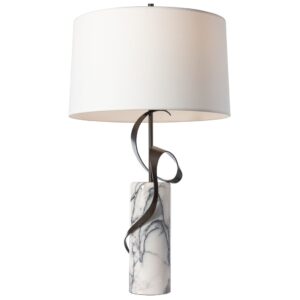
Aged or antique brass is the most purchased metal lamp finish in the American traditional and transitional living room. The warm golden-brown patina of aged brass reads across the room without demanding attention — it communicates craftsmanship, warmth, and historical authority in the same way antique furniture hardware does. A brass table lamp in aged finish beside a cream sofa and walnut side table creates the most resolved warm-neutral living room lamp arrangement available.
The Aged Brass Metal Modern Accent Table Lamp ($339–$509) — tall architectural column in aged brass — is the premium expression of this finish in our collection. The slim profile reads as modern; the aged finish reads as heritage. This combination makes it one of the most broadly appealing metal table lamps in the category for transitional living rooms.
Also from our collection: the Aged Brass Dome Adjustable Desk Lamp ($269–$409) — adjustable arm, aged brass hardware, dome shade — for side tables in reading corners where the lamp must serve both the ambient and task lighting roles.
2. Bronze: The Deeper, Richer Metal
A bronze table lamps finish — darker and warmer than brass, with a red-brown undertone — suits formal traditional and Mediterranean-influenced living rooms where richer, heavier material tones are the design language. Bronze table lamps coordinate naturally with mahogany, cherry, and dark walnut furniture — all warm-toned wood species with similar red-brown depth. A bronze metal lamp beside a dark wood side table and cream upholstery creates the most classically formal traditional side table arrangement.
3. Matte Black and Black Metal: The Contemporary Standard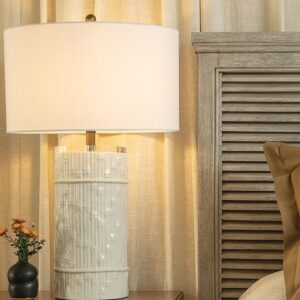
The modern black table lamp and black metal table lamp category is the dominant choice for contemporary, minimalist, and industrial living rooms. Matte black hardware creates a clean, architectural quality — the lamp column reads as a structural element rather than a decorative one, which suits rooms where restraint and material honesty are the design intention. A black table lamps pair on identical side tables flanking a grey or white sofa is the most-purchased contemporary living room lamp configuration in America.
For the industrial table lamps aesthetic specifically, a cage-shade black metal lamp or an exposed-filament design on a side table beside a leather sofa and weathered wood surface creates the raw urban quality that industrial style requires.
4. Copper: The Warmest Accent Metal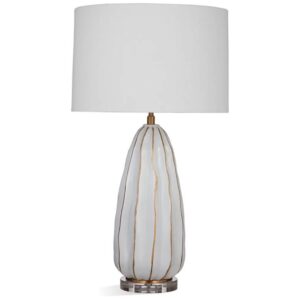
A copper table lamp — in polished copper, brushed copper, or aged verdigris — is among the warmest lamp finishes available. Copper’s warm reddish-orange tone creates an immediate cozy quality on any side table. In a living room with terracotta accents, warm orange textiles, or earthy clay tones, a copper table lamp on the side table echoes the room’s warm palette. In an otherwise neutral room, a copper lamp creates the single warmest accent point — a controlled chromatic statement.
Copper coordinates with: terracotta table lamp, adjacent ceramic objects, warm wood furniture, rust and amber textiles, and cream or natural linen shades. Copper does not coordinate with cool-toned rooms (grey walls, cool blue accents) — in cool palettes, aged brass or gunmetal is the more compatible warm metallic choice.
5. Silver, Gunmetal, and Chrome: The Cool Metallic Family
A silver table lamp or silver table lamps pair in polished silver or brushed silver finish suits cool-toned contemporary living rooms — grey palettes, cool white furniture, concrete or marble surfaces. Gunmetal (dark grey metallic) bridges the black and silver families — it is darker than silver but warmer than matte black, and it suits both contemporary and transitional rooms where neither extreme reads correctly. Chrome finish suits the most modern and industrial-minimalist rooms, where the bright reflective quality is a deliberate design choice.
Side Table Lamp Sizing: The Complete Guide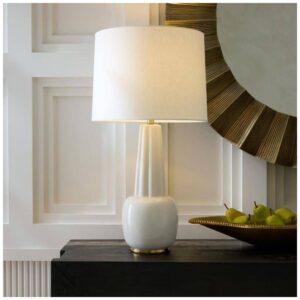
The most common side table lamp mistake is choosing based on the lamp in isolation rather than in relation to the table and room. These sizing rules apply to every side table lamp, regardless of material:
- Height rule: The shade bottom of any side table lamp should be at 58–62 inches from the floor. Measure your side table height, then calculate: 58 – table height = minimum lamp height. On a 24-inch table: minimum lamp height is 34 inches. On a 28-inch table: minimum lamp height is 30 inches.
- Width rule: The shade bottom diameter should not exceed the side table width. On a 20-inch-wide side table, the shade bottom diameter should be 16 inches or less. This prevents shade overhang and the top-heavy visual instability that it creates.
- Scale rule: The lamp’s visual weight must be appropriate to the side table’s visual weight. A delicate wire-base lamp beside a chunky reclaimed-wood side table reads as mismatched. A heavy
- Object rule: The lamp should not be the only object on a side table. One or two supporting objects — smaller and lower than the lamp — complete the surface composition. A
Side Table Lamp Sizing Quick Reference
| TABLE HEIGHT | TABLE WIDTH | LAMP HEIGHT | MAX SHADE DIA. | TYPICAL PLACEMENT |
| 20″ | 12–16″ | 38–42″ | 10″ | Small round side table, coffee table adjacent |
| 22″ | 14–18″ | 36–40″ | 12″ | Low-profile side table, MCM furniture |
| 24″ | 18–22″ | 32–36″ | 14″ | Standard sofa end table, most common |
| 26″ | 20–24″ | 30–34″ | 16″ | Standard-to-tall end table, transitional room |
| 28″ | 22–28″ | 28–32″ | 18″ | Tall side table, high sofa arm height |
| 30″ | 24–36″ | 26–30″ | 20″ | Console-height side table, beside armchair |
Browse our full metal and side table lamps range at Exotic Decor USA. For placement rules see our console table lamps placement guide and for complete living room guidance our cordless table lamps for living room pillar guide. Email info@exoticdecor.us Monday–Saturday, 10:00 AM–8:00 PM for personalized metal lamp recommendations.
Frequently Asked Questions About Metal Side Table Lamps
What is the best metal finish for a table lamp in a living room?
The best metal finish depends on the room’s hardware palette. For warm traditional and transitional living rooms: aged or antique brass. For formal traditional rooms: bronze or dark brass. For contemporary and minimalist rooms: matte black or gunmetal. For industrial spaces: matte black or raw iron. For cool-toned rooms with grey palettes: brushed silver or gunmetal. The rule: match the lamp hardware finish to the majority of the other metal in the room — door handles, furniture hardware, curtain rods, and picture frames. Matching these three finishes across a room creates visual coherence without requiring identical pieces.
How do I know if a table lamp is the right size for my side table?
Check three measurements: first, the shade bottom should be at 58 to 62 inches from the floor when the lamp is on the table (calculate: 58 minus table height equals minimum lamp height). Second, the shade bottom diameter should not exceed the table width — on a 20-inch-wide table, maximum shade bottom diameter is 16 to 18 inches. Third, the lamp’s visual weight should match the table’s — a delicate table needs a delicate lamp base; a chunky table needs a substantial base. Oversized lamps on small tables tip; undersized lamps on large tables disappear.
Should side table lamps match in a living room?
Side table lamps on the sofa end tables should be identical — same base, same shade, same height. This bilateral symmetry is the standard for formal and transitional rooms. For other side table positions (reading corner, accent table), the lamp can differ in specific design but must share the same hardware finish and shade color as the sofa end lamps. The rule: hardware finish and shade color are the two elements that must be consistent; base design and exact height can vary by position.
What shade color works best with a brass or bronze metal table lamp?
Cream or ivory fabric shades complement brass and bronze table lamps best — the warm amber tone of cream fabric echoes the warm metallic of the lamp hardware, creating a resolved warm-on-warm composition. White drum shades also work with aged brass and create a slightly more contemporary result — the contrast between warm metal base and clean white shade reads as transitional. Avoid colored or dark shades on brass and bronze lamps in living rooms — the colored shade competes with the metallic warmth of the base rather than complementing it.