

Crystal Table Lamps and Dining Room Lighting: A Complete Style Guide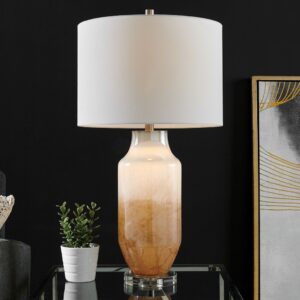
Crystal table lamps on a dining room sideboard or buffet are among the most elegant lighting arrangements in American home design. Where the overhead pendant or chandelier provides the primary dining table illumination, the sideboard lamp pair provides the secondary light that transforms a dining room from a space where you eat into a room where you dine. The difference between the two is almost entirely a function of lighting: ambient warmth, shadow depth, and the quality of light that falls on the faces around the table. At Exotic Decor USA, our dining room table lamps collection includes crystal, brass, gold, and luxury lamp formats suited to every dining room aesthetic. This guide covers where every lamp goes and why.
The Dining Room Lighting Hierarchy
A well-lit dining room uses three layers of light — each serving a different function and operating at a different height in the room. Understanding all three is essential to choosing the correct table lamp:
- Layer 1 — Overhead pendant or chandelier: The primary light source. Positioned above the dining table, it provides functional light for the meal and defines the room’s architectural center. This light layer is the most powerful and the least flexible — it is fixed, directional, and always present. A
- Layer 2 — Sideboard or buffet lamps: The secondary light layer. Positioned on the sideboard, buffet, or credenza against the wall, these
- Layer 3 — Accent lamps: If the dining room has a bar cart, a drinks cabinet, or a secondary surface, a small
Why Crystal Table Lamps Belong in the Dining Room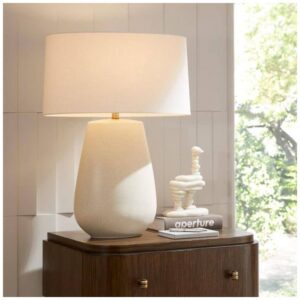
The dining room is the one space in an American home where formal, precious, and historically significant decorative objects are routinely used. Fine china, silver flatware, crystal glassware — the dining room is where luxury materials are deployed for their intended purpose. A crystal table lamp on the sideboard belongs in this context: the cut crystal base refracts the warm overhead light from the chandelier, creating prismatic light effects on the wall behind the sideboard that echo the prismatic quality of crystal glassware on the table.
An antique crystal table lamps pair in period-appropriate hand-cut crystal creates the most resolved traditional dining room sideboard arrangement available — the crystal base is a material that has been used in formal tabletop settings since the eighteenth century, and its presence on the sideboard communicates exactly the same level of design intention as a crystal decanter on the drinks tray.
Dining Room Table Lamp Styles by Aesthetic
Traditional and Formal Dining Rooms
The most classic dining room arrangement: a matched pair of crystal table lamp or brass table lamp buffet lamps flanking a large gilt-framed mirror above a dark wood sideboard. Cream empire shades throughout. The overhead fixture is a crystal chandelier. The sideboard lamp pair provides the warm fill light that the chandelier’s downward emphasis cannot deliver. Traditional table lamps in this setting signal material authority and design permanence.
The Possini Euro Zeus Gold Leaf Modern Table Lamps ($319–$479) — gold leaf sculptural resin, paired, flanking a mirror — creates the most glamorous traditional dining room sideboard arrangement in our collection. The gold leaf echoes the gilt mirror frame; the matched pair creates the formal bilateral composition.
Tiffany and Artistic Traditional Dining Rooms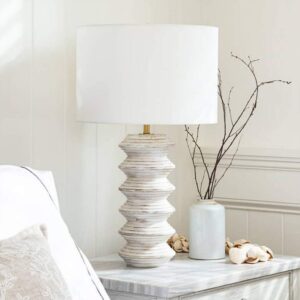
The tiffany table lamps and stained glass table lamp category occupies a specific and beloved position in the American dining room. A tiffany style table lamp on a sideboard projects warm amber, green, and ruby light onto the dining room wall — colored light that creates an intimate restaurant-adjacent atmosphere. This is the restaurant table lamps effect: warm, low, colored light from the walls that makes the dining table feel enclosed and special rather than openly illuminated.
A table tiffany style lamps format on the sideboard beside a mahogany credenza in a warm traditional dining room with amber walls creates the most evocative American traditional dining room atmosphere available in a single lamp choice.
Contemporary and Transitional Dining Rooms
Contemporary dining rooms call for gold table lamps in brushed or polished gold, black and gold table lamp formats, or a marble table lamps pair in white Carrara on a sideboard. A modern black table lamp pair in matte ceramic with white drum shades flanking a round frameless mirror creates the cleanest contemporary dining room sideboard arrangement — graphic, resolved, without the decorative detail of traditional crystal or brass.
The Aged Gunmetal Fluted Table Lamp ($299–$449) — architectural gunmetal fluted column — creates an immediate contemporary sideboard statement. Pair with a white drum shade and a dark-framed rectangular mirror for the most resolved contemporary dining room sideboard arrangement.
Industrial and Eclectic Dining Rooms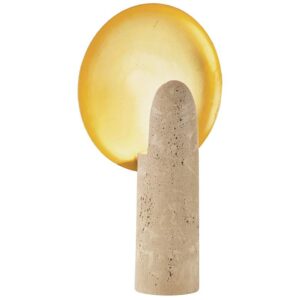
An industrial table lamps format — cage shade, exposed hardware, raw iron or black metal — on a sideboard beside a weathered wood credenza creates the loft-adjacent dining room atmosphere. A lantern table lamp in aged iron beside a distressed wood credenza and a rectangular mirror in a raw metal frame echoes the industrial material palette while providing the warm light that makes any dining space feel welcoming.
For an eclectic dining room: an art deco table lamp in geometric brass beside a mid-century credenza creates a period-crossing arrangement that is coherent as long as the hardware finish (all brass, all dark metal) is consistent across the lamp and the credenza hardware.
Dining Room Table Lamp and Lighting Style Reference
| DINING STYLE | OVERHEAD FIXTURE | SIDEBOARD LAMP | ATMOSPHERE |
| Traditional / Formal | Crystal chandelier | Crystal or brass buffet lamp pair | Formal, precious, prestigious |
| Artistic Traditional | Tiffany pendant or glass fixture | Tiffany stained glass table lamp | Warm, artistic, intimate restaurant |
| Contemporary / Transitional | Drum pendant or linear fixture | Gold, marble, or black table lamp | Clean, resolved, design-forward |
| Industrial / Eclectic | Cage pendant or metal fixture | Lantern or industrial cage lamp | Raw, urban, layered |
| Coastal / Organic | Rattan or linen pendant | Rattan or pale ceramic lamp pair | Natural, airy, casual elegance |
| Maximalist / Glamour | Grand crystal or antique fixture | Gold leaf or luxury lamp pair | Theatrical, opulent, statement |
Browse our full dining room and sideboard table lamps at Exotic Decor USA. For the complete living room lamp guide, see our cordless table lamps for living room pillar guide. Email info@exoticdecor.us Monday–Saturday, 10:00 AM–8:00 PM for personalized dining room lamp recommendations.
Frequently Asked Questions About Dining Room Table Lamps
Do you need table lamps in a dining room?
Not strictly, but a dining room with only an overhead pendant or chandelier has a single-source lighting plan that creates a functional but atmospherically flat room. Table lamps on the sideboard or buffet add the secondary light layer that transforms the dining table atmosphere: warm fill light from the walls that softens overhead harshness, creates depth through shadow, and makes the dining table feel enclosed and special. The difference between eating and dining is largely this ambient secondary light layer.
Where should table lamps go in a dining room?
The primary position for dining room table lamps is the sideboard or buffet credenza against the wall opposite or adjacent to the dining table. A matched pair flanking a mirror is the standard arrangement. The lamps should be at sideboard height plus lamp height — typically putting the shade bottom at 60 to 68 inches from the floor, which places the light at the upper fill zone of the room rather than the seated eye level used for sofa lamps. A second position, if the room has a drinks cabinet or bar cart, is a small accent lamp at that position.
What size table lamps should go on a dining room sideboard?
Dining room sideboard lamps should be taller than standard end table lamps — 28 to 36 inches total height — because the sideboard surface is often 30 to 32 inches high (taller than a typical living room end table) and the lamp must relate proportionally to the mirror above it. The buffet table lamp format — slim column at 30 to 36 inches — is designed specifically for this height range. The shade diameter should not exceed one-third of the sideboard width per lamp, leaving sufficient central space for the mirror and vignette objects between them.
Should dining room table lamps match the dining room chandelier?
Dining room sideboard lamps and the overhead chandelier should coordinate, but do not need to be identical. The minimum coordination requirement: same metallic hardware finish (both brass, both black, both chrome) and the same warm-white bulb color temperature (2700K throughout). An aged brass chandelier with aged brass buffet lamps creates the most resolved traditional dining room. A black metal pendant with matte black sideboard lamps creates the most resolved contemporary arrangement. Mixing warm brass overhead with cool black sideboard lamps requires a deliberate contrasting strategy to read as designed rather than assembled.