

Wall Sculpture Art: How to Choose, Style, and Hang It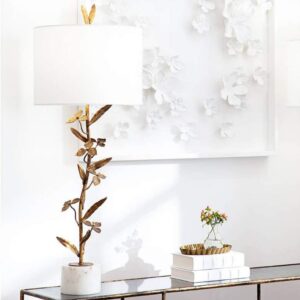
Walk into any room that feels genuinely finished and look at the walls. There is almost always something three-dimensional on them. Not a print, not a canvas — something that casts a shadow, catches the afternoon light differently than it does at dusk, something that occupies real depth in the room. Wall sculpture art is what separates a room that looks designed from one that looks like it was furnished. And it is more accessible, more versatile, and more impactful than most people expect when they start looking for sculptural table and floor lamps for the home.
This guide covers everything you need to know about wall sculpture art: the main types, how to choose the right scale, how to hang it safely, and how to style it room by room. The goal is to give you a clear, practical framework for making a choice that transforms the space rather than just filling a wall. A table lamp from Exotic Decor USA beside a well-placed wall sculpture is one of the most complete interior design moves you can make — and this guide shows you exactly how to get it right.
IMAGE BLOCK 1 | Product: Aged Brass Metal Modern Accent Table Lamp | Image URL: [VERIFY LIVE — open product page and copy og:image src] | Link to: https://exoticdecor.us/product/aged-brass-metal-modern-accent-table-lamp/ | Alt: “Wall sculpture art — aged brass column lamp beside an abstract metal wall panel in a contemporary living room”
What Wall Sculpture Art Does That Prints and Canvases Cannot
A flat print on a wall is a window — it creates the illusion of depth without actually occupying any. Wall sculpture art is different in kind. It occupies real three-dimensional space between the wall surface and the room, and that space becomes part of its content. A metal relief panel throws actual shadows. A carved wood piece creates tactile texture that changes appearance under different lighting conditions. A layered resin panel shifts visually as you move across the room. These are qualities that no canvas, however masterfully painted, can replicate. The Aged Brass and Ceramic Affogato Table Lamp ($289-$439) is proof: a lamp with a sculptural base changes a corner the way wall art changes a feature wall.
Wall sculpture art also solves a problem that prints often create: the mismatch between the object and the wall material behind it. A white-walled living room with a canvas print looks expected; the same room with a large copper relief panel looks considered. The third dimension is what does it. When you add depth to a wall, you add architecture to the room — and that is a quality that makes a space feel built rather than assembled. Choose your Mid Century Modern Green Ceramic Table Lamp ($339-$479) on the same principle: the sculptural base contributes architecture the way the wall piece does.
The Five Main Types of Wall Sculpture Art
Metal wall sculpture is the most durable and the most light-interactive category. A copper or brass piece reflects warm light back into the room. An iron or steel piece absorbs it. The difference in material creates dramatically different room effects from the same form, which is why metal wall art is the most widely available and most widely used type. It pairs naturally with metal lamp hardware — so a Aarna Black Table Lamp ($269-$409) in aged brass beside a brass wall relief creates a resolved, coordinated composition.
Wood wall sculpture is the warmest and most organic category — reclaimed pieces, hand-carved panels, geometric laser-cut forms, and live-edge compositions. Wood wall art suits farmhouse, organic modern, Japandi, and coastal interiors better than any other material because it introduces the same warmth as the wood furniture below it. A Adorno Natural and Beige Table Lamp ($239-$359) with a warm ceramic or natural base beside a wood wall composition creates the kind of layered organic palette that interior designers build entire rooms around.
Three-dimensional wall panels — textured plaster, layered geometric shapes, modular pieces — create depth and shadow without the weight of a carved or cast piece. They are often the most affordable entry point to wall sculpture art, and when they are well chosen, they read as sophisticated and considered. Abstract resin and mixed media pieces are the newest category: resin poured into dimensional forms, sometimes incorporating dried botanicals, pigmented layers, or embedded materials. These suit contemporary and maximalist rooms equally. A Cobalt and Natural Brass Table Lamp ($269-$409) with a bold sculptural base complement this type of wall art by adding vertical dimension to what is primarily a horizontal composition.
How to Choose the Right Scale
Scale is the single most important decision in wall sculpture art, and the one most often gotten wrong. The rule is simple: the artwork should span 2/3 to 3/4 of the width of the furniture below it. Above a 90-inch sofa, the art should be 60 to 68 inches wide — either as a single piece or a grouped composition. Below that and the art looks like an afterthought. Above that, and it starts to dominate the furniture rather than complement it. The Possini Euro Zeus Gold Leaf Modern Table Lamp ($319-$479) follows the same logic: choose its scale in relation to the end table width, not the room size.
Height matters as much as width. The standard rule is to center wall art at 57 to 60 inches from the floor — a measurement calibrated to human eye level whether standing or sitting. For art above a sofa or console, the bottom of the piece should be 8 to 12 inches above the furniture top. This creates visual connection between the furniture and the wall without making the art look like it is floating disconnectedly above the room. The Aged Gunmetal Fluted Table Lamp ($299-$449) on the end table should sit between 24 and 30 inches tall — proportioned to the table height, not the ceiling.
For gallery wall compositions — groups of three to nine pieces in a coordinated arrangement — the overall grouping should follow the same 2/3 rule as a single piece. Plan the arrangement on the floor before hanging. Start with the largest piece in the center, then build outward with smaller pieces at varied heights. Leave 2 to 4 inches between pieces in the grouping — tight enough that they read as a composition, not as a random scatter. The Aged Brass Ceramic Granite Table Lamp ($239-$359) placed beside the gallery wall should be sized to the grouping’s total height, not to any single piece within it.
Room by Room: Where Wall Sculpture Art Works Best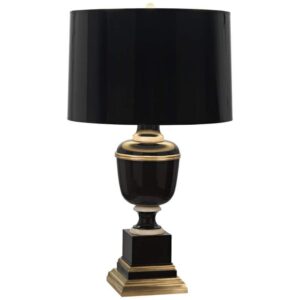
The living room is the primary location for wall sculpture art — specifically, the feature wall behind or opposite the sofa. The sofa wall is the most viewed surface in the room; whatever hangs there defines the room’s visual character. A large single metal or mixed media piece above the sofa is always the strongest choice. For rooms with a fireplace as the feature wall, wall art above the mantel works equally well. The Aged Brass Ceramic Meadow Ombre Table Lamp ($289-$439) on the end table creates the bookend that completes the sofa-art composition on each side.
The bedroom calls for softer, more organic forms in wall sculpture art — wood, woven fiber, gentle abstract shapes rather than hard geometric metal. The horizontal wall above the headboard is the primary position: the art should span 2/3 of the headboard width. Horizontal compositions read as restful in a bedroom; vertical or asymmetric pieces read as active and are better suited to a hallway or office. A High Hammock Pale Blue Ceramic Table Lamp ($319-$479) on each nightstand flanking the headboard wall art completes the composition with warm ambient light.
Hallways deserve more consideration than they usually get. A narrow hallway needs vertical wall sculpture pieces — tall, slim forms that emphasize height and keep the sightline moving forward. An entry hallway is the first interior impression of the entire home; a well-chosen wall sculpture piece here sets the tone for every room that follows. The Bronze Accent Table Lamp ($239-$359) on a small console table or shelf below a hallway wall sculpture creates the three-dimensional entry composition that makes visitors stop.
The dining room’s primary wall sculpture position is above the sideboard or buffet — the equivalent of the living room’s sofa wall. The art should span 2/3 of the sideboard width, and a pair of table lamps flanking it creates the symmetrical composition that suits formal and transitional dining rooms. The Adeline Five Gold Flowers Bloom Metal Table Lamp ($269-$409) with its five-petal gold form is precisely the kind of sculptural lamp base that doubles as art in a dining room sideboard composition.
How Sculptural Lamps Complete a Wall Art Composition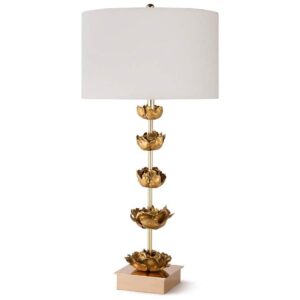
Wall sculpture art operates in two dimensions: the picture plane and the depth of the piece itself. A sculptural table or floor lamp beside the wall art adds the third dimension — height and vertical form rising from the floor or surface level. The combination is more than the sum of its parts: the lamp creates the foreground visual element, and the wall art creates the background, and together they form a layered composition that a room without both can never achieve. The Aged Brass Dome Adjustable Desk Lamp ($269-$409) with its adjustable arm is the most flexible choice for adapting this composition to different wall art sizes and positions.
The most important rule when pairing lamps with wall art: coordinate the lamp hardware finish with the dominant metal or material in the wall sculpture. Brass wall art calls for a lamp with brass hardware. Iron or dark metal wall art calls for a matte black or gunmetal lamp. Wood wall art calls for a lamp with a warm ceramic or natural base. The Aged Black Table Lamp ($269-$409) in matte black is the natural complement to iron or dark metal wall pieces — the material language is consistent throughout the composition.
Where to Find Wall Sculpture Art for Your Home
Exotic Decor USA carries the sculptural lamp collection that completes any wall art composition. Browse our table lamps collection for the full range of artisan sculptural table lamps in brass, ceramic, metal, and glass — every piece designed to work as art in its own right, not just as a light source.
For the floor lamp that anchors the composition from a standing position, our floor lamps collection includes architecturally resolved designs that suit any wall art scale from a small console piece to a large living room feature wall. Email info@exoticdecor.us Monday through Saturday, 10:00 AM to 8:00 PM, for personalized styling advice. Shipping via DHL, FedEx, and UPS with 1 to 2 days processing and 6 to 12 days standard delivery.
Frequently Asked Questions
What is wall sculpture art?
Wall sculpture art is any three-dimensional artwork mounted on a wall surface. Unlike flat prints or canvases, wall sculpture occupies real depth between the wall and the room, casting actual shadows and creating physical texture. Materials include metal, wood, resin, glass, plaster, ceramic, and mixed media. The defining quality is dimensionality: the piece has measurable depth beyond the flat wall surface, creating shadow and visual interest that changes with the room’s light.
How do you hang heavy wall sculpture?
Heavy metal or stone wall sculpture — anything over 15 pounds — should be hung with wall anchors rated for the piece’s weight. Locate wall studs with a stud finder and use lag screws for pieces over 25 pounds. For pieces without a traditional hanging wire or hook, a French cleat system distributes weight across the wall and allows for adjustment. Never rely on standard picture hooks for sculpture pieces; the three-dimensional weight creates different leverage forces than a flat canvas.
What size wall sculpture should I get?
The standard rule: wall art should span 2/3 to 3/4 of the width of the furniture below it. Above a 90-inch sofa, choose art that is 60 to 68 inches wide. Center the piece at 57 to 60 inches from the floor, with the bottom of the piece 8 to 12 inches above the furniture top. For empty walls without furniture below, choose a piece that fills 60 to 70 percent of the available wall width.
Can I mix different types of wall sculpture in one room?
Yes, with one condition: choose a consistent material palette. Metal, wood, and resin pieces can coexist in the same room if they share a color temperature — warm metals with warm wood, cool iron with cool glass. Avoid mixing warm brass wall art with cool steel pieces in the same wall composition. Gallery walls work best with pieces that share either material or tonal consistency, even if their forms and styles vary.
How do sculptural table lamps complement wall art?
A sculptural table lamp beside wall art creates a layered composition: the lamp provides vertical foreground form while the wall art provides horizontal background depth. The key is matching the lamp hardware finish to the dominant metal in the wall art. Brass wall sculpture pairs with brass lamp hardware; dark metal wall art pairs with matte black or gunmetal lamps; wood wall sculpture pairs with a lamp in warm ceramic or a natural material base.