

3D Wall Art Sculptures: Adding Depth and Dimension to Any Room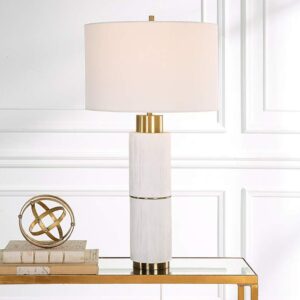
A flat print on a wall is a window. A 3D wall art sculptures are a shelf — one that reaches into the room and demands to be noticed. The whole point of dimensional wall art is that it does not flatten to a surface; it occupies the space between the wall and the room, casting shadows that shift with the light and creating a visual presence that changes depending on where you stand. This is the quality that makes 3D wall art sculptures one of the most impactful home decor choices available, and one of the most underused. Pair it with the right sculptural table lamp and the whole wall becomes a composition in depth.
The terminology can be confusing. “3D wall art sculptures” covers everything from a piece of paper folded into a shadow box to a 12-inch-deep cast iron relief. What they all share is measurable depth: the piece occupies real space between the wall and the room. The Aged Brass Metal Modern Accent Table Lamp ($339-$509) illustrates this principle in lamp form: its architectural column form occupies real three-dimensional space in the room, contributing depth and vertical form alongside the wall art behind it.
What Makes Wall Art Truly Three-Dimensional
Relief depth is the key variable. A piece with 1/4 inch of relief — barely protruding from its backing — creates subtle shadow lines that read as texture from a distance. A piece with 2 to 4 inches of depth creates significant shadow zones that change visibly throughout the day as the light angle shifts. A piece with 6 or more inches of depth starts to function as a sculptural object rather than a wall-mounted piece. The Aged Gunmetal Fluted Table Lamp ($299-$449) with its fluted vertical channels demonstrates this principle: each channel creates a shadow line that shifts as the ambient light changes.
Shadow play is the reason dimensional wall art is more engaging than flat art over long periods. A flat canvas looks the same in the morning and the evening. A 3D metal wall art sculpture panel with significant relief casts different shadows at noon — when overhead light catches the tops of the raised elements — than at dusk — when lamplight from below catches their undersides. This constantly shifting visual content is why 3D wall art sculptures holds attention in a way that flat art does not. The Aarna Black Table Lamp ($269-$409) beside the wall art generates exactly this lamplight-from-below condition.
The Main Types of 3D Wall Sculpture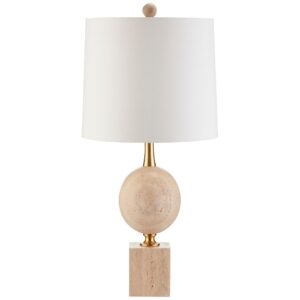
Metal wall sculpture relief panels are the most durable and light-interactive category of 3D wall art sculptures. Cast bronze, pressed copper, laser-cut steel, and welded iron pieces can be hung at any depth and last indefinitely without deterioration. The metal surface participates actively in the room’s light, creating the ever-changing shadow play that makes dimensional wall art so compelling. The Cobalt and Natural Brass Table Lamp ($269-$409) in cobalt glass and brass demonstrates the same light-interactive quality in the room’s horizontal dimension.
Layered wood compositions — panels of wood at different depths, sometimes combined with metal or fabric elements — create the organic equivalent of metal relief art. The warm material quality of wood makes layered compositions particularly well-suited to living rooms and bedrooms where the goal is warmth and comfort rather than drama. The Adorno Natural and Beige Table Lamp ($239-$359) in warm beige ceramic is the natural lamp companion for the layered wood wall sculptures composition in an organic modern or farmhouse room.
Geometric and modular 3D panels — systems of individual tiles or modules that create an overall pattern across the wall — offer the most flexibility. They can be installed at any scale, from a small accent panel to a full feature wall, and reconfigured without rehung. Many modular systems use interlocking pieces that require no tools after the initial mounting rail is installed. The Adobe Brown Chisel Ceramic Table Lamp ($269-$409) in its three-segment organic form shares the modular compositional quality of a well-designed 3D panel system.
Resin and cast pieces combine dimensional depth with translucency or color saturation that no metal or wood piece can match. A backlit resin panel with embedded botanicals creates a glow-from-within quality that approaches light sculpture. Mixed media pieces — fabric, resin, metal, and natural materials combined in a single piece — are the most contemporary category and suit maximalist and eclectic rooms. The Possini Euro Zeus Gold Leaf Modern Table Lamp ($319-$479) with its gold leaf texture creates the same mixed-material richness in lamp form.
Scale and Placement for 3D Wall Art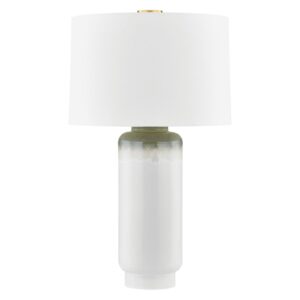
The 2/3 rule applies to 3D wall art sculptures just as it does to flat art: the piece or composition should span 2/3 of the furniture width below it. But 3D art has an additional consideration: depth clearance. A piece with significant relief needs to be placed where people will not walk into it. Above a sofa or console is the safest position — the furniture below creates a buffer zone. In a hallway where people pass within arm’s reach, limit the wall art depth to 2 inches or less to avoid collisions. The Aged Brass Ceramic Meadow Ombre Table Lamp ($289-$439) on the console below provides the forward visual anchor that prevents the wall composition from looking top-heavy.
For gallery wall groupings of multiple 3D pieces, vary the depth as well as the scale. A composition where every piece has the same relief depth reads as monotonous; one where pieces range from 1/4 inch to 4 inches of depth creates a physically dynamic composition where your eye moves through the different depth planes. Use the deepest piece as the focal center and build outward with shallower pieces. The Aged Brass Ceramic Granite Table Lamp ($239-$359) with its historic granite-like texture pairs with textured dimensional wall art by creating a matching tactile quality in the room’s horizontal plane.
Browse our table lamps collection for sculptural lamp bases that complete a 3D wall art composition. For the full context on wall sculpture art, see our
Frequently Asked Questions
What is 3D wall art sculpture?
3D wall art sculptures are any artwork mounted on a wall that has measurable depth beyond the flat wall surface. Unlike prints or canvases, dimensional wall art occupies real space between the wall and the room, creating physical texture and shadows that change with the light. Types include metal relief panels, layered wood compositions, geometric modular panels, cast resin pieces, and mixed media works.
How do you hang 3D wall art?
For pieces with relief depth under 2 inches, standard picture hooks or wall anchors work for most weights. For pieces with significant depth (3 inches or more), the leverage forces increase substantially with weight — use French cleats or dedicated hardware rated for the piece’s actual weight plus a 3x safety factor. For modular 3D systems, install the mounting rail into wall studs first, then attach the modules.
Can 3D wall art work in small rooms?
Yes, but choose shallower-relief pieces and place them above furniture rather than in narrow circulation paths. A 3D panel above a sofa is safe at any depth; a 3D panel in a hallway should be limited to 2 inches of depth to avoid collision. Modular systems work well in small rooms because they can be scaled to fill only a portion of the wall.
What material is best for 3D wall art?
Metal is the most durable, wood is the warmest, and resin offers the most design versatility. Metal suits contemporary, industrial, and transitional rooms. Wood suits farmhouse, organic modern, and Japandi spaces. Resin works across most styles and allows translucent effects that metal and wood cannot achieve. For outdoor-adjacent spaces, metal or resin are better choices than wood.