
Animal Sculpture: A Complete Guide to Styles, Materials, and Artists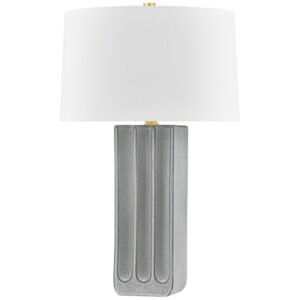
Animal sculpture has been part of human culture longer than almost any other art form. The cave paintings at Lascaux are 17,000 years old and they are animal paintings. The earliest known figurines — carved mammoths and lions made during the Upper Paleolithic — are animal sculptures. The horse bronzes of ancient Greece and the sacred animal figures of ancient Egypt are animal sculptures. There is something about capturing the form of a living creature in stone, metal, or clay that appears to be a fundamental human impulse, and it has not diminished. Today, sculpture appears in every interior style from formal traditional to contemporary minimalist, and it works precisely because animals carry meaning that abstract forms cannot. An eagle communicates power and freedom without any explanation. A horse communicates strength and movement. A cat communicates independence and grace. When you choose a sculpture for your home, you are choosing a narrative — and the right sculptural table lamp from Exotic Decor USA beside it creates the complete composition.
This guide covers everything you need to know about sculpture: the main materials and what they mean for the room, the most popular animal subjects and their styling implications, how to choose the right scale, and how to display wildlife art in a way that makes it feel designed rather than accumulated. A well-chosen sculpture alongside a well-chosen sculptural floor lamp is one of the fastest ways to transform a room from furnished to finished.
Why Animal Sculpture Works in Any Interior Style
Animal sculptures are unusual among decorative objects in that they carry their own narrative content. You do not need to explain a bronze horse to a visitor — they already know what it means. This pre-loaded meaning is what makes sculpture such a powerful interior design tool: the object does interpretive work that a vase or an abstract form cannot. It creates an immediate sense of place and personality without requiring the viewer to do any intellectual work. A room with a well-placed sculpture feels inhabited — someone made a specific choice about what kind of energy this space should have, and that choice is visible. The Aged Brass and Ceramic Affogato Table Lamp ($289–$439) beside it provides the warm lamplight that reveals the sculptural form at its most expressive.
Animal sculpture also has a quality that most other decorative objects lack: it is universally legible. An abstract sculpture requires cultural or artistic context to be appreciated fully. A sculpture does not. A child and an adult experience a bronze bear differently — one sees an exciting wild creature, the other might see a symbol of strength or wilderness — but both responses are valid and both are immediate. This universal accessibility makes sculpture the most democratic category of fine art, which is part of why it appears across every culture and every price point from museum collections to home decor. The Adorno Natural and Beige Table Lamp ($239–$359) in natural beige creates the warm, unhurried light that suits a room built around accessible, human-scale art.
Materials for Animal Sculpture: What Each One Communicates
Bronze is the material most associated with sculpture in the Western tradition — and for good reason. Bronze casting using the lost-wax process captures surface detail that no other casting method matches: individual feathers, muscle definition, the texture of fur, the translucency of an insect wing. A cast bronze sculpture of a horse or eagle also carries the weight of historical association — it references the equestrian bronzes of ancient Rome, the wildlife bronzes of Frederic Remington, the animal sculptures that have populated public squares for centuries. Bronze animal sculpture suits traditional, transitional, and formal contemporary rooms. The Bronze Accent Table Lamp ($239–$359) in warm bronze accent creates the exact material continuity that ties a bronze sculpture to the lamp beside it.
Ceramic and clay animal sculpture covers an enormous stylistic range — from delicate hand-painted porcelain figures in the European tradition to chunky earthenware animals from African and Latin American folk traditions to precise contemporary ceramic forms with matte or textured glazes. Clay sculpture is the most tactile of all sculpture materials: you can see the fingerprints of the maker in many ceramic animal pieces, and that human trace is part of their appeal. Ceramic animal sculpture suits farmhouse, organic modern, bohemian, and transitional rooms. The Adobe Brown Chisel Ceramic Table Lamp ($269–$409) in warm adobe brown chisel shares the hand-worked, earthy quality of ceramic animal art: you can see the texture of the making process in the surface.
Metal sculpture — wrought iron, steel, aluminum, and mixed metals — is the most contemporary category of animal sculpture, and one of the most dramatic when done well. A large-scale metal eagle in raw iron can be as commanding as a bronze piece at a fraction of the cost. Welded metal animal sculptures in particular have a creative energy that cast pieces do not — the visible seams and joints become part of the aesthetic language of the piece. Metal animal sculpture suits industrial, contemporary, and organic modern rooms. The Aged Brass Metal Modern Accent Table Lamp ($339–$509) in aged brass with slim architectural proportions creates the resolved metallic presence that works beside a contemporary metal animal sculpture.
Wooden sculpture is the warmest and most natural animal sculpture material — the grain of the wood becomes part of the form’s expression, and the natural color range of different hardwoods gives the artist a palette before the first cut is made. Hand-carved wooden animal sculptures from artisan traditions — Indonesian birds, African game animals, Scandinavian horses — carry the cultural context of their making alongside their formal content. Wooden sculpture suits farmhouse, organic modern, coastal, and Japandi rooms. The Aarna Black Table Lamp ($269–$409) in matte black creates the quiet complement to a warm wood sculpture: the lamp recedes and lets the natural material command the surface.
Animal Sculpture by Subject — How to Choose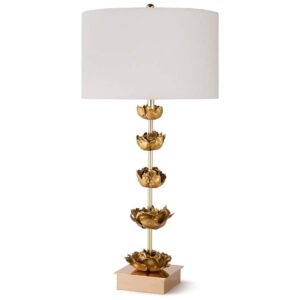
Bird sculpture — eagles, owls, herons, peacocks, cranes — is the widest sub-category of animal sculpture and the one with the greatest range of stylistic treatment. A stylized ceramic owl reads as contemporary and Nordic. A bronze eagle reads as formal and patriotic. A hand-carved wooden heron reads as coastal and organic. The bird sculpture you choose communicates a great deal about the room’s character before anyone looks at anything else. A bird sculpture in a tall, reaching form — wings extended, neck extended — draws the eye upward and creates vertical energy in a composition. The Aged Gunmetal Fluted Table Lamp ($299–$449) with its fluted column form creates the same vertical energy at the lamp position.
Horse sculpture and equine sculpture are the most formally demanding animal subjects — the proportions of a horse are well-known enough that any error in scale or anatomy reads immediately as wrong. A well-executed horse sculpture in bronze or cast resin captures the musculature, the tension of movement, and the elegant structure of the animal in a way that is immediately satisfying to look at. Equine sculpture suits traditional, transitional, and farmhouse rooms; it also works powerfully in a study or home office where the association of the horse with performance and power is contextually appropriate. The Aged Brass Ceramic Meadow Ombre Table Lamp ($289–$439) in warm ombre ceramic is the natural lamp companion for a horse sculpture in a warm-toned traditional room.
Smaller wildlife — fish sculpture, cat sculpture, dog sculpture, bird sculptures, frog sculpture, and turtle sculpture — are better suited to decorative interior styling than to formal statement-making, and they are often the most personal of all animal sculpture choices. A cat sculpture on a bookshelf might be a collector’s statement or a quiet acknowledgment of a companion animal. A fish sculpture or dolphin sculpture in a coastal home is a material extension of the surrounding landscape. These smaller wildlife forms suit bookshelves, consoles, coffee tables, and mantelpieces — any surface where an object of 6 to 14 inches creates a composed moment. The Adeline Five Gold Flowers Bloom Metal Table Lamp ($269–$409) with its five gold petal forms has the same decorative personality as a small wildlife sculpture: intimate, intentional, and immediately readable.
How to Choose the Right Scale for Animal Sculpture
Scale is the most important decision in animal sculpture, and the one most commonly gotten wrong. The rule is the same as for any three-dimensional decorative object: the piece should be sized in proportion to the surface it occupies and the furniture around it. A small bronze eagle on a 48-inch console table gets lost — it looks like it was placed there by accident rather than intention. The same piece on a bookshelf between two books reads correctly because the bookshelf scale matches the object’s scale. For a primary statement piece above a console or sofa, choose an animal sculpture of 14 to 24 inches in its largest dimension. The Possini Euro Zeus Gold Leaf Modern Table Lamp ($319–$479) with its gold leaf base creates the lamp-scale equivalent of this statement quality: large enough to be noticed, resolved enough to stand on its own.
For garden and outdoor animal sculpture — large-scale pieces in bronze, cast stone, or weathered metal — the scale rules change significantly. An outdoor animal sculpture must be large enough to read as intentional from the primary viewing distance, which in most gardens is 10 to 30 feet. A piece that reads at that distance needs to be at least 24 inches in its largest dimension, and 36 to 48 inches for a primary focal point in a mid-size garden. An outdoor sculpture stand or plinth raises the piece above the planting level and improves its visibility from all distances. The Cobalt and Natural Brass Table Lamp ($269–$409) on a covered patio table creates the indoor-outdoor material continuity that brings the garden’s animal sculpture theme into the home.
How to Display Animal Sculpture at Home
The console table is the primary display position for a statement animal sculpture — it places the piece at standing eye level, provides a dedicated horizontal surface, and creates a natural backdrop for the sculptural form. A console in an entry hall, dining room, or living room is the most visible surface in the room from most positions; a large animal sculpture there creates the first and most lasting design impression of the space. Place a lamp on the opposite end of the console from the sculpture — it creates a bilateral composition that reads as designed. The Aged Black Table Lamp ($269–$409) in aged black creates the quiet, receding lamp presence that lets the animal sculpture command the surface.
Bookshelves and alcoves suit smaller animal sculptures — the scale of the shelf contains and focuses the piece, and the books or objects beside it create a natural supporting cast. Arrange bookshelf sculptures in groups of three at varied heights: a tall narrow form, a medium horizontal form, and a small base-level piece. Leave at least 4 inches of clear space on either side of the primary sculpture — negative space is what separates a curated bookshelf from a crowded one. The lamp on the adjacent surface should cast light toward the shelf from the side, not directly above. The High Hammock Pale Blue Ceramic Table Lamp ($319–$479) in pale blue ceramic creates the cool, clear light quality that suits a Scandinavian or coastal bookshelf with ceramic or carved wood animal sculptures.
Mantlepieces and fireplace surrounds are the most traditional positions for animal sculpture in the American home, and they create the most formal compositions. A symmetrical pair of animal sculptures flanking a clock or mirror above the mantel is the classic arrangement. An asymmetric single piece with a lamp on one end and the sculpture on the other creates a more contemporary mantel composition. For a home office or study, an animal sculpture on the desk or a nearby shelf creates a personal visual anchor that makes the workspace feel considered rather than generic. The Aged Brass Dome Adjustable Desk Lamp ($269–$409) with its adjustable arm is the most practical choice for a desk with an adjacent animal sculpture — you can direct the light to illuminate the piece from any angle.
Animal Sculpture for Outdoor and Garden Spaces
Garden animal sculpture serves a different purpose than indoor animal sculpture. Where indoor pieces add personality and narrative to a room, outdoor animal sculpture organizes the garden — it creates focal points that draw the eye through the space, marks the ends of sightlines, and gives the garden a sense of intention that planting alone cannot achieve. A bronze heron at the edge of a garden pond, a stone bear at the end of a path, a cast iron eagle on a garden wall — each one tells you where to look and creates a moment of stillness in a space that is otherwise defined by growth and change. The Mid Century Modern Green Ceramic Table Lamp ($339–$479) on the covered patio beside the garden extends the green, natural material palette from outdoors to in.
Wolf sculpture is increasingly popular in contemporary home decor — the wolf carries associations of wildness, pack loyalty, and natural intelligence that suit both maximalist and nature-forward interior styles. A wolf sculpture in dark metal or raw iron on a console or bookshelf creates an immediately distinctive statement. Bear sculpture and rabbit garden sculpture occupy the other end of the wildlife spectrum — accessible, warm, and suited to family rooms, children’s spaces, and cottage-style gardens. Browse our full table lamps collection for the range of sculptural table and floor lamp bases that complement any animal sculpture in any material, from bronze to ceramic to carved wood.
Where to Find Animal Sculpture and Sculptural Lamps
A well-chosen sculpture and the right sculptural lamp beside it are the two decisions that most rapidly transform a room from assembled to designed. The sculpture carries the narrative; the lamp carries the light; together they create the composition. At Exotic Decor USA, every sculptural lamp in our living room lamp collection is designed to complement, not compete with, the art you place beside it. Email info@exoticdecor.us Monday through Saturday, 10:00 AM to 8:00 PM for personalized styling advice. Shipping via DHL, FedEx, and UPS — 1 to 2 days processing, 6 to 12 days standard delivery.
What is animal sculpture?
Animal sculptures are any three-dimensional artwork depicting an animal subject, created in materials including bronze, ceramic, stone, wood, metal, resin, and glass. It is one of the oldest art forms in human history — the earliest known animal sculptures predate any known human figurative art. Today, sculpture encompasses everything from formal bronze casting in the academic tradition to hand-carved folk art, contemporary abstract animal forms, and ceramic wildlife figures across every price point and interior style.
What animal sculptures are most popular for home decor?
The most popular animal sculptures for home decor are birds (eagles, owls, herons, and peacocks), horses, cats, dogs, elephants, bears, and wolves. Birds are the most versatile because they can be stylized in almost any material and suit the widest range of room styles. Horses are the most formally demanding and suit traditional and transitional rooms. Cats and dogs are the most personal — often chosen as much for emotional resonance as for aesthetic fit.
What material is best for animal sculpture?
Bronze is the most durable and detail-capturing material for sculpture, particularly for subjects with complex surface texture like feathers or fur. Ceramic suits interior-only placement and is the most color-versatile. Wood is the warmest and most natural, but sensitive to humidity changes. Cast resin and reconstituted stone offer the visual quality of natural materials at lower price points. For outdoor sculpture, bronze, stainless steel, and powder-coated iron are the most weather-resistant choices.
How do you display animal sculpture at home?
The primary positions are console tables at standing eye level, bookshelves for smaller pieces, mantelpieces for formal symmetrical arrangements, and dedicated plinths or sculpture stands for statement pieces. The basic rule: size the sculpture to the surface and the furniture around it. A 14 to 24-inch piece suits a console; a 6 to 12-inch piece suits a bookshelf. Place a lamp on the opposite end of the surface to create a bilateral composition, and position the lamp to cast light across the sculpture from the side for maximum shadow definition.
Do animal sculptures work outdoors?
Yes, but material choice is critical. Bronze, stainless steel, cast stone, and powder-coated iron are the primary outdoor-appropriate materials. Bronze develops a green-brown patina outdoors that integrates it naturally into the garden. Cast stone develops moss and lichen that gives a timeless quality. Raw iron and mild steel will rust without protection. Most ceramic and resin pieces are not suitable for outdoor exposure in freeze-thaw climates, though they may work in covered outdoor spaces in temperate regions.