

Turtle, Frog, and Rabbit Garden Sculpture: Small Wildlife Art for Every Space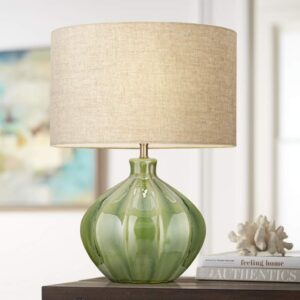
Turtle sculpture, frog sculpture, and rabbit garden sculpture occupy a category that is genuinely underrated in the animal sculpture world. These small wildlife pieces do something that large statement sculptures cannot: they reward a close look. A well-made ceramic frog on a garden wall, a bronze turtle at the edge of a pond, a cast stone rabbit at the base of a border planting — each one creates a small moment of discovery and delight that a large, immediately-visible sculpture simply cannot replicate. They also have the great advantage of scale: a sculpture at 8 inches is the right size for a bookshelf, a coffee table, a garden wall, or a patio step. The placement options are endless. Pair a small wildlife sculpture with the right sculptural table lamp and even the most overlooked corner of a room becomes a composed moment.
This guide covers all three of these garden wildlife subjects — sculpture, frog sculpture, and rabbit garden sculpture — along with their materials, the contexts where they work best, and how to create garden and shelf compositions that use these small-scale animal sculptures to maximum effect. The Mid Century Modern Green Ceramic Table Lamp ($339–$479) in natural green ceramic is the most natural lamp companion for any room or garden corner organized around small wildlife sculpture and botanical objects.
Turtle Sculpture: Symbolism and Style
Turtle sculpture carries powerful symbolic meaning across multiple cultures. In Native American tradition, the turtle is the foundation of the world — Turtle Island, the earth itself. In Chinese tradition, the turtle is one of the four sacred animals, associated with longevity, wisdom, and stability. In Hawaiian and Pacific Island cultures, the honu (sea turtle) is a symbol of good luck, endurance, and the navigation of life’s journey. A sculpture in your home or garden invites these associations — the slow, deliberate quality of the turtle is a counterbalance to the speed of contemporary life. Cast stone garden sculpture develops a natural moss and lichen coating over time that makes it look as though it has always been in the garden. Animal sculptures that develop patina this naturally are among the most rewarding long-term garden investments. The Adorno Natural and Beige Table Lamp ($239–$359) in warm beige creates the quiet, unhurried lamp quality that a sculpture’s symbolism invites.
Bronze turtle sculpture is the most formal and most durable choice for turtle art. A life-size bronze sea turtle mounted on a wall or displayed on a garden plinth creates a statement that reads as fine art rather than garden decoration. Bronze turtles in smaller sizes — 6 to 12 inches — suit indoor bookshelves, coffee tables, and coastal console surfaces. The Cobalt and Natural Brass Table Lamp ($269–$409) in cobalt glass and natural brass creates the most coastal and ocean-appropriate lamp composition for a bronze or ceramic sea sculpture on a console.
Frog Sculpture: From Garden Ponds to Indoor Shelves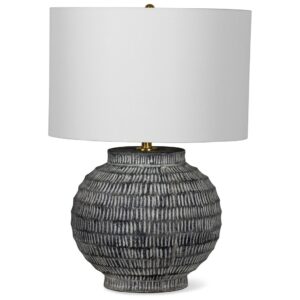
Frog sculpture is the most cheerful and most culturally varied of the small wildlife sculpture categories. In Japan, the frog is a symbol of luck and safe return (kaeru means both frog and return). In European garden tradition, the ceramic frog at the garden pond is a fixture of cottage and English country garden styles. In contemporary home decor, ceramic frog sculptures appear as bookshelf objects, coffee table accent pieces, and bathroom counter sculptures — their compact form and wide availability in colorful glazes make them the most accessible of all wildlife sculptures. A well-placed frog beside a plant on a bookshelf creates one of the most successfully organic shelf compositions available. The Aged Brass Ceramic Meadow Ombre Table Lamp ($289–$439) in meadow ombre creates the warm organic lamp presence that a frog sculpture composition deserves.
Garden frog sculpture in cast stone, bronze, or ceramic works best in positions that reference the frog’s natural habitat: beside a water feature, at the base of planting, on a garden wall above a bed, or on a damp garden step. A cast stone frog at the edge of a garden pond that is just the right size reads as though it arrived there on its own — the most successful garden sculpture effect. Outdoor frog sculptures in bronze develop a natural patina; in cast stone they develop moss. Either way, the frog improves with time in a garden position. Animal sculptures that develop character outdoors are the most rewarding garden investments. The Adobe Brown Chisel Ceramic Table Lamp ($269–$409) in warm adobe brown chisel creates the earthy, grounded lamp companion for any room that uses garden sculpture as its primary decorative inspiration.
Turtle Sculpture for Garden and Home
For garden compositions with turtle sculpture, placement beside or near water is the most naturalistic and most visually resolved choice. A cast stone or bronze turtle at the edge of a garden pond, facing the water, creates a composition that looks placed by nature rather than by a decorator. A garden turtle on a flat stone in a naturalistic border, partially surrounded by low ground cover, creates a discovery moment for visitors who notice it in passing. Rabbit garden sculpture works in the same way: a cast stone rabbit at the base of a planting border, half-hidden by the lower plants, creates the sense that a real rabbit is sheltering in the garden — one of the most charming garden sculpture effects available. The Aged Brass Ceramic Granite Table Lamp ($239–$359) on the covered patio or garden room beside the garden extends this naturalistic wildlife theme from the garden into the adjacent interior.
Rabbit garden sculpture in cast stone, bronze, or ceramic is among the most popular small wildlife garden choices — the rabbit’s associations with spring, fertility, and the quiet life of the garden make it universally accessible and universally appealing. A sitting rabbit in cast stone beside the garden gate or at the end of a garden path creates a welcoming quality that suits cottage, farmhouse, and family garden styles. Ceramic rabbit sculptures in a matte white or natural glaze are excellent indoor bookshelf objects — compact, quietly charming, and compatible with almost any room palette. The Aged Brass and Ceramic Affogato Table Lamp ($289–$439) in warm brass affogato creates the warm, domestic lamp quality that rabbit sculpture naturally invites.
Creating Small Wildlife Sculpture Compositions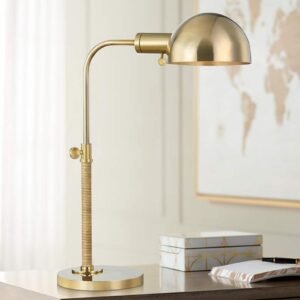
The most effective small wildlife sculpture compositions use three objects at different heights — a tall plant, a medium lamp or vase, and a small animal sculpture at the lowest point. On a bookshelf, this translates to: books at the back (creating a vertical backdrop), a small lamp or plant in the middle height, and a turtle, frog, or rabbit sculpture at the lowest point near the shelf edge. On a patio table or garden console, the lamp creates the vertical element, the sculpture creates the focal point, and a small botanical object (a succulent, a moss ball, a small ceramic pot) bridges between them. The Aged Brass Dome Adjustable Desk Lamp ($269–$409) with its adjustable arm gives you precise control over how light falls across the small wildlife sculpture in any of these compositions.
Browse our table lamps collection for sculptural lamps that complete wildlife sculpture compositions. See our
Frequently Asked Questions
What does a turtle sculpture symbolize?
Turtle sculpture carries significant symbolic meaning across many cultures. In Native American tradition, the turtle is the foundation of the world (Turtle Island). In Chinese tradition, the turtle is associated with longevity and stability. In Hawaiian and Pacific Island cultures, the honu (sea turtle) symbolizes good luck and navigation. In home decor, sculpture is often chosen for its associations with endurance, wisdom, and the slow, deliberate quality that provides counterbalance to the speed of modern life.
Where is the best place to put a garden turtle sculpture?
Beside or near water is the most naturalistic and most resolved placement for a garden turtle sculpture. At the edge of a pond, facing the water, the turtle creates a composition that looks placed by nature. On a flat stone in a naturalistic border, partially surrounded by low ground cover, it creates a discovery moment for visitors. Avoid formal symmetrical placements — the turtle’s naturalistic quality reads best in settings that reference its actual habitat rather than decorative conventions.
What material is best for garden turtle sculpture?
Cast stone and bronze are the best outdoor turtle sculpture materials. Cast stone develops moss and lichen over time, integrating the piece beautifully into a garden setting. Bronze develops a green-brown patina that suits water-adjacent garden positions particularly well. Both materials improve with age. Ceramic turtle sculpture is not suitable for freeze-thaw outdoor conditions, though it works well in covered garden rooms and temperate outdoor spaces.
How do you display small wildlife sculpture indoors?
Use the three-object composition: a tall element (plant or lamp), a medium element (vase or book stack), and the small wildlife sculpture at the lowest height near the surface edge. On a bookshelf, books at the back, lamp or plant at medium height, turtle or frog at the front edge. Light from the side using an adjustable lamp to create shadow definition that reveals the surface texture of the small sculpture. Leave 2 to 4 inches of clear space on the sculpture side so it reads as a deliberate placement rather than accumulated clutter.