

Biophilic Design Sculpture for Home Interiors: Nature, Form, and Material Connection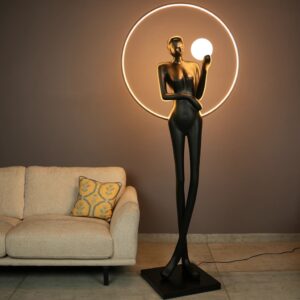
Biophilic design sculpture for home interiors takes the biophilic design principle — that human beings have an innate need to connect with natural systems — and applies it specifically to three-dimensional art. Biophilic sculpture is not simply sculpture with a nature subject. A perfectly smooth, industrially produced resin bird is not biophilic. A rough-surfaced soapstone form with no recognizable subject is biophilic because its material carries a direct connection to natural geological processes. The distinction is material honesty, not thematic reference. The Mid Century Modern Green Ceramic Table Lamp ($339–$479) in sage green ceramic is the lamp that participates in this biophilic material conversation — botanical color, hand-formed ceramic surface, honest material quality.
This guide covers biophilic design sculpture for home interiors — the principles that define biophilic sculpture, the materials that qualify, and the display practice that creates genuine connection to natural systems rather than decorative nature reference. Browse our table lamp collection for lamp designs that participate in the biophilic material vocabulary.
Biophilic Design Sculpture for Home Interiors: Material Over Subject
Biophilic interior design principles for sculptural objects identify three material categories that qualify as genuinely biophilic: natural geological materials (stone, soapstone, marble, granite, raw crystal, formed rock), natural biological materials (wood, bone, horn, shell, driftwood, dried botanical forms), and natural process materials (bronze and iron with natural patina, ceramic with natural ash glaze or wood-fire patina, glass with natural silica colorants). Manufactured materials attempting to evoke nature do not qualify under this definition.
Nature-inspired sculpture for home decoration in the biophilic tradition chooses forms that reference natural processes: the river stone form, the branch section, the geological stratum layering, the seed pod, the wave form. These forms are biophilic even in abstract treatment because the mind recognizes the natural source even without the material being natural. When natural form and natural material coincide — a soapstone piece carved in an organic form — the biophilic quality is complete. The Adorno Natural and Beige Table Lamp ($239–$359) in warm natural beige creates the organic lamp whose material and form both participate in the biophilic register.
Organic Sculpture Shapes for Biophilic Interiors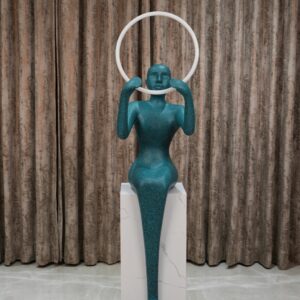
Organic sculpture shapes for interiors in the biophilic tradition avoid right angles, perfect circles, and purely geometric forms — these are human constructions, not natural ones. Biophilic organic forms reference the specific geometry of natural growth: the logarithmic spiral of a shell, the branching pattern of a tree, the undulation of a river, the gradual asymmetry of a naturally formed stone. The most powerful biophilic sculptures look as though they were found rather than made.
Botanical sculpture home decor goes further than organic abstract form: it uses the specific vocabulary of plant structure — stem, leaf, seed, root system — as its formal source. Botanical sculpture at its most resolved is not illustrative (a sculpture of a leaf) but formally botanical (a sculpture whose proportional relationships, surface texture, and growth logic are derived from botanical study). The Adobe Brown Chisel Ceramic Table Lamp ($269–$409) in warm earthy adobe brown chisel ceramic creates the lamp for a room where botanical sculpture is the primary art statement.
Stone Sculpture Biophilic Design and Natural Material Choices
Biophilic design sculpture for home interiors reaches its fullest expression in stone. Stone sculpture biophilic design principle: stone is the oldest material on Earth, and its presence in a domestic interior creates a quality of geological time that no manufactured material can approximate. A river-worn granite piece, a carved soapstone form, a polished alabaster vessel — each brings geological time, natural process, and material permanence to the room. Stone sculpture requires nothing else to communicate its biophilic quality.sculptural table lamps
Living wall sculpture ideas bridge biophilic design and three-dimensional art in the most direct way: pieces that incorporate living plant material (mounted air plants, moss-backed sculptural panels, botanical resin inclusions) are genuinely biophilic in the sense that they include actual living organisms. For maintenance-free biophilic sculpture, preserved botanical inclusions in resin panels or sealed glass terrariums with dried botanicals achieve a similar visual effect. The Aged Brass Ceramic Meadow Ombre Table Lamp ($289–$439) in warm meadow ombre ceramic creates the organic companion lamp for a room where living wall or botanical sculpture is the primary biophilic art statement.
Biophilic Home Decor Guide: Display Principles
The biophilic home decor guide for sculptural objects has one organizing principle: the sculpture should strengthen the room’s connection to natural systems, not decorate around it. Position biophilic sculpture near other natural material objects — beside a bowl of river stones, below a branch arrangement, adjacent to a living plant. The sculpture is most biophilic when it is part of a natural material ecosystem in the room rather than an isolated object surrounded by manufactured surfaces.
Natural light is more important for biophilic sculpture than for any other sculpture type. A stone or wooden sculpture in natural sidelight from a window reads completely differently than the same piece under artificial overhead light. Where possible, design the display position to receive natural light for at least part of the day. The lamp beside the piece extends this quality into the evening. Browse our floor lamp collection for the floor lamp designs suited to rooms where biophilic sculpture is the primary art statement.
Biophilic design sculpture for home interiors creates the deepest connection between interior space and natural systems when the material is genuinely natural, the form references natural process, and the display position integrates the sculpture into a broader natural material conversation in the room. Browse our full lamp collection for the complete collection.
Frequently Asked Questions
What is biophilic design in home decoration?
Biophilic design is based on the principle that human beings have an innate need to connect with natural systems, and that interior spaces should support this connection through material, form, and light. In sculptural terms, biophilic design favors objects made from natural geological materials (stone, marble, granite), natural biological materials (wood, shell, driftwood), and natural process materials (bronze with natural patina, wood-fired ceramic, natural-silica glass). Material honesty is the key principle — manufactured materials attempting to evoke nature are not biophilic.
What sculpture materials are biophilic?
The three categories of genuinely biophilic sculpture materials: natural geological (stone, soapstone, marble, granite, raw crystal, formed rock), natural biological (wood, bone, shell, driftwood, dried botanical forms), and natural process (bronze and iron with natural patina, ceramic with natural ash glaze or wood-fire patina, glass with natural silica colorants). Manufactured materials attempting to simulate nature — painted resin “stone,” factory-produced “wood-effect” ceramic — do not qualify as biophilic in material.
How do you display biophilic sculpture at home?
Position biophilic sculpture near other natural material objects — beside river stones, below a branch arrangement, adjacent to a living plant. The sculpture is most effective when it is part of a natural material ecosystem in the room. Design the display position to receive natural light for at least part of the day. Use sidelight from a warm lamp for evening display that reveals surface texture and material variation. Avoid positioning biophilic sculpture against synthetic or highly manufactured surfaces — the material contrast undermines both the sculpture and the surface.