

How to Clean a Table Lamp: Shades, Bases, and Every Material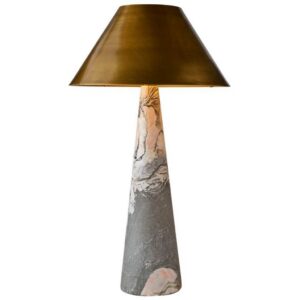
How to clean a table lamp is a practical guide that most lamp owners never think about until the lamp is visibly dusty or the shade has developed a yellowed or dirty appearance. The good news is that cleaning a table lamp is straightforward when you know the correct method for each material — and using the wrong method (especially on shades) can cause permanent damage. The Aged Brass Ceramic Affogato Table Lamp ($289) in warm affogato aged brass and ceramic demonstrates two of the most common lamp materials — aged brass hardware and ceramic base — that each require a slightly different cleaning approach.
Browse our lamp collection for the complete collection of table lamps.
How to Clean a Table Lamp Shade: Fabric, Paper, and Glass
Fabric lamp shades (linen, cotton, silk) should be dry dusted first with a soft lint roller or a dry microfiber cloth, working from the top of the shade down and following the grain of the fabric. For deeper cleaning, a very lightly damp microfiber cloth (wrung almost dry) can be used on cotton and linen shades, followed immediately by dry dusting. Never submerge a fabric shade in water or use a wet cloth on a silk shade — both can cause permanent staining, distortion of the shade shape, or rust from internal metal frame components. Paper shades are the most delicate — dry dusting only, very gently, using a soft natural bristle brush. Glass shades can be cleaned with a glass cleaner applied to a cloth (never sprayed directly), then dried immediately. The Cobalt and Natural Brass Table Lamp ($269) in warm cobalt glass creates a glass shade that is the simplest to clean.
Cleaning Ceramic Table Lamp Bases
How to clean ceramic lamp base is easy to clean but require care with the finish. For matte glaze ceramics, use a soft dry cloth for routine dusting and a very lightly damp cloth (with clean water only, no soap or cleaning products) for spot cleaning. Soap and cleaning products can leave a residue that alters the matte surface appearance — on a matte glaze lamp, this residue can create a patchy, partially-polished appearance that is visually obvious and difficult to reverse. Dry the ceramic surface immediately after damp cleaning. For high-gloss ceramic, a soft damp cloth followed by a dry cloth works well for fingerprints and smudges — the gloss surface is more forgiving of cleaning products than matte. The Adobe Brown Chisel Ceramic Lamp ($269) in warm adobe brown chisel ceramic is a matte glaze lamp that should be cleaned with water only.
Cleaning Brass and Metal Table Lamp Bases
How to clean brass lamp bases should be cleaned only with a soft dry cloth for routine dusting. Never use metal polish on an aged brass lamp — polish removes the patina that gives aged brass its character and beauty. If the aged brass develops unwanted tarnishing beyond the natural patina, a very light cleaning with a damp cloth only (clean water) can remove surface dust that has bonded to the brass. Lacquered brass (polished or satin brass that has been sealed with a clear lacquer) can be wiped with a soft damp cloth and mild soap, then dried immediately. Never use abrasive cleaners or scouring pads on any brass lamp base. The Aged Brass Ceramic Granite Table Lamp ($239) in warm granite ceramic with aged brass demonstrates the two-material lamp where the ceramic and the brass hardware each receive their appropriate cleaning treatment separately.
Browse the complete full collection for table lamps in every material family.
Frequently Asked Questions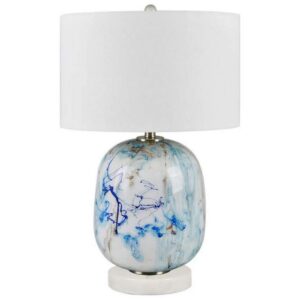
How often should I clean a table lamp?
Routine dusting of the shade and base should be done weekly or bi-weekly as part of regular household cleaning — dust accumulation on a lamp shade creates a yellowed appearance and reduces light output. A deeper cleaning of the base (damp cloth for ceramic, dry cloth only for aged brass) should be done monthly or whenever the surface shows visible smudging or residue. How to clean a lamp shade is typically only needed two to four times a year, or whenever the shade develops a yellowed appearance from aging or environmental dust.
Can I wash a lamp shade?
Only certain lamp shade cleaning tips and materials can be washed. Cotton and linen shades can be very gently hand-washed in cool water with a tiny amount of mild detergent, then air dried flat — but only if the shade has no glued trim, no wire frame that will rust, and no sizing or stiffening finish that will be affected by water. Silk shades should never be washed — dry cleaning only, or dry dusting for routine maintenance. Paper shades should never be exposed to water. When in doubt, dry dust only.
How do I remove yellowing from a lamp shade?
Removing yellowing from lamp shade comes from two sources: heat and light exposure from the bulb inside (which is unavoidable in a shade that is years old), and environmental smoke, cooking fumes, or airborne grease. For yellowing from environmental sources, a gentle hand wash of a washable shade (cotton or linen only) with mild detergent may remove some of the yellowing. For yellowing from heat and light exposure, the discoloration is permanent — the shade will need to be replaced. Switching to LED bulbs, which produce far less heat than incandescent or CFL bulbs, dramatically slows yellowing from heat exposure.