

How to Patina Bronze Sculpture at Home: Liver of Sulfur, Green, and Natural Finishes
Knowing how to patina bronze sculpture at home gives you control over the final surface quality of any bronze work — whether a piece you have cast or commissioned, or a new acquisition whose factory finish you want to correct or enhance. Patination is the controlled application of chemical solutions to create specific surface colors on metal. Bronze responds differently to different chemicals, and the results change with application temperature, alloy composition, and ambient humidity. The Aged Brass Dome Adjustable Desk Lamp ($269–$409) in aged brass dome desk lamp is the essential tool for home patination work — its adjustable arm lets you direct precise light at any angle to evaluate the developing patina surface.
This guide covers how to patina bronze sculpture at home using the most common chemical methods — liver of sulfur, ferric nitrate, and cold patina solutions — and explains how to evaluate, protect, and restore patinated bronze. Browse our table lamp collection for the lamp designs best suited to studio and collector display spaces for bronze work.
How to Patina Bronze Sculpture at Home: Safety and Preparation
The first requirement for how to patina bronze sculpture at home is a ventilated workspace. All patina chemicals produce fumes that should not be inhaled — work outdoors or in a space with active ventilation. Wear nitrile gloves throughout; skin oils affect patina uptake. Use a dedicated propane torch to heat the bronze — heating with a gas stove burner introduces combustion gases that affect the chemical reactions. Apply all chemicals to warm metal, not hot metal: the surface should be uncomfortable to touch but not burn at a quick touch.
Surface preparation determines patina quality. The bronze must be completely free of oils, wax, and oxides before chemical application. Clean with acetone or lacquer thinner using clean cotton cloth, then rinse with distilled water. Any area where oil or wax remains will resist the patina chemical and produce uneven color. The Bronze Accent Table Lamp ($239–$359) in warm bronze accent beside the working patina station creates the material continuity between the lamp’s bronze-toned hardware and the bronze sculpture being patinated.
Liver of Sulfur Patina Bronze: The Dark Classic Finish
Liver of sulfur patina bronze is the most commonly used chemical for creating dark brown to black patina on bronze sculpture. Liver of sulfur (potassium polysulfide) is available as a solid chunk or pre-mixed solution. Dilute in hot water to a light amber tea color — stronger solutions create a mottled, uneven surface; the dilute solution builds color slowly and evenly. Apply with a natural bristle brush to the heated bronze surface and watch the color develop from amber through brown to a dark gun-metal when concentrated or left long enough.
For a warm dark brown finish, stop the liver of sulfur reaction before it reaches full dark by rinsing with cold water when the color reaches the desired stage. For a near-black finish, continue application with multiple passes. Buff with a fine steel wool pad to create color variation — the raised areas of the sculpture surface receive more abrasion and lighten, while recessed areas retain the dark patina, creating depth that reads as age. The Aged Gunmetal Fluted Table Lamp ($299–$449) in aged gunmetal is the lamp that belongs beside a dark-patinated bronze: both materials use darkness as their primary quality.
Green Patina for Bronze Sculpture and Ferric Nitrate
Knowing how to patina bronze sculpture at home includes producing the characteristic green-blue tones that most people associate with outdoor bronze. Green patina for bronze sculpture uses ammonium chloride or cupric nitrate solutions. These produce a blue-green verdigris over a brown base layer — apply the brown base (liver of sulfur or ferric nitrate) first, then the green over it. The green layer develops slowly over 24 to 48 hours if the piece is kept in a humid environment (a plastic tent over the piece with a damp cloth beside it accelerates the process).
Ferric nitrate patina for bronze creates warm golden-brown to orange-brown tones — a distinctly different color register from the dark liver of sulfur finish. Apply in thin coats with a brush or spray bottle to warm bronze and build up color in multiple passes. Ferric nitrate is particularly good for highlighting the raised areas of a sculpture’s surface while keeping the recessed areas relatively lighter — the visual opposite of the buffed liver of sulfur technique. The Aged Black Table Lamp ($269–$409) in matte black creates the dark receding lamp companion for any bronze with a warm golden ferric nitrate finish, maximizing the bronze’s warm contrast.
Bronze Sculpture Wax Protection After Patination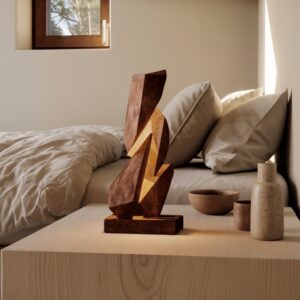
Bronze sculpture wax protection is the final stage of any home patination and the step that determines how long the patina lasts. Apply paste wax (Renaissance Wax or Johnson’s Paste Wax) to the still-warm bronze immediately after achieving the desired patina color. The warmth allows the wax to penetrate the surface. Buff to the desired sheen — more buffing produces higher gloss, less produces a satin finish. Reapply annually for indoor display pieces; every 6 months for covered outdoor pieces. The Aged Brass Dome Adjustable Desk Lamp ($269–$409) in dome adjustable lamp at the finishing station creates the controlled directional light for evaluating the wax sheen as it develops.
Bronze patina removal and restoration is required when a patina has deteriorated or when you want to re-patinate a piece. Use fine steel wool (0000 grade) with a light oil to remove old wax and surface oxidation without cutting into the bronze. Chemical patina stripping with phosphoric acid-based metal cleaners removes stubborn old patina completely — clean to bare bright metal and re-patinate from scratch. The process takes 2 to 4 hours for a medium sculpture. Browse our table lamp collection for the display lamp designs that show the finished work correctly.
How to patina bronze sculpture at home is a learnable skill that significantly expands what you can do with a bronze collection. The ability to correct, enhance, or completely change a patina means that a bronze with an unsatisfactory factory finish is not a permanent disappointment. See our full lamp collection for the complete lamp collection suited to bronze sculpture display.
Frequently Asked Questions
What chemicals are used to patina bronze?
The most common patina chemicals for bronze are liver of sulfur (dark brown to black), ferric nitrate (golden brown to orange-brown), ammonium chloride (blue-green verdigris), and cupric nitrate (green-blue). Each interacts differently with different bronze alloys and at different temperatures. Always test on a scrap piece or hidden area of the same alloy before treating the full surface. Work in a ventilated space with nitrile gloves.
Can you patina bronze at home without a torch?
Yes, using cold patina solutions — commercial products designed for room-temperature application. Cold patina produces slower, softer color development than hot patina methods and is less predictable on complex bronze alloys. For more control and more vibrant results, a propane torch to heat the metal to working temperature (uncomfortable to touch, but not burning) gives significantly better results. Cold patina suits situations where open flame is impractical.
How do you protect a patinated bronze sculpture?
Apply paste wax (Renaissance Wax or Johnson’s Paste Wax) to warm bronze immediately after achieving the desired patina color. The warmth allows the wax to penetrate the surface texture. Buff to the desired sheen level. Reapply annually for indoor display pieces. Avoid chemical cleaners on patinated bronze — they strip or alter the patina irreversibly. For active corrosion (bright green powder), gently clean with a damp cloth and re-wax immediately.
How do you remove old patina from bronze?
For old wax and light surface oxidation: fine steel wool (0000 grade) with a light oil removes material without cutting into the bronze surface. For complete patina removal: phosphoric acid-based metal cleaners strip all chemical patina to bare bright metal. Work in a ventilated space with protective gloves. After stripping, neutralize with baking soda solution, rinse thoroughly, and re-patinate from scratch. The complete process takes 2 to 4 hours for a medium sculpture.