

The table lamp vs floor lamp decision is one of the most common — and most consequential — choices in home lighting. Both formats illuminate a room, but they do it differently, sit at different heights, occupy different kinds of space, and suit different decorating needs. Choose the wrong one and the room can feel off-balance; choose the right one and the lighting becomes the invisible force that makes everything else look intentional. At Exotic Decor USA, we carry both in our table lamps collection and our floor lamps collection — and this guide will help you choose confidently between them.
The Key Differences: Table Lamp vs Floor Lamp
Size and Placement
The most fundamental difference is physical. A table lamp sits on a surface — a nightstand, end table, console table, desk, or buffet — and typically stands 24–34 inches tall in total. A floor lamp stands independently on the floor and typically stands 58–72 inches tall. Table lamps require a surface to rest on; floor lamps require only floor space. This distinction shapes every other aspect of how you use them.
The table lamp base is the most design-expressive element of the fixture — it defines the style of the surface it sits on. A floor lamp, by contrast, occupies vertical space and defines corners, reading areas, and open zones rather than surface arrangements.
Light Output and Function
Table lamps produce localized, intimate light — targeted illumination for reading in bed, task lighting at a desk, or warm ambient glow on an end table beside a sofa. They are human-scale fixtures that create pools of warmth at eye level when seated. Floor lamps produce broader, more ambient light — particularly torchiere and arc floor lamps, which project light upward or outward to fill a larger zone of a room. Cordless table lamps for living room use are also an option — rechargeable models that eliminate the cord and give you true placement freedom.
Decorative Impact
A table lamp is a decorative object first, light source second — its material, base form, and shade are on full display at close range on a surface. A ceramic table lamp, a marble table lamp, or a brass table lamp is furniture-level decoration. A floor lamp makes more of a structural statement — it fills vertical space, defines a zone, and anchors a room at a standing height that the eye catches from across the room.
When to Choose a Table Lamp
Bedroom and Nightstand Placement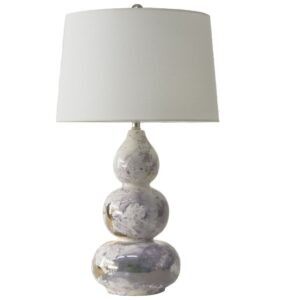
For a bedroom, a table lamp on each nightstand is almost always the right choice. Bedside table lamps provide targeted reading light at exactly the right height, keep cords neatly at surface level, and contribute to the styled, symmetrical look that makes a bedroom feel like a retreat. The Aged Brass Ceramic Meadow Ombre Table Lamp ($289–$439) and the Adobe Brown Chisel Ceramic Table Lamp ($269–$409) are both strong bedroom choices — artisan ceramic bases that read as decorative objects even when switched off.
A mini table lamp is ideal when nightstand space is limited. Table lamps tall — those over 30 inches — work best on taller or deeper nightstands in master bedrooms where scale allows a more dramatic lamp.
Living Room Side Tables and Console Tables
In a living room, table lamps on end tables beside a sofa or armchair provide the warm, layered light that makes a seating area feel inviting. Console table lamps in an entryway or hallway create a welcoming first impression. Buffet table lamps flanking a sideboard in a dining room add symmetry and warmth at dinner time. The Aged Brass Metal Modern Accent Table Lamp ($339–$509) is built for exactly this placement — tall, architectural, and commanding on a console or sideboard.
Table lamps also work well in home offices, on desks, and on bookshelves, where a floor lamp would be impractical given the existing furniture arrangement.
Small Spaces and Compact Rooms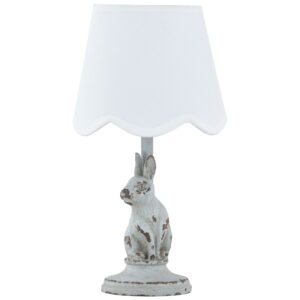
In a small bedroom, studio apartment, or compact living room, a table lamp is almost always the better choice. Floor lamps require open floor space — something in short supply in small rooms. A mini table lamp or glass base table lamp on a compact nightstand or side table keeps light where it is needed without consuming precious floor area.
When to Choose a Floor Lamp
Corners, Open-Plan Rooms, and Reading Areas
A floor lamp is the right choice when you need to light a space that has no nearby surface. Dark corners, open-plan living areas that need light zones defined, and reading chairs set away from end tables all call for a floor lamp. An arc floor lamp reaches over a sofa or armchair to deliver targeted overhead light from above — something no table lamp can replicate. For industrial table lamps and rustic table lamps, a matching floor lamp style in the same finish creates a visually coherent room scheme.
Browse our floor lamps collection for arc, torchiere, tripod, and sculptural floor lamp styles across every finish and material.
When Height Is the Design Statement
Floor lamps fill vertical space in a way no table lamp can. In a room with high ceilings, a tall floor lamp draws the eye upward and gives the room its full vertical dimension. In an open-plan layout, a pair of floor lamps can define a seating zone without any physical partition. Oversized table lamps can create a similar vertical statement on a low sideboard — but for true floor-level height drama, a floor lamp is unrivalled.
When to Use Both Together
The most effective lighting schemes use both. Floor and table lamp sets — coordinated pairs in matching finishes — are a simple way to achieve visual continuity across both lamp formats in a single room. A floor lamp provides the broader ambient fill; table lamps on end tables or nightstands provide the warm, intimate pools of light that make a room feel lived-in and finished.
In a living room: a floor lamp in the corner + a ceramic table lamp on each end table. In a bedroom: two table lamps on the nightstands + a floor lamp in the corner for overall ambient fill. This layered approach — combining different lamp heights and light sources — is the method professional interior designers use in every room they style.
For a complete luxury table lamps and floor lamp pairing, look for pieces from the same material family. A wooden table lamp beside a wooden-base floor lamp, or a modern black table lamp alongside a black metal floor lamp, creates the effortless coherence of a professionally designed room. Shop our wall lamps collection to add a third lighting layer for a fully realized scheme.
Table Lamp vs Floor Lamp: Side-by-Side
| FACTOR | TABLE LAMP | FLOOR LAMP |
| Height | 24–34 inches total | 58–72 inches total |
| Requires a surface | Yes — nightstand, end table, desk | No — stands independently on the floor |
| Floor space needed | None (sits on furniture) | 2–4 sq ft, depending on base design |
| Light type | Localized, intimate, surface-level | Broader ambient or targeted task light |
| Decorative role | Surface art — base at close-range view | Vertical statement — seen across the room |
| Best placement | Bedroom, side table, console, desk | Corner, open-plan, beside a reading chair |
| Small space suitability | Excellent | Limited — needs an open floor area |
| Layering approach | Use with a floor lamp for full depth | Use with table lamps for a complete scheme |
Frequently Asked Questions
Can I use a table lamp in place of a floor lamp?
It depends on the placement. If you have a surface — an end table, console, or desk — nearby, a table lamp can fulfil most of the functions a floor lamp would serve at that location. However, if you need to light a corner with no adjacent surface or illuminate a reading chair positioned away from any furniture, a floor lamp is the better solution. In most living rooms and bedrooms, the best result comes from using both: table lamps for intimate, surface-level light and a floor lamp for broader ambient fill.
Which is more versatile — a table lamp or a floor lamp?
Table lamps are generally more versatile. They can move between rooms easily, sit on any flat surface, and function equally well as decorative objects and light sources. Floor lamps are more fixed in purpose — they need open floor space and work best in specific placements. That said, a floor lamp can light areas that a table lamp simply cannot reach, making the two formats complementary rather than interchangeable.
Do table lamps and floor lamps need to match?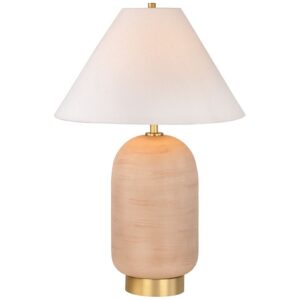
They do not need to be identical, but they benefit from sharing at least one design attribute — the same finish colour, the same material family, or the same shade tone. A brass table lamp beside a brass-accented floor lamp creates coherence without being matchy. Completely mismatched lamps in different finishes and styles create visual noise. If you are buying both at once, look for floor and table lamp sets in coordinated designs for the easiest approach.
What is the price difference between table lamps and floor lamps?
At Exotic Decor USA, table lamps range from $239 to $509, depending on material and design complexity. Floor lamps tend to run slightly higher due to their larger size and the additional structural engineering required — typically $299 to $1,229 for artisan and sculptural designs. Both represent genuine investment pieces chosen for long-term quality and design relevance. All orders ship free across the US via DHL, FedEx, or UPS.