

Garden Sculptures: How to Choose Outdoor Art That Lasts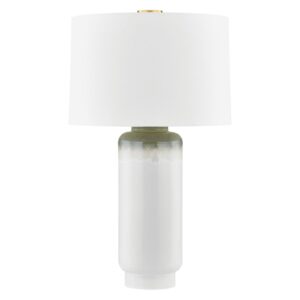
A garden without sculpture is just landscaping. That is not a slight — good landscaping is its own discipline — but sculpture adds the element that plants alone cannot: permanence, narrative, and the sense that someone made a deliberate choice about this space. A bronze figure beside a path, a stone sphere in a flower bed, a rusted iron abstraction among the hedges — each one turns a garden into a place with a point of view. And when you bring that point of view inside with you, it makes sense to continue it with the sculptural table lamp that greets you the moment you step through the door.
The difference between indoor and outdoor sculpture decisions is almost entirely about material and scale. Inside, you can choose any material without worrying about weather. Outside, rain, UV light, temperature cycling, and humidity narrow your options considerably. The Aged Brass Dome Adjustable Desk Lamp ($269-$409) shows the principle in lamp form: aged brass weathers gracefully in covered outdoor spaces, developing a subtle patina that suits the garden context perfectly.
Materials That Survive the Weather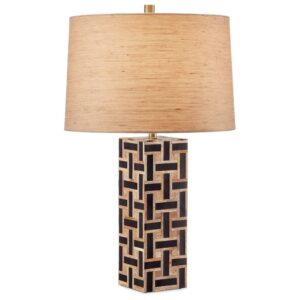
Bronze is the gold standard of outdoor sculpture material. Its natural oxidation process — the green-brown patina that forms over decades — is a sign of quality rather than deterioration, and the patina itself acts as a protective layer that prevents deeper corrosion. A bronze figure or abstract sculpture form in a garden needs essentially no maintenance and will outlast its owner by centuries. Pair the garden’s bronze sculpture stand with an outdoor-adjacent lamp that matches its warm, aged quality: the Bronze Accent Table Lamp ($239-$359) in bronze accent creates exactly this material consistency when the lamp is positioned near the patio door.
Stainless steel is completely weather-resistant and entirely contemporary — the bright reflective surface of polished stainless reads as modern and precise in a garden context, while a brushed-finish stainless piece reads as more understated and versatile. Stainless steel suits contemporary minimalist gardens with clean geometry and limited planting. The Aged Brass Metal Modern Accent Table Lamp ($339-$509) in aged brass metal with its architectural precision is the indoor equivalent of what a brushed-stainless garden piece achieves outdoors.
Cast stone and reconstituted stone are the most traditional garden sculpture materials — they develop moss and lichen growth over time that integrates them into the garden setting in a way no metal or resin piece can. Cast stone is also remarkably affordable compared to bronze or natural stone. The limitation is brittleness: a heavy frost can crack a cast stone piece if water penetrates and freezes inside any crack. In colder climates, bring cast stone pieces under cover for the winter. The Adobe Brown Chisel Ceramic Table Lamp ($269-$409) in adobe brown ceramic creates the same earthy, grounded material quality indoors.
Powder-coated iron and steel combine the design flexibility of metal with reasonable weather resistance — the powder coating seals the metal surface against moisture and UV radiation. The limitation is that the coating can chip or scratch over time, especially at mounting points or any area with repetitive contact. Touch up chips immediately with matching touch-up paint to prevent rust from spreading under the coating. The Aarna Black Table Lamp ($269-$409) in matte black is the indoor lamp companion for a powder-coated iron garden piece in a dark-metal palette.
How to Choose Scale for Your Garden
Scale is the most common mistake in garden sculptures selection. Most people choose pieces that are too small — a 12-inch figure in a large garden disappears into the planting and reads as an afterthought. The rule: choose a piece at least half the height of the surrounding planting in the spot where it will stand. In a border with 36-inch perennials, the sculpture should be 18 to 36 inches tall to read as a deliberate element of the composition rather than something that got accidentally placed there. The Cobalt and Natural Brass Table Lamp ($269-$409) on the covered outdoor patio table beside the garden creates the indoor-outdoor visual continuity that the best garden rooms achieve.
For small patios and courtyard gardens — typically under 200 square feet — the correct sculpture scale is 12 to 24 inches. A piece in this range is substantial enough to serve as a focal point without overwhelming the limited space. For medium gardens of 500 to 2,000 square feet, 24 to 48 inches reads correctly for a primary focal point. For large gardens over half an acre, a piece under 36 inches will be invisible from most viewing angles. The Adeline Five Gold Flowers Bloom Metal Table Lamp ($269-$409) demonstrates the principle of appropriate scale for its context: proportioned to a side table, not a dining table, and immediately right for that position.
Placement Principles for Garden Sculpture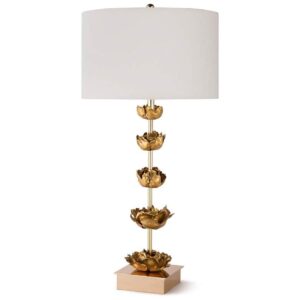
The most effective garden sculptures positions are at the ends of sightlines — at the end of a path, at the terminus of an axis created by two parallel borders, or at the far corner of a garden room. A sculpture at the end of a sightline draws the eye through the space and creates a sense of destination. The best garden rooms have at least one sculpture placed this way: it organizes the entire garden’s geometry around a single point. The Aged Brass Ceramic Granite Table Lamp ($239-$359) on a covered outdoor patio table anchors the outdoor room’s horizontal plane the way the garden sculptures anchors its vertical axis.
Uplighting transforms garden sculptures at night — a single upward-angled light fixture at the base of a bronze or stone piece creates dramatic shadow effects that the daytime viewing position cannot match. Many garden sculptures collectors consider the night view as important as the day view. The Adorno Natural and Beige Table Lamp ($239-$359) on a patio console beside the garden door creates the transition between the lit indoor space and the illuminated outdoor sculpture composition.
Browse our table lamps collection for artisan sculptural lamps that bring your garden’s material palette indoors. See our
Frequently Asked Questions
What material is best for outdoor garden sculptures?
Bronze is the best long-term material for outdoor sculpture — it oxidizes to a protective patina and lasts indefinitely. Stainless steel is completely weather-resistant and maintenance-free. Cast stone and reconstituted stone integrate naturally into the garden but can crack in hard frost. Powder-coated iron is affordable and weather-resistant if the coating is maintained. Untreated iron, mild steel, and most resins are not suitable for unprotected outdoor exposure.
How big should a garden sculpture be?
The sculpture should be at least half the height of the surrounding planting in its position. In a border with 36-inch plants, choose a piece 18 to 36 inches tall. For small patios under 200 square feet, 12 to 24 inches is the right range. For medium gardens of 500 to 2,000 square feet, 24 to 48 inches works for a primary focal point. In large gardens, pieces under 36 inches tend to disappear into the planting from most viewing angles.
Where is the best place to put a garden sculpture?
The most effective position is at the end of a sightline — at the terminus of a path, an axis, or a garden room. This draws the eye through the space and creates a sense of destination. Other good positions: a corner focal point that anchors a border composition, a plinth in the center of a circular bed, or beside a water feature where the reflection doubles the visual impact.
Does garden sculpture need maintenance?
Bronze and stainless steel require essentially no maintenance. Cast stone should be checked annually for cracks and brought under cover in hard-frost climates. Powder-coated iron should have chips touched up immediately with matching touch-up paint to prevent rust. All outdoor wall sculpture art benefits from an annual rinse to remove bird droppings and debris that can stain or etch the surface over time.