

Famous Garden Sculptures: Iconic Outdoor Art and What Makes It Work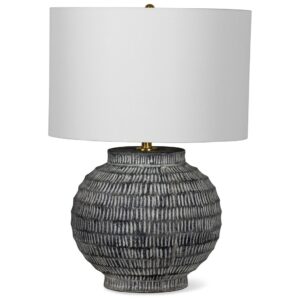
The greatest gardens in the world are inseparable from the sculptures they contain. The Angel of the North stands over the A1 motorway in Gateshead like a modern guardian, arms spread wide against the northern sky. The Henry Moore sculptures at Dartington Hall in Devon settle into the hillside as though they grew there. Rodin’s Burghers of Calais in Victoria Tower Gardens in London stand among the trees at street level, without a pedestal, exactly as Rodin intended. Famous garden sculptures are different from indoor sculpture: they operate at landscape scale, they change with the light and weather, they acquire moss and patina, and they must earn their place in a context that is already dramatic and alive. The Adobe Brown Chisel Ceramic Table Lamp ($269–$409) on the covered garden patio or garden room table extends this outdoor sculptural quality into the adjacent indoor space.
This piece covers the world’s most famous garden sculptures — from Versailles to Chatsworth to Storm King — explains what makes each one work in its landscape context, and translates these principles into practical guidance for using sculpture in your own outdoor space, from large garden focal points to smaller patio and covered terrace compositions. Browse our table lamps collection for lamp designs that bring the same formal intention into the covered outdoor spaces that connect garden sculpture with interior design.
The Greatest Garden Sculpture Collections in the World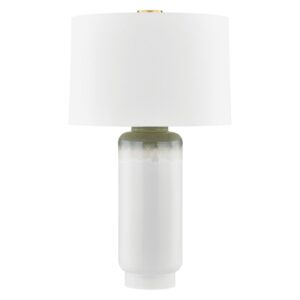
The Storm King Art Center in Orange County, New York is the largest and most important outdoor sculpture park in the United States — 500 acres of rolling landscape populated with monumental works by Alexander Calder, Mark di Suvero, Richard Serra, Andy Goldsworthy, Maya Lin, and dozens of other major contemporary sculptors. The relationship between each sculpture and its landscape position is curated with the same intentionality that a major museum applies to gallery hanging. Storm King demonstrates the central principle of great garden sculpture: the work and the landscape are in dialogue, each changing how you see the other. The Aged Brass Ceramic Meadow Ombre Table Lamp ($289–$439) in warm aged brass and meadow ombre ceramic creates the organic, landscape-adjacent lamp quality that suits a garden room adjacent to such an outdoor space.
The sculpture gardens of Versailles are a different proposition: formal, symmetrical, aligned with the axes of Le Nôtre’s geometry, and consistently operating at the scale of the landscape. The bronze groups in the fountains — Apollo’s chariot rising from the water, Latona and her children — are positioned with mathematical precision to create views and sightlines that work from specific points in the garden. This formal, site-specific composition is the most architecturally demanding form of garden sculpture installation. The Adorno Natural and Beige Table Lamp ($239–$359) in natural beige creates the quiet, resolved outdoor companion for a garden that aspires to this quality of formal intention.
Famous Garden Sculptures: Principles of Outdoor Placement
The placement principles for famous garden sculptures apply at every scale, from Versailles to a suburban garden. First: sightlines. The best outdoor sculpture terminates a view — it sits at the end of a path, a lawn, or a garden axis, so that it is the destination your eye travels toward. A sculpture placed in the middle of an open space, visible from all directions equally, rarely achieves the focused presence of one placed at the end of a defined sightline. Second: scale relative to surroundings. A large tree requires a large sculpture. A low border planting suits a smaller piece. Third: material integration. Cast stone and bronze develop patinas that integrate them into the garden setting over time; they improve with age. The Mid Century Modern Green Ceramic Table Lamp ($339–$479) in sage green ceramic creates the botanical color quality that suits a garden terrace where cast stone or bronze sculpture is already present.
The Henry Moore sculptures at Dartington Hall in Devon demonstrate the most important principle of all: placing sculpture in dialogue with the landscape’s existing character rather than imposing on it. Moore’s organic forms — the abstract reclining figures, the ovoid shapes — settle into the hillside like stones that were always there. This is the aspiration for any garden sculpture: not to be clearly placed, but to appear inevitable. Browse our sculptural floor lamps for the table and floor lamp designs suited to covered garden rooms and outdoor terraces where this quality of material naturalness is the organizing principle.
Garden Sculpture for Your Own Outdoor Space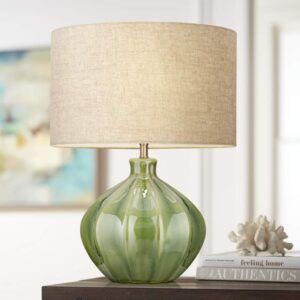
The principles of the great garden sculptures translate directly into practical guidance for any outdoor space. For a primary garden focal point — the sculpture you see from the main sitting area — choose cast stone or bronze at a scale that reads from your primary viewing distance. A piece that is legible from 20 feet needs to be at least 18 to 24 inches in its largest dimension, and ideally 30 to 36 inches for a main focal point. Position it at the end of the garden’s primary axis, on a plinth or flat stone that raises it above the planting level. The Bronze Accent Table Lamp ($239–$359) in warm aged bronze accent on the adjacent covered terrace creates the material continuity between the bronze garden sculpture and the indoor space.
For the complete guide to the world’s most famous sculptures — from indoor masterpieces to iconic garden works — see our famous sculptures guide.
Frequently Asked Questions
What are the most famous garden sculptures in the world?
Among the most famous garden sculptures are the bronze groups at Versailles (Apollo’s Chariot, the Latona Fountain), Henry Moore’s organic forms at Dartington Hall, the Angel of the North by Antony Gormley (Gateshead, UK), the Henry Moore sculpture collection at Storm King Art Center (New York), and Rodin’s Burghers of Calais in Victoria Tower Gardens (London). The Storm King Art Center is the largest and most important outdoor sculpture park in the United States.
What material is best for garden sculpture?
Bronze and cast stone are the best garden sculpture materials. Bronze develops a green-brown patina outdoors that integrates naturally into garden settings, and is fully weather-resistant across all climates. Cast stone develops moss and lichen, becoming more integrated into the landscape over time. Both materials improve with age in outdoor positions. Stainless steel and powder-coated iron are also fully outdoor-appropriate. Most ceramic and standard resin sculptures are not suitable for freeze-thaw outdoor exposure.
How do you place a sculpture in a garden?
The most effective garden sculpture placement uses sightlines — position the sculpture at the end of a garden path, lawn axis, or border run so it terminates the view rather than sitting in the middle of open space. Scale to the surroundings: a large tree requires a larger sculpture. Use a plinth or flat stone to raise the piece above the planting level so it reads clearly from the primary viewing distance. For a 20-foot viewing distance, aim for a sculpture at least 18 to 24 inches in its largest dimension.
What is the best outdoor sculpture park in the US?
The Storm King Art Center in Orange County, New York is widely considered the finest outdoor sculpture park in the United States. Set across 500 acres of rolling landscape, it holds monumental works by Alexander Calder, Mark di Suvero, Richard Serra, Andy Goldsworthy, Maya Lin, and many others. The relationship between each sculpture and its landscape position is carefully curated, demonstrating how great outdoor sculpture transforms the experience of a landscape rather than merely decorating it.