

Baroque Sculpture Style Interior Design: Drama, Movement, and Warmth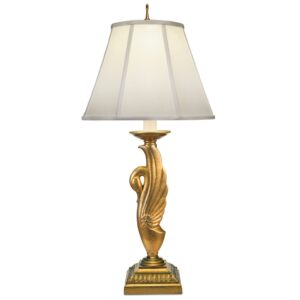
Baroque sculpture style interior design starts with a commitment to drama — and there is nothing wrong with that. The baroque tradition, developed in Rome in the early 17th century and spread across Catholic Europe, is the most emotionally intense design tradition in Western art history. It values movement over stillness, warmth over cool restraint, layered richness over minimal simplicity. Bernini’s Apollo and Daphne looks like it is about to move. His Ecstasy of Saint Teresa radiates supernatural heat. This is a tradition that wants to be felt, not just seen. The Aged Brass Ceramic Meadow Ombre Table Lamp ($289–$439) in warm aged brass and meadow ombre ceramic gives any room this quality of felt warmth — it belongs in the same context as a baroque-inspired figurative sculpture or a room built on baroque design values.
This guide covers the baroque sculpture style’s formal qualities, the rooms it suits, and how to apply baroque design principles in a contemporary interior without creating a 17th-century European palace. The goal is a room with baroque warmth, drama, and material richness — not baroque excess. Browse our sculptural table lamps for lamp designs that embody this quality of warm, resolved formal drama.
Baroque Sculpture Style: Defining Formal Qualities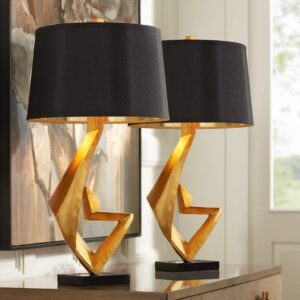
The baroque sculpture style is defined by four formal qualities. First: movement. Baroque figures are caught in motion — running, reaching, transforming, swooning — rather than in the classical state of composed repose. Second: drapery. Baroque sculptors use fabric as a sculptural material in its own right, carving folds that seem to flow and billow. Third: emotional intensity. Baroque work depicts extreme psychological states — ecstasy, anguish, triumph, despair — rather than the classical ideal of composed dignity. Fourth: material integration. Baroque compositions frequently combine marble, bronze, gilded wood, and painted stone in a single work, creating a visual richness that no single material could achieve alone. A room built on baroque design values applies these qualities: layered materials, warm colors, dramatic lighting, and art that communicates strong emotion. The Possini Euro Zeus Gold Leaf Modern Table Lamp ($319–$479) in gold leaf is the baroque-appropriate lamp — its formal weight and warm gold presence suit the richness of a baroque-tradition interior.
The baroque tradition’s geographic spread is relevant for understanding which types of sculpture suit its interior design aesthetic. Italian baroque (Bernini, Algardi) tends toward the most dynamic movement and extreme emotional states. Spanish baroque (Pedro de Mena, Juan Martinez Montanes) tends toward more restrained but deeply felt religious subjects. Northern baroque (Flemish wood carving, Dutch bronze work) tends toward smaller-scale, more domestic subjects with exquisite surface detail. Each suits a slightly different room context: Italian baroque work suits formal statement positions; Spanish baroque suits intimate private spaces; Northern baroque suits bookshelves and study settings. The Aged Brass and Ceramic Affogato Table Lamp ($289–$439) in aged brass and ceramic Affogato creates the warm, intimate lamp presence that Northern baroque-tradition work deserves beside it.
Baroque Sculpture Style Interior Design: How to Apply It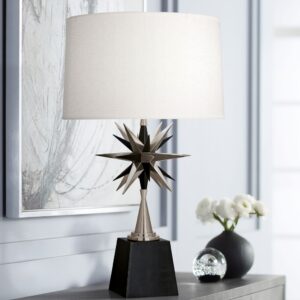
Applying baroque sculpture style interior design in a contemporary home does not mean recreating a 17th-century Roman church. It means applying the baroque’s underlying principles: warmth of materials, scale of objects, richness of layering, and dramatic rather than flat lighting. A baroque-inspired room has warm walls (deep ochre, warm terracotta, dark olive, aged ivory), furniture with carved detail and warm wood tones, fabric with texture (velvet, heavy linen, brocade), and lighting that creates pools of warmth rather than uniform illumination. A baroque-tradition figurative sculpture on the console, lit from the side by a warm lamp, creates the focal point that organizes all of this material richness into a composition. The Bronze Accent Table Lamp ($239–$359) in warm bronze accent is the lamp that creates this quality of side-lighting warmth beside a baroque-tradition piece.
Baroque design works in contemporary homes when applied with one level of restraint: choose one baroque-tradition sculptural object as the room’s primary art statement, and let everything else in the room be materially warm rather than decoratively complex. A room with one genuine baroque-tradition piece — even a quality reproduction — and warm surrounding materials (aged brass, warm wood, velvet) achieves the baroque atmosphere without the overwhelming complexity of a historically accurate baroque interior. Browse our table lamps collection for the full range of table lamps that suit baroque-tradition interior design.
For the complete guide to all types of sculpture styles and how they translate into interior design, see our sculpture styles guide.
Frequently Asked Questions
What is baroque sculpture style?
Baroque sculpture style, developed in 17th-century Rome, is characterized by movement (figures caught mid-motion), dramatic drapery, extreme emotional intensity, and integration of multiple materials. Bernini’s Apollo and Daphne and Ecstasy of Saint Teresa are its defining works. The baroque tradition spread across Catholic Europe in three regional variants: Italian (most dynamic), Spanish (more restrained and devotional), and Northern (smaller-scale, domestic, highly detailed).
How do you apply baroque design principles to a contemporary home?
Choose one baroque-tradition sculptural piece as the primary art statement, then build the room around warm materials rather than decorative complexity: deep warm wall colors, carved wood furniture, textured fabric (velvet, heavy linen), and warm pool lighting rather than uniform illumination. The baroque principle is warmth and drama, not excess — one great piece with warm surroundings achieves the atmosphere without overwhelming complexity.
What rooms suit baroque sculpture style?
Formal living rooms, dining rooms, and libraries are the primary contexts for baroque sculpture style interior design. Entry halls suit larger statement pieces. The baroque tradition requires warm materials and formal scale — it does not work in rooms with cool minimalist palettes or very low ceilings. A ceiling height of at least 9 feet allows baroque-tradition pieces to read at the scale they were designed for.