

Botanical Garden Sculpture Display Inspiration: Plant, Stone, and Art in Harmony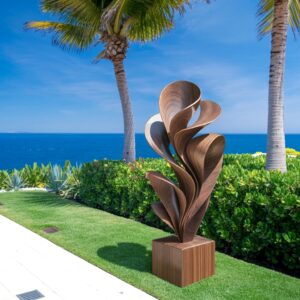
Botanical garden sculpture display inspiration comes from the world’s greatest garden-museum hybrids — places where art is placed in deliberate dialogue with the living plant world around it. The result is always more than the sum of its parts. A bronze bird sculpture at the edge of a lily pond becomes part of the pond’s ecosystem, not just decoration beside it. A stone abstract form emerging from a bed of ferns reads as though the natural world produced it. The High Hammock Pale Blue Ceramic Table Lamp ($319–$479) in pale blue ceramic carries this same quality of cool, clear light — the material color that reads as water and sky in any room near a garden.
This guide covers the principles of botanical garden sculpture display inspiration — how to place sculpture among living plants, how to create plant and sculpture compositions for home gardens, and how to bring botanical display principles into covered garden rooms and indoor spaces. Browse our table lamp collection for garden room lamp designs suited to plant-forward interiors.
Botanical Garden Sculpture Display Inspiration: Key Principles
The central principle in botanical garden sculpture display inspiration is material conversation: the sculpture and the plants should speak to each other rather than ignore each other. A polished chrome sphere in a naturalistic planting ignores the plant world around it. A cast stone figure partially covered in moss participates in the plant world. A ceramic bird among actual birds in a garden water feature creates a moment of double-take that is one of the most rewarding sculpture display effects available. The Aged Brass Ceramic Meadow Ombre Table Lamp ($289–$439) in warm organic meadow ombre participates in the botanical material conversation — its green-bronze ombre tone responds to the plant world rather than contrasting with it.
Nature-inspired sculpture art — works by artists like Andy Goldsworthy, whose site-specific pieces use leaves, ice, stone, and wood gathered from the immediate landscape — demonstrates the most extreme version of this plant-sculpture conversation. Goldsworthy’s work literally dissolves back into the landscape as seasons pass. At home scale, you don’t need to create ephemeral art — but the principle of choosing sculpture whose material references the plant world around it creates the same quality of resolved composition. Browse our floor lamp collection for floor lamp designs suited to plant-forward rooms with botanical sculpture at their center.
Plant and Sculpture Composition Principles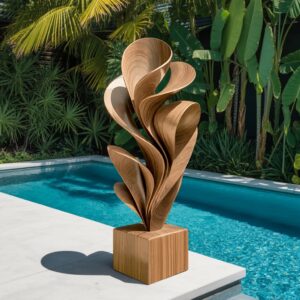
Creating a plant and sculpture composition in a home garden requires thinking about three relationships: the relationship of the sculpture to the planting behind it (background definition), the relationship to the planting beside it (framing), and the relationship to the ground cover in front (visual base). Each relationship serves a different function. Dense background planting makes the sculpture read clearly as a foreground object. Lateral framing planting focuses the sightline toward the sculpture. Ground cover at the base creates the visual separation between sculpture and ground that prevents the piece from appearing to have simply been placed on top of the garden.
Sculpture among plants reads best when at least one plant in the immediate composition shares a material reference with the sculpture. A dark iron sculpture beside a deep-green-leafed plant creates material harmony through color temperature. A pale stone figure beside grey-leafed ornamental grasses creates material harmony through tone. This is not a complicated principle — it is the same material temperature matching rule that applies to lamp and sculpture pairings indoors. The Adorno Natural and Beige Table Lamp ($239–$359) in natural beige at the garden room table creates the warm, quiet lamp companion for a botanical sculpture composition visible through the adjacent garden window.
Botanical Sculpture for Home Decor: Indoor Displays
The best botanical garden sculpture display inspiration translates into indoor home decor through the garden room — a covered space that connects the plant world to the interior. Indoor garden sculpture display in a conservatory, sun room, or plant-forward interior uses the same principles as outdoor botanical display: background definition, lateral framing, and ground-level separation. A ceramic bird sculpture among actual houseplants creates the same double-take effect as an outdoor bird sculpture among garden plants, at miniature scale.sculptural table lamps
Botanical sculpture for home decor in a non-plant room uses botanical material references rather than actual plants: a carved wood figure whose grain echoes leaf texture, a cast stone form whose surface has the roughness of bark, a ceramic glaze whose color reads as lichen or moss. These material references create the botanical atmosphere without requiring a plant-intensive room. The Mid Century Modern Green Ceramic Table Lamp ($339–$479) in sage green ceramic creates exactly this quality — the botanical color of the glaze brings the plant world into a room that may have only one or two plants beside it.
Garden Room with Sculpture Display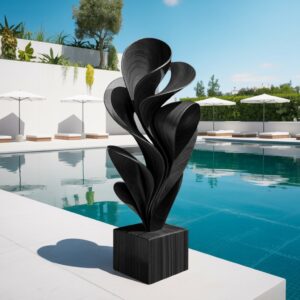
A garden room with sculpture display combines the indoor comfort of a covered space with the visual quality of an outdoor garden composition. The garden room lamp is the critical element: it must work both as functional indoor lighting and as a piece that bridges the indoor-outdoor material divide. Natural materials — earthy ceramic, warm brass, organic wood bases — suit garden rooms better than highly industrial or urban materials. The Adobe Brown Chisel Ceramic Table Lamp ($269–$409) in earthy adobe brown is the garden room lamp: its chisel-textured ceramic surface reads as stone, its warm tone reads as terra cotta, and it belongs equally in the room and at the garden’s edge.
Botanical garden sculpture display inspiration teaches one thing that purely architectural sculpture does not: that art is most powerful when it enters into genuine dialogue with its surroundings. The best botanical garden compositions feel as though they could not exist anywhere else. That is what distinguishes a curated botanical sculpture display from a garden that happens to have objects in it. Browse our full lamp collection for the garden room lamp designs that create this quality of material dialogue between interior and garden.
Frequently Asked Questions
How do you display sculpture among plants?
Think about three relationships: background (dense planting behind the sculpture makes it read clearly as a foreground object), lateral framing (plants beside the sculpture focus the sightline), and ground cover in front (creates visual separation from the ground plane). The sculpture and at least one nearby plant should share a material reference — color temperature, tone, or surface texture — to create botanical material harmony rather than simply placing an object in a garden.
What is botanical sculpture for home decor?
Botanical sculpture for home decor uses material references to the plant world rather than requiring actual plants in the display. Carved wood figures whose grain echoes leaf texture, cast stone forms with bark-rough surfaces, ceramic glazes in lichen or moss colors — all create botanical atmosphere through material reference. This approach brings the garden’s visual language into rooms that may not be plant-intensive.
How do you create a garden room with sculpture display?
The garden room lamp is the critical element — it must work as functional lighting and bridge the indoor-outdoor material divide. Choose natural materials: earthy ceramic, warm brass, organic wood-base lamps. Place sculpture in the sightline from the primary seating position, with the garden visible behind it through a window or door. Botanical plants in the same space reinforce the outdoor-indoor connection. The sculpture, the lamp, and the plants form a single composed moment.
What makes botanical garden sculpture great?
The material conversation between the sculpture and its plant surroundings. Great botanical sculpture participates in its plant context rather than sitting beside it — a cast stone figure developing moss, a bronze bird at the edge of a lily pond, a ceramic form emerging from ferns. The piece reads as though the natural world produced it, not as though it was installed beside the natural world. This quality of integration is what distinguishes a curated botanical display from a garden with objects in it.