

Cat Sculpture: From Ancient Egypt to Modern Home Decor
Cat sculpture has the longest unbroken history of any animal sculpture tradition in the world. In ancient Egypt, the cat was sacred — Bastet, the cat goddess, was one of the most widely worshipped deities in the Egyptian pantheon, and bronze cat figurines were produced in the hundreds of thousands as votive objects. The tradition has never really stopped: from Japanese maneki-neko lucky cat figures to Siamese cat bronzes in the English country house tradition to the sleek abstract feline forms of contemporary ceramics studios, the cat has remained one of the most consistently popular animal sculpture subjects in every era. Part of the appeal is formal: the cat’s body is one of the most resolved sculptural forms in nature — smooth planes, precise curves, a silhouette that is instantly recognizable and endlessly interpretable. A well-chosen sculpture beside the right sculptural table lamp creates one of the most intimate and personal interior compositions available.
This guide covers the main types and styles of sculpture for home use, from the ancient Egyptian tradition to contemporary ceramic studio work. It covers how to choose a sculpture for your room’s style and scale, how to display it, and how to pair it with a lamp that honors the sculpture’s quality without overwhelming it. The Aarna Black Table Lamp ($269–$409) in matte black — quiet, composed, and precise — is the lamp that most naturally accompanies a sleek contemporary sculpture.
The History and Tradition of Cat Sculpture
The Egyptian cat sculpture tradition produced some of the most formally perfect animal sculptures in human history. The seated Bastet cat — upright spine, tail wrapped precisely around the base, ears alert — is a form of almost mathematical resolution. Its proportions are so correct that it reads as contemporary despite being 2,500 years old. Egyptian cat bronzes and faience cat figurines from the Late Period are among the most collected ancient animal sculptures, and their formal qualities continue to influence contemporary sculpture design. The Aged Black Table Lamp ($269–$409) in aged black creates the dark, composed material register that suits an Egyptian-tradition sculpture in a room where antiquity and precision are the design values.
Contemporary ceramic cat sculpture has moved in two very different directions from this formal tradition. One direction is toward increasing formal abstraction — cats reduced to pure geometric suggestion, the minimum elements required for the animal to be recognizable. These abstract cat forms suit minimalist, contemporary, and Japandi interiors where restraint and form are the primary values. The other direction is toward expressive personality — cats caught in characteristic poses, sleeping, stretching, alert, or playful — that read as portraits of animal behavior rather than formal studies. These expressively posed sculptures suit eclectic, maximalist, and personality-driven rooms. The Aged Brass Ceramic Granite Table Lamp ($239–$359) in warm granite ceramic creates the quiet, warm lamp presence that works beside either direction of contemporary sculpture.
Cat Sculpture for Modern and Eclectic Interiors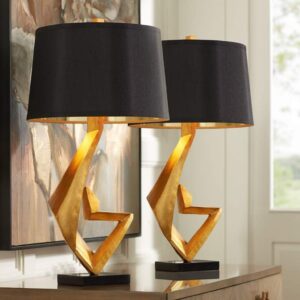
For a minimalist or contemporary room, choose a cat sculpture in a matte white, pale gray, or warm charcoal ceramic with a clean, simplified form. The sculpture should be a resolved geometric study of the cat’s essential posture — sitting, standing, or lying — without decorative surface treatment. Place it on a bookshelf between two books or on a clean white console with negative space on either side. The lamp should be equally restrained: the Aged Gunmetal Fluted Table Lamp ($299–$449) with its slim modern form and dark precise finish creates the contemporary material register that a minimalist sculpture belongs in.
For an eclectic or maximalist room, choose a sculpture with personality and expressive presence — a Siamese cat in a stretched posture, a fat ceramic cat in a bold glaze, or a bronze cat with visible surface texture and individual character. The Japanese maneki-neko lucky cat in its traditional white and gold form is the most cheerful and the most culturally resonant choice for a room that prioritizes warmth and personality over restraint. The Possini Euro Zeus Gold Leaf Modern Table Lamp ($319–$479) in gold leaf textured base creates the warm, expressive lamp companion for a room with a personality-driven sculpture at its center.
Displaying Cat Sculpture at Home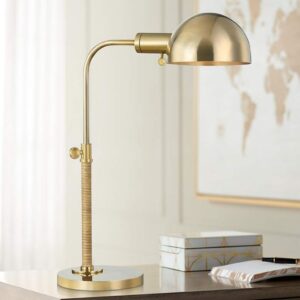
Cat sculpture is among the most bookshelf-appropriate of all animal sculpture subjects — it is naturally sized for shelf display (most sculptures are 6 to 16 inches), and the cat’s composed, settled quality means it does not need the visual drama of a full console to read correctly. Place a sculpture at the end of a shelf run, beside a small plant or a stack of books, with 3 to 4 inches of clear space on the sculpture side. The lamp on an adjacent surface should be scaled to the shelf, not to the room. The Adorno Natural and Beige Table Lamp ($239–$359) in natural beige is exactly this lamp: correctly scaled, warm, and unhurried.
For a console table or mantelpiece sculpture, choose a piece large enough to hold the surface — at least 10 to 14 inches in its largest dimension. A single sculpture on a wide console is best paired with a lamp on the opposite end and a small object (a vase, a candle, a small book) between them. The sculpture is the art; the other objects are the supporting cast. Light the cat from the side using the lamp, not from above — side light creates the shadow definition that reveals the sculptural form’s surface quality. The Aged Brass Dome Adjustable Desk Lamp ($269–$409) with its adjustable arm gives you precise control over the angle of light on a sculpture.
Browse our table lamps collection for sculptural lamps that complement sculpture. See our complete
Frequently Asked Questions
What is the history of cat sculpture?
Cat sculpture has the longest continuous history of any animal sculpture tradition. In ancient Egypt, the cat was sacred to Bastet, and bronze cat figurines were produced in the hundreds of thousands as votive objects. The seated Bastet cat remains one of the most formally perfect animal sculptures ever created. The tradition has continued through Japanese maneki-neko lucky cats, European country house Siamese bronzes, and contemporary ceramic studio cat forms in every style from geometric abstraction to expressive portraiture.
What material is best for cat sculpture?
Ceramic is the most versatile and most widely available material for sculpture. It suits the full range from minimalist matte forms to decorative folk art cats. Bronze suits the formal traditional and Egyptian-tradition sculpture. Carved stone and cast resin are also popular. The choice of material should match the room’s existing palette and style: matte white ceramic for minimalist rooms, warm bronze for traditional rooms, and colorful glazed ceramic for eclectic and personality-driven spaces.
Where is the best place to display cat sculpture?
Bookshelves are the most natural display position for cat sculpture — the sculpture is naturally scaled for shelf display, and the cat’s composed quality means it reads correctly beside books and plants without requiring additional space. For a console table, choose a piece at least 10 to 14 inches in its largest dimension, paired with a lamp at the opposite end. Light the cat from the side rather than above to reveal the surface texture and shadow definition of the sculptural form.
What does a lucky cat sculpture mean?
The Japanese maneki-neko (lucky cat) is a ceramic or resin cat figure with one paw raised, traditionally believed to bring good luck, prosperity, and customers to businesses and homes. A white and gold maneki-neko with the right paw raised is most commonly associated with good luck and prosperity; left paw raised attracts customers. The lucky cat is one of the most recognized cat sculpture traditions worldwide and suits eclectic, Asian-inspired, and personality-driven interiors.