

Glass Base Table Lamp in Blue: A Stunning Statement Piece for Any Room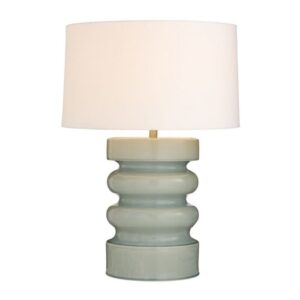
A glass base table lamp in blue is in a category of its own. Where a ceramic lamp base holds color in an opaque glaze, a glass lamp base does something fundamentally different: it holds color in three dimensions, refracts warm LED light through its walls, and creates a pool of colored illumination on the surface below it. The difference between a blue ceramic table lamp and a glass base table lamp in the same cobalt blue is the difference between wearing a blue shirt and holding a sapphire up to the light. At Exotic Decor USA, our blue glass and ceramic table lamps include the cobalt and brass expression of this category — and this guide covers every blue glass lamp variant, where it works best, and how to pair it.
What Makes a Glass Base Table Lamp Different from Ceramic
The defining property of a glass base table lamp is light interaction. Glass is translucent to varying degrees — some glass is nearly transparent, some is deeply colored and dense. When warm LED light passes through or reflects off a colored glass base, the glass itself becomes a secondary light source: the warm white bulb illuminates the glass from within, and the glass projects its color onto the surface below and the wall behind.
- Transparent or semi-transparent glass: Light passes through the glass body, illuminating it from within and projecting a subtle color wash onto the surrounding surfaces. Cobalt glass creates a blue-tinted glow on the lamp table surface; pale aqua glass creates a cool, watery shimmer. This effect is most dramatic in a dark room or at night, and is the primary reason buyers choose glass over ceramic for a statement lamp.
- Mercury glass: Silvered from within,
- Frosted or etched glass: A frosted
- Ceramic-adjacent textured glass: Some glass bases are hand-blown or textured to approximate the surface quality of ceramic — organic surface variation, slight irregularity, and visible tool marks. These bridge the glass and ceramic categories and suit organic modern and bohemian rooms where material authenticity is valued.
The Blue Glass Lamp Spectrum
Cobalt Blue Glass: The Most Dramatic Expression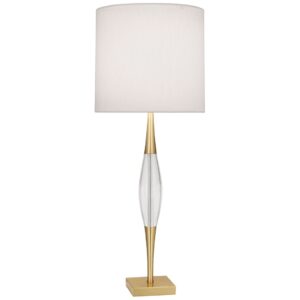
Cobalt is the deepest, most saturated, and most historically significant blue in glass design. Chinese export porcelain, Delftware, Venetian glass, and Tiffany-style stained glass all use cobalt as the primary blue pigment — it has five centuries of authority in decorative arts. A cobalt glass base table lamp creates the maximum blue lamp impact: the deep, saturated base beside warm brass hardware creates an immediate jewel-toned statement that suits maximalist, art deco, and eclectic rooms.
Our Cobalt and Natural Brass Table Lamp ($269–$409) is the definitive cobalt glass base table lamp in our collection — a deep saturated cobalt glass body with natural brass hardware. The brass frames the cobalt perfectly: warm metal against cool glass, creating the chromatic tension that makes the lamp impossible to ignore. The lamps brass table hardware is the essential complement to any cobalt glass base, and this piece demonstrates exactly why.
Pale Blue and Aqua Glass: The Coastal Expression
At the pale end of the blue glass spectrum, a light blue table lamp in glass — pale aqua, sea glass, or sky blue — creates a different kind of statement: airy, coastal, and luminous rather than jewel-toned. A pale aqua glass base beside a white shade produces a quiet shimmer as the light catches the glass at different angles throughout the day. This is the coastal table lamp expression — the color of sea glass found on a beach rather than a sapphire held to the light.
For the pale blue ceramic equivalent — same color family but opaque rather than glass — our High Hammock Pale Blue Ceramic Table Lamp ($319–$479) shows the same sea glass blue in a hand-glazed ceramic that catches warm light across its surface without the full transparency of glass. For buyers who want the pale blue color without the glass’s light-projection quality, this is the ceramic alternative.
Mercury Glass in Blue-Silver: The Glamour Expression
A mercury glass table lamp in a blue-silver or antique mirror finish creates the most glamorous of all glass base expressions. Mercury glass has a silvered interior that reflects warm LED light back through the colored glass exterior — the effect is shimmer, depth, and visual richness that shifts as light conditions change throughout the day. Mercury glass table lamp bases suit Hollywood Regency, glamour, and art deco rooms, where the lamp is expected to contribute visual sparkle as a design object.
For the darkest, most moody glass expression: a deep indigo or midnight blue glass base in a mercury-silvered finish creates a lamp that reads dramatically different in daylight (dark, jewel-toned, dense) versus lamplight (warmly luminous, shimmering). This is the antique crystal table lamps adjacent category — blue glass that has the light-refracting quality of crystal without the full prismatic dispersion.
Where Blue Glass Table Lamps Work Best
The Maximalist Living Room
A cobalt glass base table lamp on a living room console or end table in a maximalist room — jewel-toned upholstery, warm wood, layered textiles — creates the jewel-on-jewel relationship that a maximalist room rewards. Position the cobalt lamp where it catches the primary light source at an angle: the glass body will illuminate from within, projecting a blue cast onto the surface below that creates a second visual element. Pair with a gold table lamp elsewhere in the room to create the blue-and-gold combination that has been a fixture in American maximalist interior design since the Art Deco period.
For a living room console table with a long surface: two cobalt glass base table lamps flanking a mirror double the visual impact through reflection — the mirror creates the impression of four cobalt glass columns, turning a simple console arrangement into a dramatic composition. Console table lamps in glass have been used in this bilateral-with-mirror configuration since the early twentieth century for exactly this reason.
The Bedroom Nightstand
For a bedroom application, the question is which blue glass tone suits the room palette. A cobalt glass base table lamp suits a maximalist, jewel-toned, or dark academic bedroom — the same rooms where cobalt ceramic lamps work, but with the added light-projection quality of glass. A pale aqua glass base suits a coastal or organic modern bedroom where the light quality (soft, airy, daytime-appropriate) matches the room’s atmosphere.
For a matched pair on either nightstand: choose a glass lamp with consistent color depth across both pieces — hand-blown glass in cobalt can vary significantly in color density between pieces. If possible, purchase from the same production batch. For the matched pair requirement in a bedroom, blue ceramic table lamps are more consistent for matching than hand-blown glass — the ceramic glaze is more uniform across production batches than glass color depth.
The Coastal or Bohemian Space
A pale blue or sea glass base table lamp in a coastal or bohemian room — warm wood, rattan table lamp elements elsewhere, natural linen, dried botanicals — creates the water-adjacent quality that defines the coastal aesthetic at its most sophisticated. The glass base catches warm light and creates a subtle shimmer that reads as natural rather than glamorous — the effect of sunlight through pale water rather than a jewel case. A wicker table lamp or rattan piece elsewhere in the room provides the organic contrast that grounds the glass lamp in the coastal material palette without making it read as too polished.
Pairing Rules for Blue Glass Table Lamps
- Always use brass or warm gold hardware: Blue glass and warm metallic hardware are the defining pairing for this category. Bronze table lamps and brass table lamp hardware beside blue glass create the warm-cool contrast that makes the glass read as jewel-toned. Cool hardware (silver, chrome, nickel) beside blue glass creates a cold, flat composition that eliminates the lamp’s drama. The silver table lamp hardware exception: in a very pale lavender or ice blue glass lamp, cool silver hardware can work if the room is cool-dominant throughout — but even then, aged brass is more forgiving.
- White drum shade only: A glass base table lamp in blue paired with a colored or dark shade creates unexpected color mixing at the base-shade junction. A white drum shade maximizes light transmission through the glass base (the light from the bulb illuminates the glass body from above) and creates the clean contrast that lets the blue glass read as a jewel. A paper table lamp shade or a frosted shade reduces the light reaching the glass body and dims the lamp’s central effect.
- One blue glass lamp per room composition: A cobalt glass base table lamp is visually powerful enough to be a singular accent. Two cobalt glass lamps in the same room can overwhelm the composition unless they are a deliberate matched pair on identical surfaces. In a living room or eclectic bedroom, use the blue glass lamp as the single chromatic accent and echo the blue in one supporting object — a blue cushion, a blue-spined book, or a small blue ceramic piece on the same surface.
- Place on a surface that benefits from the color projection: A cobalt glass lamp on a dark walnut surface loses the color projection effect — the deep wood absorbs the blue cast rather than reflecting it. For maximum glass lamp effect, place on a white, cream, or pale marble surface where the blue light projection from the glass body is visible and becomes a deliberate design element.
Blue Glass Table Lamp Types: Quick Reference
| GLASS TYPE | VISUAL QUALITY | MOOD | BEST ROOM | PAIR WITH |
| Cobalt transparent glass | Deep blue — illuminates from within at night | Jewel-toned, dramatic, rich | Maximalist, art deco, eclectic, jewel-toned bedroom | Brass hardware, cream shade, warm wood |
| Pale aqua / sea glass | Soft blue-green shimmer — airy and luminous | Coastal, airy, naturalistic | Coastal bedroom, organic modern, transitional | Natural brass, white drum shade, rattan |
| Mercury glass blue-silver | Silvered shimmer — reflects warm light in all directions | Glamorous, glittering, statement | Hollywood Regency, glam, maximalist living room | Gold hardware, mirrored surface, velvet |
| Frosted blue glass | Soft diffused glow — quiet, restrained luminosity | Calm, restrained, Scandi-adjacent | Minimalist, Japandi, Scandinavian rooms | White oak, linen shade, pale palette |
| Hand-blown textured blue | Organic surface variation — material authenticity | Artisan, bohemian, eclectic | Bohemian, eclectic, organic modern rooms | Rattan, warm wood, dried botanicals |
Browse our blue glass and ceramic table lamps at Exotic Decor USA. For the complete blue lamp guide, see our blue bedroom lamps complete guide and our navy blue lamps styling guide. For master bedroom glass lamp picks, see our master bedroom table lamp guide. Email info@exoticdecor.us Monday–Saturday, 10:00 AM–8:00 PM for personalized blue glass lamp recommendations.
Frequently Asked Questions About Blue Glass Table Lamps
What is the difference between a glass base table lamp and a ceramic table lamp?
A glass base table lamp and a ceramic table lamp both hold color in their base material, but they interact with light differently. A ceramic base holds color in an opaque glaze — the color is visible but does not transmit light. A glass base transmits or refracts light through its body — when warm LED light illuminates a cobalt glass base, the glass glows from within and projects a colored light onto the surface below. This light-projection quality is the defining advantage of a glass base over ceramic, and the primary reason buyers choose glass for a statement lamp. Glass also creates a shimmer quality that changes as the light angle shifts throughout the day, which ceramic cannot replicate.
What shade color should I use with a blue glass table lamp?
A white drum shade is the most universally correct choice for a blue glass table lamp. The white shade allows maximum light from the bulb to pass downward through the shade and upward into the glass base — both effects are desirable. A colored shade would create unexpected color mixing at the shade-base junction. A paper or frosted shade reduces the light reaching the glass body, dimming the lamp’s central light-projection effect. Keep the shade white and let the blue glass base be the sole chromatic statement.
Where should I place a cobalt glass table lamp?
A cobalt glass table lamp works best on a pale or white surface — cream console, white marble top, pale stone surface — where the blue light projected from the glass body is visible and becomes a design element. It also works exceptionally well flanking a mirror, where the glass column is reflected and doubled. In a bedroom, a cobalt glass lamp on a pale nightstand surface creates the maximum jewel-toned effect. Avoid placing on a dark wood surface where the color projection is absorbed rather than reflected.
Is a blue glass table lamp suitable for a bedroom?
Yes — with the correct shade of blue for the room palette. A cobalt glass lamp suits maximalist, art deco, and jewel-toned bedrooms where drama is the design intention. A pale aqua or sea glass lamp suits coastal, organic modern, and transitional bedrooms where the blue is an airy, naturalistic accent. A mercury glass lamp in blue-silver suits glamorous and Hollywood Regency bedrooms. Avoid cobalt glass in minimalist or Scandi bedrooms where the saturation creates visual tension rather than jewel-toned drama.