

How to Clean and Maintain Your Table Lamp Properly
Knowing how to clean a table lamp correctly is the difference between a lamp that looks as good at five years as it did on day one and one that gradually dulls, tarnishes, or cracks from improper maintenance. Table lamps — particularly artisan pieces in ceramic, brass, crystal, marble, and natural materials — require care that is specific to their material. The wrong cleaning product on a brass table lamp base can strip its patina; too much moisture on a wooden table lamp can cause warping; an abrasive cloth on a crystal table lamp can permanently scratch the surface. At Exotic Decor USA, every lamp in our table lamps collection is an investment piece — and this guide gives you the exact care instructions for every material type we work with.
Before You Start: Universal Safety Rules
Apply these rules to every table lamp before beginning any cleaning:
- Always switch off and unplug the lamp before cleaning. This is a non-negotiable electrical safety requirement — not just a precaution.
- Allow the bulb to cool completely before touching any part of the lamp. Halogen and incandescent bulbs can reach 250–300°F after extended use. LED bulbs run much cooler but still require 5 minutes to cool after switching off.
- Never spray cleaning products directly onto the lamp — always apply to the cloth first. Liquid sprayed directly onto a base can seep into the socket, wiring, or porous materials.
- Dust before wet cleaning — always remove loose dust with a dry soft cloth or brush before applying any moisture. Wet cleaning over dust embeds particles into the surface.
Cleaning by Material: The Lamp Base
Ceramic and Terracotta Table Lamps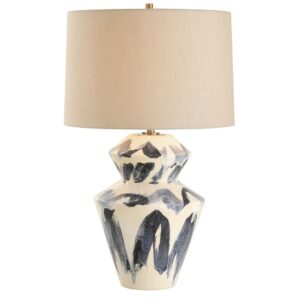
Ceramic table lamps and terracotta table lamps are among the most durable bases available. High-fire glazed ceramic is non-porous and easy to clean — a soft, damp cloth with a tiny amount of mild dish soap removes most dust, fingerprints, and light marks. For hand-thrown pieces with textured or unglazed sections, use a soft dry brush (a clean paintbrush works well) to remove dust from the recessed texture without introducing moisture into raw clay areas.
The Adobe Brown Chisel Ceramic Table Lamp ($269–$409) is a hand-chiselled piece with a textured surface — use a dry soft brush on the chisel marks and a barely damp cloth on the smooth glazed sections only. Never submerge ceramic bases in water; the base’s interior cavity may not be waterproof.
Brass, Bronze, and Copper Table Lamps
Brass table lamps, bronze table lamps, and copper table lamps require the most careful material-specific care. Aged and antique brass finishes develop a natural patina — a slight darkening of the surface — that is part of the lamp’s character. Do not attempt to polish aged brass to a mirror shine — you will remove the patina permanently. Wipe aged brass with a barely damp cloth and dry immediately. For polished brass, a small amount of brass polish (Wright’s Brass Polish or similar) on a soft cloth, applied lightly and buffed dry, maintains the shine without stripping the finish.
Never use abrasive cleaners, steel wool, or acidic products (lemon juice, vinegar) on any brass, bronze, or copper surface — all will scratch or chemically etch the finish permanently.
Crystal and Glass Base Table Lamps
Crystal table lamps and antique crystal table lamps need regular dusting to maintain their light-refracting quality — dust on crystal facets significantly reduces the prismatic effect that makes these lamps beautiful. Use a lint-free microfibre cloth (the same type used for eyeglasses or camera lenses) to wipe each facet. For more thorough cleaning, a very small amount of glass cleaner on the cloth — never sprayed directly — removes fingerprints and water spots without leaving residue.
A mercury glass table lamp base has a metallic silver coating on its interior surface that is fragile — handle with care, avoid moisture on any chips or scratches in the glass, and never use abrasive cloths on the exterior surface.
Wood and Rattan Table Lamps
Wooden table lamps, wood base table lamps, and rattan table lamps require the most moisture-cautious approach of any lamp material. Wood is porous and can warp, swell, or crack if exposed to excess moisture. Dust regularly with a dry soft cloth. For light marks on a sealed or lacquered wood base, a barely damp cloth with mild soap, followed by immediate drying, is safe. For rattan and woven grass bases, use a dry brush or a low-power vacuum attachment to remove dust from the woven gaps without introducing moisture.
Never place wood or rattan lamps in direct sunlight for extended periods — UV exposure causes fading, bleaching, and eventual cracking of natural wood fibres. The Adorno Natural and Beige Table Lamp ($239–$359) has a natural texture base — keep it out of humid bathrooms or kitchen spaces where moisture cycling can affect the material over time.
Marble, Stone, and Travertine Table Lamps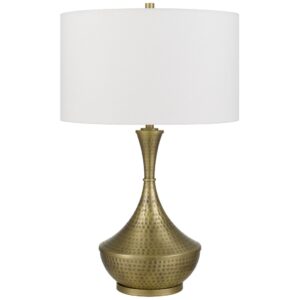
Marble table lamps, stone table lamps, and travertine table lamps are porous natural stone surfaces that absorb liquids — particularly acidic ones — permanently. Wipe with a barely damp cloth and dry immediately. Never use acidic cleaners (vinegar, lemon-based products) on any marble or stone surface — they etch and dull the surface irreversibly. For sealed marble, occasional application of a dedicated marble sealer (available at hardware stores) protects the surface from moisture absorption. For unsealed travertine bases, a dry soft cloth only.
Metal, Industrial, and Black Metal Table Lamps
Modern black table lamps, black metal table lamps, and metal table lamps in matte or painted finishes are the easiest category to clean — a soft damp cloth removes dust and fingerprints without any cleaning product required. For chrome or polished silver finishes, a glass cleaner on a microfibre cloth prevents water spots. For industrial table lamps with a cage or open metal frame, a dry brush removes dust from the cage structure without requiring moisture near the socket.
Cleaning Your Table Lamp Shade
Fabric Shades (Drum, Empire, Linen)
Fabric shades accumulate dust quickly and should be dusted at least monthly. Use a soft dry brush, a clean soft paintbrush, or the upholstery attachment of a handheld vacuum on its lowest power setting — brush gently from top to bottom in downward strokes. Avoid applying water to fabric shades unless the manufacturer specifies the fabric is washable — most lamp shade fabrics shrink, wrinkle, or lose their shape when wetted.
For spot cleaning a fabric shade, a dry cleaning solvent (Dryel or K2r) applied sparingly to the mark — not rubbed, blotted — and allowed to dry completely is the safest option for most fabric types. Always test on a hidden area of the shade first.
Stained Glass Shades (Tiffany Style)
Tiffany table lamps and stained glass table lamps require the most careful shade cleaning. Dust the glass panels with a dry soft cloth or dry paintbrush. For fingerprints on the glass panels, a tiny amount of glass cleaner on a cloth — applied carefully to avoid the lead-line solder between panels — removes marks without leaving residue. Never apply moisture to the lead-line solder connections — they can oxidise or weaken if repeatedly wetted.
Rattan and Paper Shades
Rattan and paper table lamp shades — common on japanese table lamps and bohemian accent lamps — are fragile and moisture-sensitive. Dry dusting with a soft brush is the only recommended cleaning method. Never apply water to a paper shade; it will warp, buckle, or tear. Rattan shades can be gently brushed with a dry paintbrush to remove dust from the woven structure.
Table Lamp Care Quick Reference
| MATERIAL | RECOMMENDED METHOD | NEVER USE |
| Glazed ceramic / terracotta | Damp cloth + mild soap; dry brush for texture | Abrasive cloths, submerging in water |
| Aged brass/bronze/copper | Barely damp cloth, dry immediately; polish only if a polished finish | Acidic cleaners, abrasives, vigorous polishing of aged patina |
| Crystal/glass base | Lint-free microfibre cloth; glass cleaner on cloth only | Spraying directly, abrasive cloths |
| Mercury glass | Dry microfibre cloth only; handle with extreme care | Any moisture near chips, abrasives |
| Wood/rattan | Dry soft cloth; barely damp, only for sealed wood | Excess moisture, direct sunlight, and humid environments |
| Marble/stone/travertine | Barely damp cloth, dry immediately; marble sealer annually | Acidic cleaners (vinegar, lemon), abrasives |
| Matte black / painted metal | Damp soft cloth, no cleaning product needed | Abrasive cloths or pads, solvent cleaners |
| Fabric shade | Dry brush or low-power vacuum; dry cleaning solvent for spots | Water — most fabrics not washable |
| Tiffany / stained glass shade | Dry cloth on glass; glass cleaner on cloth only | Moisture on lead-line solder |
| Paper/rattan shade | Dry paintbrush only | Any moisture whatsoever |
Browse our table lamps collection — every product listing includes the material of both the base and the shade, giving you the information you need to plan your care routine before the lamp arrives. All orders ship free across the US via DHL, FedEx, or UPS with 1–2 business days processing. Contact info@exoticdecor.us Monday–Saturday, 10:00 AM–8:00 PM for material-specific care questions.
Frequently Asked Questions About Cleaning Table Lamps
How often should I clean my table lamp?
Dust your table lamp base and shade at least once per month — more frequently in high-traffic rooms, open-plan spaces, or homes with pets. Monthly dusting prevents dust from building up into a layer that requires wet cleaning. A thorough wet clean of the base (using the correct method for its material) should be done every three to six months, or whenever you notice marks, fingerprints, or visible soiling. Stained glass and crystal shades benefit from more frequent dry dusting — every two weeks — because dust on faceted surfaces visibly reduces the lamp’s light output.
Can I use vinegar to clean a brass table lamp?
No — never use vinegar or any acidic cleaner on a brass table lamp. Vinegar etches brass, particularly on aged and patinated finishes, creating permanent dull spots and removing the surface’s natural character. For aged brass, a barely damp cloth and immediate drying is sufficient. For polished brass that has lost its shine, a dedicated brass polish product (Wright’s Brass Polish or Brasso, applied sparingly and buffed dry with a soft cloth) is the correct approach. The same rule applies to bronze and copper — no acids, no vinegar, no lemon-based products.
How do I remove dust from a Tiffany lamp shade?
Use a dry, very soft cloth or a dry, clean paintbrush to dust each glass panel individually. Brush gently in a single direction across the glass surface, working methodically around the shade. For fingerprints on the glass panels, apply a tiny amount of glass cleaner to a soft cloth and wipe the glass surface only — never apply moisture directly to the lead-line solder connections between panels, as repeated moisture exposure can cause oxidation and eventual weakening of the solder. Never use paper towels or rough cloths on stained glass — they can scratch the surface.
What is the safest way to clean a marble table lamp base?
Wipe with a barely damp cloth and dry immediately. Marble is a porous natural stone that absorbs liquids — including water — which can cause staining if left on the surface. Never use acidic cleaners (vinegar, lemon juice, lime-based products) on marble — they etch the surface permanently, creating dull patches that cannot be reversed without professional re-polishing. For ongoing protection, apply a dedicated marble sealer once or twice per year following the product manufacturer’s instructions. This creates a protective barrier that reduces the risk of absorption staining from accidental spills.