

Mid Century Modern Sculpture for Home: Noguchi, Calder, and the Organic Form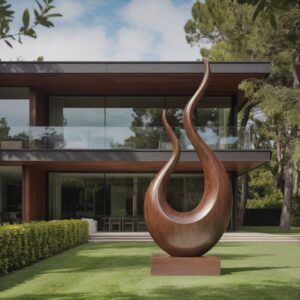
Mid century modern sculpture for home is experiencing a revival that shows no sign of slowing. The organic forms of Noguchi, the playful kinetics of Calder, the wire compositions of Bertoia — these are works that were designed for interiors, not just galleries, and they read in a contemporary home with the same naturalness they had in the post-war American living room. The Aged Brass Metal Modern Accent Table Lamp ($339–$509) in slim aged brass with clean architectural lines is the lamp for this tradition — it is from exactly the same design moment as the great MCM studio objects, and it belongs in any room organized around mid-century modern design values.
This guide covers the key characteristics of mid-century modern sculpture for home, the artists and forms that define the tradition, and how to choose and display MCM sculptural objects in a contemporary home. Browse our table lamps collection for the full range of lamp designs that suit mid-century modern interiors.
Mid Century Modern Sculpture for Home: Key Characteristics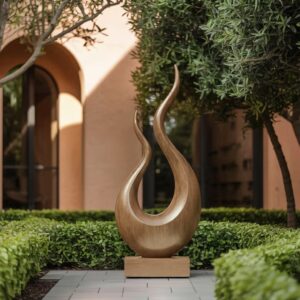
MCM sculpture style is defined by the relationship between natural organic form and industrial material. Noguchi’s stone sculptures look like geological formations — organic, heavy, shaped by natural forces — but their placement and proportion are deliberate design decisions. Calder’s mobiles use industrial wire and sheet metal to create forms that reference natural movement — leaves in wind, fish in water — while remaining purely abstract. Bertoia’s wire sculptures are somewhere between furniture, sculpture, and music: their primary quality is the sound they make when touched, which puts them at the intersection of art and experience. What all of these share is the refusal to choose between the natural and the industrial — they make both simultaneously. The Mid Century Modern Green Ceramic Table Lamp ($339–$479) in sage green ceramic captures this same MCM quality: an organic color from nature in a resolved manufactured form.
Mid century modern sculpture for home also tends toward a particular scale relationship with its surroundings. Unlike classical sculpture, which operates at a scale slightly larger than human, MCM objects tend to be in intimate scale dialogue with the furniture and objects around them. A Noguchi coffee table is furniture and sculpture simultaneously. A Calder mobile is sized for a domestic ceiling height, not a gallery. This domestic scale is part of why mid-century modern design translates so naturally into contemporary home interiors: it was designed for homes, not museums. Browse our floor lamp collection for the complete range of table and floor lamps designed at this domestic scale.
Mid Century Modern Sculpture for Home: Choosing and Displaying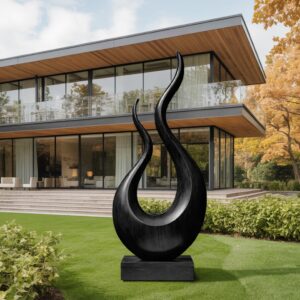
Authentic mid-century modern noguchi sculpture by major artists — Noguchi, Calder, Bertoia — commands significant prices at auction and through estate sales. For most home interiors, the more practical approach is MCM-influenced ceramic sculpture from contemporary studio makers, cast resin reproductions of classic forms, or original MCM-tradition pieces from secondary markets. Look for these formal qualities: organic curved forms (not geometric), natural materials handled honestly (stone, ceramic, wood, steel wire), a visible relationship between the object’s form and natural forces (growth, water, wind), and a scale that suits the domestic surface it will occupy. The Cobalt and Natural Brass Table Lamp ($269–$409) in cobalt glass with natural brass brings this MCM quality of a natural material in a refined manufactured form to lamp scale.
Display MCM sculptural objects on warm wood surfaces — teak, walnut, oak — rather than glass or lacquer. The natural wood creates the material dialogue between organic form and honest industrial craft that defines the MCM aesthetic. Keep the surface clear except for the calder mobile sculpture and a single lamp. Group MCM objects in odd numbers (three, five) if you want multiple pieces — odd numbers read as curated, even numbers read as collected. The Aarna Black Table Lamp ($269–$409) in matte black creates the quiet, precisely resolved lamp presence for a contemporary MCM-influenced room where the sculptural object is the primary statement.
For the complete guide to all sculpture styles from classical Greek to contemporary abstract and how they suit different home design traditions, see our sculpture styles guide.
Frequently Asked Questions
What is mid century modern sculpture?
Mid-century modern sculpture (roughly 1940–1970) is characterized by organic forms that reference natural subjects while remaining abstract, the combination of natural and industrial materials, and a scale designed for domestic rather than gallery contexts. Key artists include Isamu Noguchi (stone sculpture), Alexander Calder (wire mobiles), and Harry Bertoia (wire sculptures). It is distinguished from earlier abstract traditions by its explicit design for living spaces.
How do you display MCM sculpture at home?
Display on warm wood surfaces (teak, walnut, oak) rather than glass or lacquer. Keep the surface clear except for the sculpture and one lamp. Group multiple pieces in odd numbers — three or five — which reads as curated rather than collected. The lamp should have the same MCM quality of natural material in a resolved form: organic color palette, honest material, clean lines without decorative excess.
What rooms suit mid century modern sculpture?
Mid-century modern sculpture suits MCM interiors (obviously), but also contemporary, Japandi, and organic modern rooms where natural materials and honest construction are the design vocabulary. It suits warm wood surfaces most naturally. It does not work in formal classical rooms or baroque interiors — the MCM tradition’s casual domestic quality conflicts with those traditions’ formal dignity.