

Sculpture Gardens Guide for Art and Travel: The World’s Greatest Outdoor Galleries
This sculpture gardens guide for art and travel covers the most important outdoor sculpture destinations in the world, explains what makes each one exceptional, and helps you plan a visit that goes beyond the typical tourist checklist. Sculpture gardens are different from indoor museums. The scale is bigger, the relationship between art and landscape is central to the experience, and the light changes everything — a piece that reads one way at noon reads completely differently at golden hour. Our sculptural table lamp collection is designed for the room that brings this kind of outdoor sculptural thinking indoors.
The world’s great sculpture gardens share a common quality: every placement decision was intentional. No piece sits where it sits by accident. Understanding these placement decisions — why a particular sculpture terminates a particular sightline, why a specific material suits a specific landscape position — transforms a visit from passive tourism into active design education. Browse our floor lamp collection for lamp designs informed by the same principles of material intentionality.
Sculpture Gardens Guide for Art and Travel: The World’s Best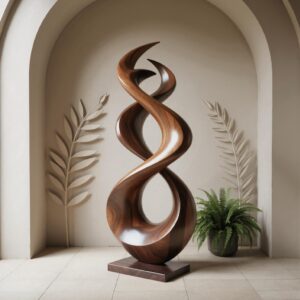
No sculpture gardens guide for art and travel can start anywhere except Storm King Art Center in Orange County, New York. Storm King is 500 acres of rolling Hudson Valley landscape populated with major works by Alexander Calder, Mark di Suvero, Richard Serra, Andy Goldsworthy, and Maya Lin, among dozens of others. Each work is sited in dialogue with its specific landscape position. Serra’s “Schunnemunk Fork” uses the hillside as much as the steel. Goldsworthy’s “Storm King Wall” threads through the landscape, responding to trees and terrain. Storm King is the standard by which all other sculpture parks are measured. The Bronze Accent Table Lamp ($239–$359) in warm bronze accent belongs in the garden room adjacent to a visit like this — the material warmth mirrors what great outdoor bronze achieves in that landscape.
Famous sculpture gardens worldwide beyond Storm King include the Hakone Open-Air Museum in Japan, the Kroller-Muller Museum in the Netherlands (which holds the world’s largest private Rodin collection in an outdoor setting), the Yorkshire Sculpture Park in England, and the Louisiana Museum of Modern Art in Denmark. Each demonstrates the same principle: great outdoor sculpture requires great landscape context. The art and the setting are inseparable. Art travel destination sculpture is most rewarding when the journey to the place is itself part of the aesthetic experience. The Adorno Natural and Beige Table Lamp ($239–$359) in warm natural beige creates the quiet, reflective lamp presence that suits the evenings after days spent in major sculpture parks.
US Sculpture Parks to Visit: The Essential List
US sculpture parks to visit beyond Storm King include the Nasher Sculpture Center in Dallas (outstanding collection in a small urban garden by Renzo Piano), the Frederik Meijer Gardens and Sculpture Park in Grand Rapids (Michigan’s most visited cultural attraction), and the Grounds for Sculpture in Hamilton, New Jersey, founded by artist Seward Johnson on a former state fairgrounds. The Madison Sculpture Park in Wisconsin is smaller but brilliantly curated. The public sculpture park guide these sites collectively provide covers everything from Rodin bronzes to contemporary site-specific installations. The Aged Brass Ceramic Meadow Ombre Table Lamp ($289–$439) in warm organic meadow ombre creates the garden-adjacent lamp tone that suits a home room designed for art collectors who visit these parks.
The Getty Center’s gardens in Los Angeles, while not a dedicated sculpture park, contain significant works in a Robert Irwin-designed landscape that is itself an artwork. The sculpture garden at the Museum of Modern Art in New York — though small — holds some of the most important modern sculptures in any public collection. Both reward multiple visits. Browse our table lamp collection for the full range of table lamp designs suited to rooms that function as galleries for collectors who travel for art.
Outdoor Sculpture Installation: Principles That Apply at Home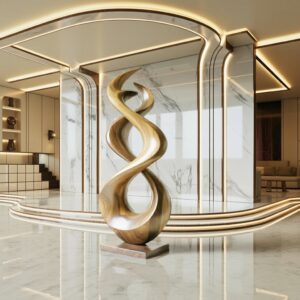
Understanding outdoor sculpture installation principles from great sculpture gardens translates directly into home garden design. The first principle: every sculpture needs a sightline terminus. Position the piece at the end of a path, a lawn axis, or a garden bed run — not in the middle of open space. The second principle: scale to surroundings. A piece that reads correctly against a large tree needs to be larger than a piece beside a low border. The third principle: material integration. Cast stone and bronze integrate into the landscape over time; painted resin does not. The Adobe Brown Chisel Ceramic Table Lamp ($269–$409) in earthy adobe brown at lamp scale applies this material integration principle indoors — the ceramic’s natural tone sits into the room as naturally as a stone sculpture sits into a garden.
The fourth outdoor sculpture installation principle is lighting. The world’s best sculpture parks manage natural light — they position pieces to catch morning or afternoon sun at specific angles, and in some cases add subtle after-dark lighting that completely transforms the visitor experience. Great garden sculpture looks different at dawn, noon, and dusk. Understanding this quality of light-responsiveness is what separates a curated garden from a garden that happens to have sculpture in it. Browse our floor lamp collection for the lamp designs that bring this light-intentionality principle into covered garden rooms and interior spaces adjacent to outdoor sculpture.
This sculpture gardens guide for art and travel is also a practical planning resource. Visit garden sculpture parks on weekdays when possible — weekend crowds at Storm King and Grounds for Sculpture can reduce the quality of the experience significantly. Early morning arrivals at parks with natural landscape settings get the best light conditions and the smallest crowds. Most major sculpture parks in the US are ticketed; Storm King requires advance booking for peak season dates. The Mid Century Modern Green Ceramic Table Lamp ($339–$479) in sage green ceramic is the lamp for the garden room where you plan these visits — the botanical color creates the right indoor-outdoor atmosphere.
Garden Sculpture Collection: Building Your Own Outdoor Gallery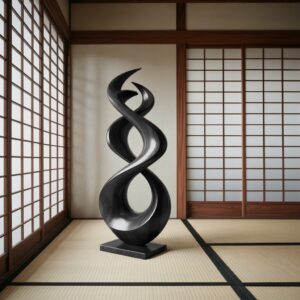
A garden sculpture collection does not require the scale of Storm King. It requires the same design intentionality at whatever scale your garden allows. Start with one primary focal point piece in the best natural viewing position — the end of the garden’s main axis, visible from the primary outdoor seating area. Add secondary pieces only after the primary piece is established and working. Each addition should respond to what is already there, not simply fill available space. The Aged Gunmetal Fluted Table Lamp ($299–$449) in warm gunmetal creates the covered outdoor lamp that anchors a garden room designed around a serious sculpture collection.
Material consistency in a garden sculpture collection matters more than material uniformity. You do not need every piece in the same material. You need every piece to belong to the same material temperature — all warm (bronze, cast stone, warm terracotta) or all cool (stainless steel, pale limestone, grey concrete). Mixed material temperatures create visual noise that makes a garden collection feel assembled rather than curated. Browse our table lamp collection for the complete range of garden-adjacent lamp designs that extend indoor sculptural thinking to covered outdoor spaces.
Sculpture Garden Visit Tips for First-Time Visitors
Sculpture garden visit tips for first-time visitors: wear comfortable walking shoes — Storm King alone covers 5 miles at a full circuit pace. Bring a map but leave yourself time to discover pieces not on the planned route. Budget more time than you think you need. Most first-time visitors to Storm King allocate two hours and wish they had allocated four. Photography is usually permitted at outdoor sculpture parks, but some specific works have reproduction restrictions — check before photographing.sculptural table lamps
After a visit to a great outdoor sculpture park, the most useful thing you can do is spend 20 minutes at a sitting position and simply look at one piece from one fixed position as the light changes. This is how the curators and the artists experienced the work before installation. It teaches you more about sculpture siting in 20 minutes than any amount of reading. The Adorno Natural and Beige Table Lamp ($239–$359) in warm aged brass at the garden room sitting position creates the same meditative quality indoors — a lamp that invites sustained looking rather than quick glancing.
Sculpture Garden at Home: Bringing the Gallery Indoors
A sculpture garden at home does not require an outdoor space. A room designed around one or two primary sculptural objects, with deliberate sightlines, material consistency, and lamp lighting that changes the reading of the objects from different positions, achieves the same effect at interior scale. The great sculpture gardens teach us that the principles are universal: one strong piece in the right position with the right light reads as gallery-quality art. Thirty pieces crammed onto every surface reads as a collection without a point of view.table lamp collection
This sculpture gardens guide for art and travel has one central message: the quality of outdoor sculpture comes from the quality of the placement decision, not from the quality of the object alone. That principle applies indoors as directly as it applies at Storm King. One great lamp. One great sculpture. Clear space around both. See our sculptural table lamps for the lamp designs that complete this kind of interior composition.
Frequently Asked Questions
What is the best sculpture garden in the US?
Storm King Art Center in Orange County, New York is widely considered the finest outdoor sculpture park in the United States. Its 500 acres hold major works by Calder, Serra, di Suvero, Goldsworthy, and Maya Lin. The Frederik Meijer Gardens and Sculpture Park in Grand Rapids, Michigan is the most visited, and Grounds for Sculpture in Hamilton, New Jersey offers the most accessible blend of major art and relaxed atmosphere. All three reward full-day visits.
How do I plan a sculpture garden visit?
Book tickets in advance for peak season visits to Storm King and Grounds for Sculpture — both can sell out. Allocate at least half a day for any major sculpture park, a full day for Storm King or Meijer Gardens. Visit on weekdays for smaller crowds. Arrive early for best light. Wear comfortable walking shoes. Bring a park map but leave time to discover unplanned pieces. Budget more time than you expect to need.
Can you create a sculpture garden at home?
Yes, at any garden scale. Start with one primary focal piece placed at the end of the garden’s main sightline — visible from the primary outdoor seating area. Establish that piece before adding secondary sculptures. Maintain material temperature consistency — all warm materials or all cool materials across the collection. Use plants to frame sightlines toward the sculptures rather than crowd the pieces themselves.
What sculpture parks are worth visiting in Europe?
The Kroller-Muller Museum in the Netherlands holds the world’s largest private Rodin collection in an extraordinary outdoor setting. The Yorkshire Sculpture Park in England is consistently rated among the world’s best. The Louisiana Museum of Modern Art in Denmark has a spectacular sculpture garden on a coastal landscape. The Hakone Open-Air Museum in Japan, while in Asia, draws comparable visitor numbers to the best European parks. All four merit dedicated art travel planning.
What makes a great sculpture garden?
Great sculpture gardens share three qualities: intentional placement (every piece terminates a sightline or marks a spatial boundary), material integration (pieces develop relationship with their landscape over time rather than sitting beside it), and scale discipline (the number of pieces in a given area is calibrated to allow each piece adequate visual breathing room). The best parks practice restraint — fewer, better-placed pieces rather than maximum collection density.
The insight about how light transforms a sculpture’s presence from noon to golden hour truly captures why these outdoor spaces are so dynamic compared to traditional galleries. Shifting the focus from a passive checklist to understanding intentional sightlines makes me view landscape design as a form of active education rather than just tourism.