

Cloud Gate Sculpture: Chicago’s Bean and the Art of Public Space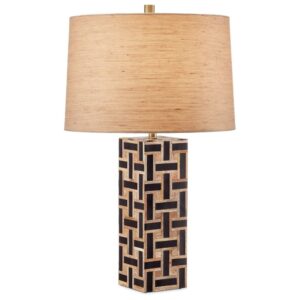
In 2004, Anish Kapoor installed a 110-ton polished steel sculpture in Chicago’s Millennium Park and the city immediately renamed it. The official title was Cloud Gate — Kapoor’s reference to the way the mirrored surface reflects and distorts the Chicago skyline and the clouds above it. The public immediately called it the Bean, and the Bean it has remained. The cloud gate sculpture is one of the most visited public artworks in the world, not because it was commissioned by a museum or promoted by an art world establishment, but because it does something that very few public artworks achieve: it creates an experience that is genuinely different every time you encounter it. The city changes, the light changes, the crowd changes, and the polished steel captures and distorts all of it simultaneously. The Aarna Black Table Lamp ($269–$409) in matte black creates the contemporary, precise formal presence that a room inspired by this kind of radical material honesty deserves.
This piece covers the design and concept behind the Cloud Gate, its fabrication (which required solving engineering problems that had never been encountered before), and what its principles of reflectivity, site-specificity, and public engagement mean for interior design. A room that takes Kapoor’s approach seriously uses surfaces and materials to create experience, not decoration. Browse our sculptural table lamps for the lamp designs that apply this principle.
Design and Fabrication of the Cloud Gate
The Cloud Gate’s surface is made from 168 polished stainless steel plates, seamlessly welded with no visible joins. This seamlessness was technically unprecedented at the scale required — 66 feet long, 33 feet tall — and required Kapoor to work with specialist fabricators in the UK who developed entirely new welding and polishing techniques for the project. The omphalos (the concave underside of the bean shape that creates a funhouse-mirror effect when visitors walk beneath it) was a particular engineering challenge: the curvature needed to be precise enough to create the distorted reflections without any flat spots or visible seams. The Aged Brass Metal Modern Accent Table Lamp ($339–$509) in slim aged brass with architectural precision demonstrates this same commitment to seamless resolution: the form is resolved from every angle without visible compromise.
Kapoor’s concept for the Cloud Gate came from his interest in liquid mercury — he wanted a sculpture that would appear to be liquid, that would move and change with the environment around it, that would reject the static, monumental quality of traditional public sculpture. The polished steel achieves this: from any position, the viewer sees a distorted, moving reflection that includes themselves. The sculpture makes the viewer part of the artwork every time. The Aged Gunmetal Fluted Table Lamp ($299–$449) in aged gunmetal has this same quality of surface precision: the dark metallic form reflects the room’s light and changes with the ambient conditions.
Cloud Gate Sculpture: Site-Specificity and the Chicago Skyline
The Cloud Gate works because it was designed for its specific site. The position in Millennium Park — with the city skyline on one side, the park’s open space on the other, and the sky above — means that the sculpture captures and distorts the entirety of what makes Chicago visually distinctive. No other city in the world could have this specific experience of this specific sculpture, which is the definition of site-specificity in public art. Move the Bean to New York or London and it becomes just an interesting mirrored object. In Chicago, it is the city looking at itself and seeing something unexpected. The Cobalt and Natural Brass Table Lamp ($269–$409) in cobalt glass and natural brass creates this same specificity in a room context: it belongs here, with this palette, in this light.
What Cloud Gate Teaches About Contemporary Interior Design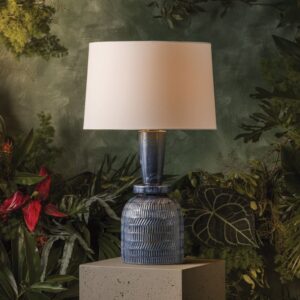
The lessons of the Cloud Gate for contemporary interior design are primarily about material and surface quality. Polished steel, brushed nickel, mirror, glass — materials that reflect and interact with light rather than absorbing it — create the quality of visual interest that Kapoor’s sculpture achieves at room scale. A room with one great mirrored surface, one glass object that catches the light, and one sculptural lamp that changes appearance as the ambient light changes has the same dynamic quality as a room with a great contemporary artwork. The Aarna Black Table Lamp ($269–$409) is the contemporary lamp for this approach: its matte black surface is the material opposite of the Bean’s mirror — but both are honest about what they are.
Browse our table lamps collection for the full range of contemporary lamp designs suited to a room that takes material honesty and formal precision seriously.
For the complete guide to famous sculptures from ancient Greece to contemporary public art, see our famous sculptures guide.
Frequently Asked Questions
What is the Cloud Gate sculpture?
The Cloud Gate is a large-scale public sculpture by British artist Anish Kapoor, permanently installed in Millennium Park in Chicago. It is officially titled Cloud Gate — a reference to the way its polished steel surface reflects and distorts the skyline and clouds above. The public calls it the Bean for its shape. It was installed in 2004, weighs approximately 110 tons, and is made from 168 seamlessly welded polished stainless steel plates.
Why is the Cloud Gate sculpture called the Bean?
The Cloud Gate is called the Bean because its elongated, curved shape resembles a kidney bean when seen from certain angles. The nickname was coined immediately after installation and has entirely displaced the official title in common usage — Anish Kapoor himself has noted that he dislikes the nickname but accepts it as an example of how public sculpture acquires its own life independent of the artist’s intentions.
Who designed the Cloud Gate sculpture?
The Cloud Gate was designed by Anish Kapoor, a British sculptor of Indian origin born in Bombay in 1954. Kapoor is known for works that investigate reflectivity, void, and the relationship between the artwork and its viewer. He won the Turner Prize in 1991 and has major public works in London (ArcelorMittal Orbit), New York (Sky Mirror), and Chicago (Cloud Gate). The Cloud Gate is his most widely recognized public work.
Can you walk inside the Cloud Gate sculpture?
Yes. The Cloud Gate has a concave underside called the omphalos, which creates a funhouse-mirror effect for visitors who walk beneath it. The distorted reflections of the sky, the city, and the viewers themselves in the omphalos are one of the most photographed experiences in Chicago. The sculpture is accessible from all sides and the underside 24 hours a day, as Millennium Park is an open public space.