

Elephant Sculpture: Symbolism, Materials, and the Complete Collector’s Guide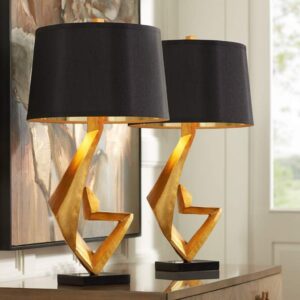
Elephant sculpture occupies a unique position in the animal sculpture world. The elephant is the largest land animal on Earth, and that scale is part of what makes elephant sculpture so compelling: even a small bronze elephant carries a sense of mass and gravity that most animal sculptures cannot match. The trunk-up elephant is one of the most universally recognized good luck symbols across multiple cultures — in Hindu tradition, it represents Ganesha; in Southeast Asian cultures, it represents wisdom and auspiciousness; in American home decor, it has become a symbol of strength and memory. Whatever the specific cultural context, elephant sculpture brings a particular quality to a room: considered, weighty, symbolic. Pair one with the right sculptural table lamp and the composition reads as a deliberate and personal design statement.
This guide covers every aspect of elephant sculpture selection for home use: the main materials and their implications, the cultural context of trunk position and its significance, how to choose the right scale, and how to display elephant sculpture across different room types and styles. Whether you are looking for a formal bronze statement piece or a small ceramic elephant for a bookshelf, the principles are the same: choose with intention, scale it correctly, and place it with a lamp that honors rather than competes with it. The Possini Euro Zeus Gold Leaf Modern Table Lamp ($319–$479) with its gold leaf statement base is precisely this kind of lamp: substantial enough to share a console with a major elephant sculpture without being overshadowed.
The Symbolism of Elephant Sculpture
The trunk position in elephant sculpture is the detail most buyers ask about. In most Southeast Asian and Indian cultural traditions, a trunk raised upward signals good luck, prosperity, and the welcoming of positive energy into a space. A trunk pointing downward or curled inward is associated with a more contemplative, inward-turning quality — still positive, but less extroverted in its symbolic energy. In most contemporary Western home decor contexts, the trunk position is a design consideration as much as a cultural one: a trunk raised upward creates an upward vertical line that adds energy to the composition; a trunk hanging naturally or coiled inward creates a more contained, resolved form. The Bronze Accent Table Lamp ($239–$359) in warm bronze accent creates the warm metallic continuity that either trunk position deserves.
Elephant sculpture pairs well with Ganesha and South Asian-inspired decorative objects in rooms with an eclectic or globally-sourced design vocabulary. A large bronze elephant on a carved wood console beside richly patterned textiles and brass candleholders creates the globally-sourced interior moment that many buyers are specifically looking for. The animal sculpture in this context is not just a decorative object — it is a piece of cultural narrative that gives the room a story and a geography. The Aged Brass and Ceramic Affogato Table Lamp ($289–$439) in aged brass and ceramic creates the warm, worldly quality that suits this global material palette.
Materials for Elephant Sculpture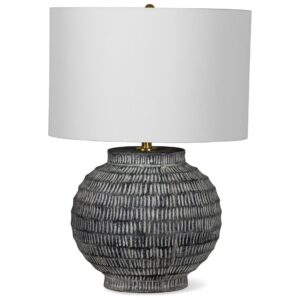
Bronze elephant sculpture is the most formal and most enduring choice. The weight of bronze — both actual and visual — suits the elephant subject better than any other casting material, because it reflects the animal’s own sense of mass and gravity. A small solid bronze elephant at 8 to 10 inches weighs significantly more than its size suggests, and that weight is part of the object’s quality. Cast bronze sculpture of elephants suits traditional, transitional, and formal rooms. The Aged Brass Metal Modern Accent Table Lamp ($339–$509) in aged brass metal with its architectural precision creates the formal metallic register that bronze elephant sculpture belongs in.
Carved wooden elephant sculpture is the warmest and most artisan-quality option. Hand-carved wooden elephants from artisan traditions — Indian rosewood carvings, African soapstone elephants, Southeast Asian teak figures — carry the visible trace of human making that gives them a quality no factory-produced piece can match. The grain of the wood is part of the sculptural form: a skilled carver orients the grain to work with the figure’s musculature and movement. Wooden elephant sculpture suits farmhouse, bohemian, globally-sourced, and organic modern rooms. The Adobe Brown Chisel Ceramic Table Lamp ($269–$409) in earthy adobe brown chisel shares the hand-worked, tactile quality of carved wood animal art.
Ceramic elephant sculpture ranges from delicate hand-painted porcelain figures in the European tradition to chunky earthenware forms from African and Latin American folk traditions. Ceramic suits smaller elephant sculptures — 4 to 12 inches — on bookshelves, coffee tables, and smaller console surfaces. It is the most color-versatile material for elephant sculpture, available in glazes that match any room palette. The Aged Brass Ceramic Meadow Ombre Table Lamp ($289–$439) in meadow ombre creates the same organic ceramic quality in lamp form — handcrafted material quality at a correct shelf scale.
How to Choose Elephant Sculpture for Your Home
The starting point for choosing an elephant sculpture is scale. Elephant sculpture is naturally large in its associations — the elephant is a large animal — and a piece that is too small looks like it is apologizing for itself. For a console table statement piece, choose an elephant sculpture of 14 to 20 inches in its largest dimension. For a bookshelf, 6 to 10 inches. For a coffee table, 5 to 8 inches in height with a wider horizontal presence. A sculpture stand can elevate a smaller piece to the correct visual height when the piece is worth displaying but lacks the scale for freestanding placement on a taller surface. The Aged Gunmetal Fluted Table Lamp ($299–$449) beside the elephant should be in the same visual weight class — a delicate lamp beside a large bronze elephant creates an imbalanced surface.
The second decision is the elephant’s posture and number. A single standing elephant in profile reads as formal and resolved. A pair of elephants facing each other creates a symmetrical composition that suits a mantelpiece or a symmetrical console arrangement. A family grouping — a large elephant with one or two smaller ones — is the most narrative and the most personal choice, often associated with family values and protection. The material and finish should be consistent across a grouping: two elephants in different materials on the same surface creates visual inconsistency. The Adorno Natural and Beige Table Lamp ($239–$359) in natural beige creates the quiet, warm backdrop that a family grouping of carved wood or ceramic elephants needs.
Displaying Elephant Sculpture in Different Rooms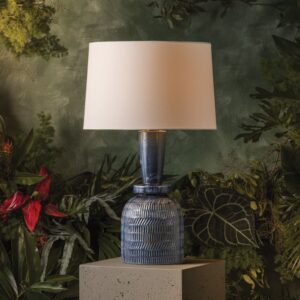
A living room console or side table is the primary display position for a statement elephant sculpture. The piece reads best from a standing distance of 8 to 15 feet, where the form’s overall silhouette and mass are legible without requiring the viewer to get close. Position the lamp at the same end as the wall behind the elephant to project light across the sculpture from the side — this creates the maximum shadow definition in the muscles and surface texture. The Aged Black Table Lamp ($269–$409) in aged black on a console creates the quiet, receding lamp presence that focuses attention on the elephant sculpture rather than competing with it.
An entry hall or foyer is an excellent position for a large elephant sculpture — the symbolic resonance of welcoming good luck and strength is particularly appropriate at the entry point of a home. Position the elephant facing into the room (or facing the front door, depending on the cultural tradition you are observing). A cast stone or large bronze elephant on a stone or marble console in an entry hall creates an immediate and lasting first impression. The Cobalt and Natural Brass Table Lamp ($269–$409) in cobalt glass with brass hardware creates the jewel-toned visual anchor that gives an entry hall elephant its dramatic context.
Browse our table lamps collection for sculptural lamps that complement elephant sculpture. See our complete
Frequently Asked Questions
What does an elephant sculpture with trunk up mean?
In most Southeast Asian and Hindu cultural traditions, an elephant with the trunk raised upward signals good luck, prosperity, and the welcoming of positive energy. In Ganesha iconography, the raised trunk is associated with blessing and auspiciousness. In contemporary Western home decor, the trunk position is as much a formal design consideration as a symbolic one: a raised trunk creates upward vertical energy in a composition, while a lowered or curled trunk creates a more contained, resolved form.
What material is best for elephant sculpture?
Bronze is the most traditional and enduring material, best suited to formal and transitional rooms. Its weight and surface detail quality match the elephant’s own sense of mass and gravity. Carved wood is the warmest choice for bohemian, farmhouse, and globally-sourced rooms. Ceramic suits smaller elephant sculptures for bookshelves and coffee tables. Cast stone is excellent for garden positions and develops an integrated patina over time.
How big should an elephant sculpture be?
For a console table statement piece, choose 14 to 20 inches in the largest dimension. For a bookshelf, 6 to 10 inches. For a coffee table vignette, 5 to 8 inches tall. A piece that is too small for its surface looks incidental rather than intentional. The lamp beside the elephant should be in a similar visual weight class — a delicate lamp next to a large bronze elephant creates an imbalanced surface composition.
Where is the best place to put an elephant sculpture?
Entry halls and foyers are culturally the most appropriate position — placing an elephant at the entry welcomes its symbolic qualities into the home from the first moment. Living room consoles are the best interior display position for formal statement pieces. Bookshelves work well for smaller ceramic or carved wood elephants. A family grouping of three elephants (varying sizes) is the most narrative arrangement and suits any surface wide enough to accommodate the composition.