

Plug In Lamp vs Hardwired Table Lamps: Pros, Cons, and Best Uses
Whether you need a plug in lamp that connects to a standard wall outlet or a hardwired fixture that integrates cleanly into your electrical system, the choice between these two formats shapes not just how your lamp looks but where you can put it, how easily you can move it, and what installation it requires. There is also a third option — cordless table lamps for living room, bedroom, and outdoor use — that has grown significantly with the advancement of rechargeable LED technology. At Exotic Decor USA, our table lamps collection is overwhelmingly plug-in format — the most practical and popular choice for residential decorating — and this guide explains exactly why, and when the alternatives make more sense.
Plug In Table Lamps: The Flexible Standard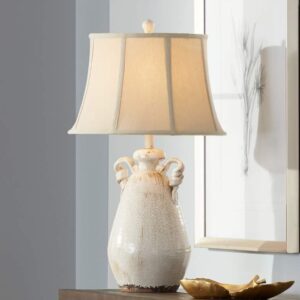
A plug in lamp draws power via a cord that plugs into a standard US 120V wall outlet (NEMA 5-15). The cord exits the lamp base of cordless table lamps for living room through a small hole or socket fitting, runs down the side of the base, and connects to a standard two or three-prong plug. Most residential table lamps are plug-in format — including every lamp in our table lamps collection — because the format requires no installation and can be moved, replaced, or repositioned at any time.
Advantages of Plug In Table Lamps
- No installation required: Place the lamp, plug it in, switch it on. No electrician, no permits, no wall work.
- Fully portable: Move the lamp from room to room, from home to home, or reposition it seasonally. A
- Renter-friendly: Plug in lamps require no modification to the property — ideal for renters who cannot alter electrical systems or drill into walls.
- Replaceable on demand: Switch styles, upgrade to a new lamp, or replace a damaged fixture without any electrical work. A
- Wide style availability: Virtually every artisan and designer table lamp is produced in plug-in format — it is the universal standard for residential lighting across all price points, from entry-level to
Disadvantages of Plug In Table Lamps
- Visible cord: The cord must run from the lamp to an outlet, and unless managed carefully, it is visible. Poor cord management is one of the most common complaints about plug in lamps.
- Outlet dependency: The lamp must be within reach of a wall outlet. In rooms where outlets are poorly positioned, this constrains placement options.
- Tripping hazard: A cord running across a floor — even briefly — is a safety risk. Cord covers and cable channels eliminate this, but add a management step.
CORD MANAGEMENT TIP: Route the cord behind furniture wherever possible. Use adhesive cord channels along skirting boards for floor-level runs. A lamp with a switch on the cord eliminates the need to reach the base socket to switch off.
Hardwired Table Lamps: The Clean Permanent Option
A hardwired table lamp connects directly to your home’s electrical wiring — no cord, no plug, no outlet required. The lamp’s internal wiring connects to a junction box in the wall or ceiling, and the fixture is permanently mounted. This format is more common in architectural or built-in lamp installations — a lamp integrated into a custom console alcove, a bedside lamp built into the headboard surround, or a pair of lamps wired into a sideboard structure.
Advantages of Hardwired Table Lamps
- No visible cord: The wiring is concealed entirely within the wall or furniture structure — the cleanest possible appearance.
- Placement freedom from outlets: A hardwired lamp can be placed anywhere the wiring can reach — not limited to existing outlet positions.
- Permanent integration: Hardwired lamps become part of the room’s architecture — particularly effective in high-end, custom-built interiors where a flush, integrated look is the design priority.
Disadvantages of Hardwired Table Lamps
- Requires professional installation: Hardwired fixtures must be installed by a licensed electrician in the US. This adds cost (typically $50–$200 per fixture for labor) and requires scheduling around an electrician’s availability.
- Not portable: A hardwired lamp cannot be moved without additional electrical work. It stays with the room — and typically with the property — when you leave.
- Not renter-friendly: Modifying a property’s electrical system requires landlord permission in most leases and may require reversing the work when you leave.
- Limited to existing wiring infrastructure: Adding a hardwired lamp in a new location may require running new wiring — a more significant and expensive undertaking.
Cordless Table Lamps: The Third Option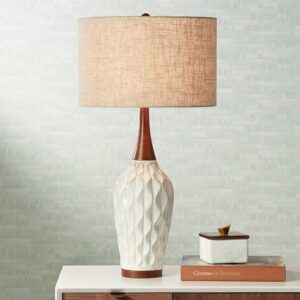
Cordless table lamps — also called rechargeable or battery-powered table lamps — have become a genuine third category in residential lighting. A built-in lithium battery (charged via USB-C or a proprietary dock) powers an LED module, eliminating both the plug-in cord and the need for any wiring. Most rechargeable models provide 8–20 hours of runtime per charge at mid-brightness settings.
Best Uses for Cordless Table Lamps
- Covered outdoor spaces: A patio dining table, a covered porch, or an alfresco entertaining area.
- Dining tables: A centerpiece lamp without any cord running across the table surface.
- Buffets and sideboards far from outlets :
- Flexibility in rental homes: No cord management, no outlet dependency, complete placement freedom.
Limitations of Cordless Table Lamps
Cordless lamps are not yet a full replacement for plug-in lamps in permanent residential use. Runtime is limited to 8–20 hours between charges; a standard plug in lamp runs indefinitely. Light output from cordless models is typically lower than that of plug-in equivalents. And the lumen output dims as the battery depletes, which affects consistency. For bedside reading or primary ambient use, a plug-in lamp is still the more reliable choice.
Plug In vs Hardwired vs Cordless: Side-by-Side
| FACTOR | PLUG-IN | HARDWIRED | CORDLESS |
| Installation | None — plug into wall outlet | Licensed electrician required | None — charge and place |
| Portability | Fully portable | Not portable — stays in the property | Fully portable |
| Cord visibility | Cord present — manage carefully | No cord — fully concealed | No cord — fully wireless |
| Renter-friendly | Yes | No | Yes |
| Style availability | Widest — virtually all lamps | Custom/built-in only | Growing but limited range |
| Runtime | Unlimited (while plugged in) | Unlimited (permanent wiring) | 8–20 hours per charge |
| Light output | Full LED range | Full LED range | Lower battery limited |
| Cost (beyond lamp price) | None | $50–$200 electrician labor | None |
| Best for | Most residential placements | Custom built-in interiors | Outdoor, dining, mobility |
Which Format Should You Choose?
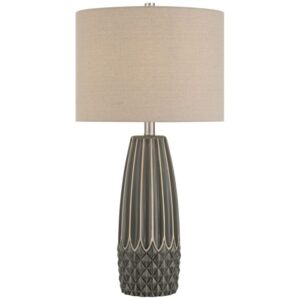
The right choice depends on four factors:
- Do you rent or own?
- Is there a nearby outlet?
- Do you want to move the lamp?
- Is this a permanent, high-end installation?
For most decorators — whether furnishing a rented apartment, a family home, or a vacation property — a plug in lamp is the right answer. It requires nothing beyond a nearby outlet, it gives you complete design freedom, and it can be changed the moment your taste evolves. Browse our full table lamps collection — every piece is plug-in format, ready to use the moment it arrives. For a matching format in a standing fixture, our floor lamps collection and wall lamps collection apply the same plug-in standard across the full lighting range.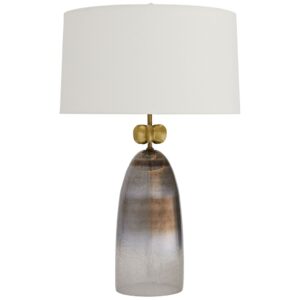
A strong example: the Adorno Natural and Beige Table Lamp ($239–$359) is a plug in lamp that looks as considered and permanent as any hardwired fixture — its natural organic ceramic base of ceramic table lamp and clean linen shade pair beautifully in bedrooms, living rooms, and entryways without a visible cord detracting from the design. Similarly, brass table lamp, the Aged Brass Metal Modern Accent Table Lamp ($339–$509) sits with enough architectural authority on a console table that the plug-in cord is genuinely forgotten once placed.
Frequently Asked Questions
What is a plug in table lamp?
A plug in lamp is a table lamp that draws power via a cord connected to a standard US 120V wall outlet (NEMA 5-15). The lamp requires no installation beyond plugging the cord into an available outlet. Virtually all residential table lamps sold in the US are plug-in format — including all lamps in the Exotic Decor USA collection. Plug-in lamps can be moved, repositioned, or replaced at any time without any electrical work.
Do I need an electrician to install a table lamp?
No standard plug-in table lamps require installation or an electrician. You place the lamp on a surface and plug it into a wall outlet. The only scenario requiring an electrician is a hardwired table lamp fixture — one that connects directly to your home’s electrical wiring with no plug. Hardwired installations are rare in residential table lamp use; they are typically found in custom-built-in furniture or architectural lighting projects.
Are cordless table lamps suitable for everyday use?
Cordless rechargeable luxury table lamps are suitable for accent and ambient use — covered outdoor spaces with outdoor table lamp, dining tables, buffet table lamps, far from outlets, and temporary placements where cord management is impractical. For permanent bedside reading or primary room ambient light, a standard plug-in lamp is still more reliable — it provides unlimited runtime, consistent brightness, and typically higher lumen output than cordless equivalents. Use cordless lamps where their portability is the specific advantage, not as a general replacement for plug-in lamps.
How do I manage the cord on a plug in table lamp?
Route the cord behind furniture wherever possible — along the back of the nightstand, behind the sofa leg, along the baseboard. Use adhesive cord channels or raceway covers for floor-level cord runs. For a console table or sideboard lamp, a cord drop through a cable management hole in the furniture keeps the surface clean. Avoid running cords under rugs — the friction can damage the insulation over time and create a fire risk. A lamp with a switch on the cord eliminates the need to reach the socket, which reduces visible cord handling.